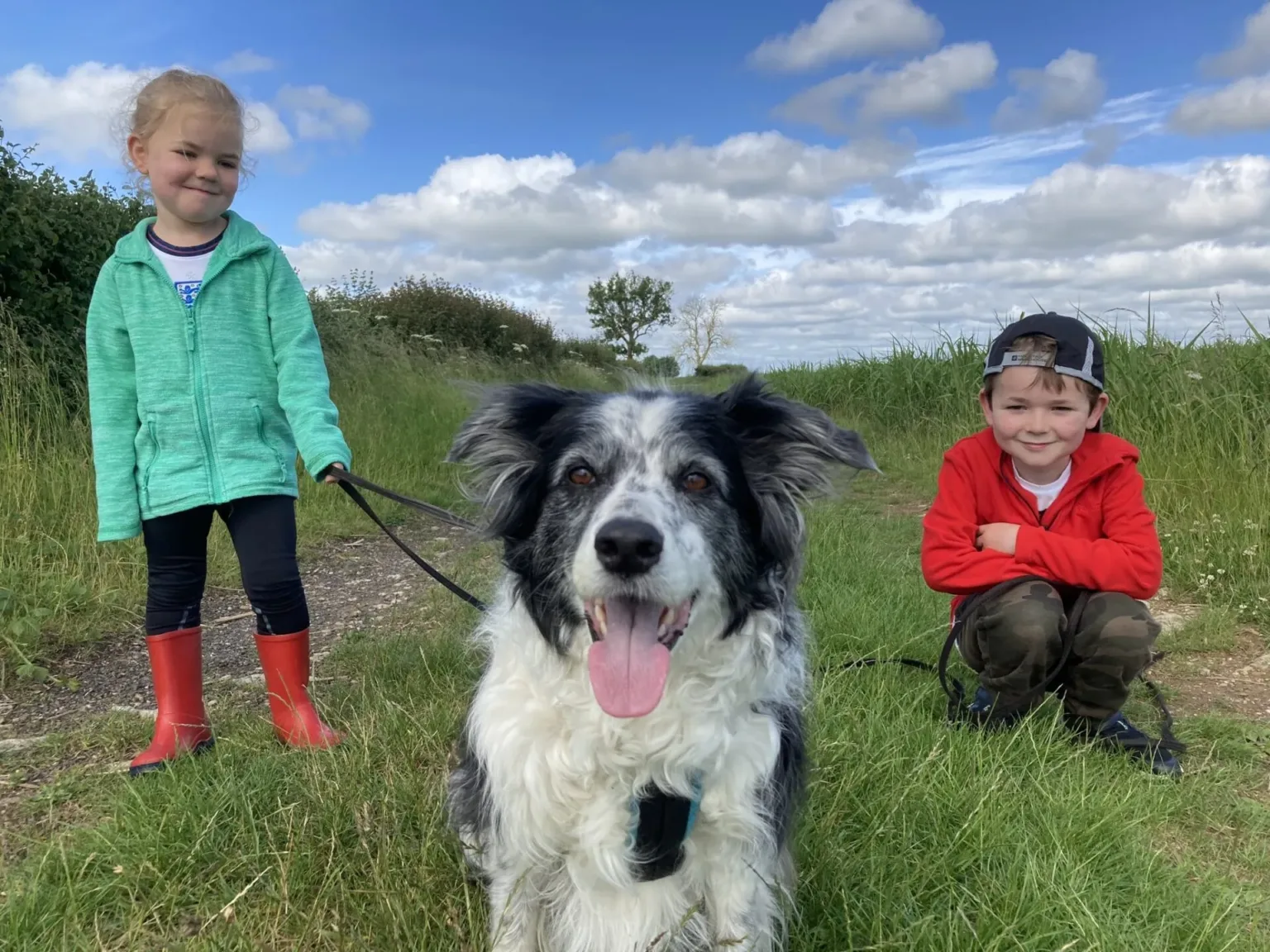
One in three children pestering for pets this summer, say animal welfare charities
New research reveals more than one in three children are pestering parents for a pet this summer - prompting calls from charities for better education around an animal’s long-term needs.
With the school summer holidays in full swing, families across the UK may be facing pressure from youngsters to welcome a new pet into the home. But a partnership of animal welfare charities is urging parents to think twice, especially if their children are solely driving the decision.
A survey of more than 1,000 children aged seven to 11 found that 36% said they pester their parents ‘a lot’ for a pet and 29% said they asked sometimes.
Children in more deprived parts of the UK are the most likely to pester for a pet (73%), while those in urban areas (68%) are also more likely to badger parents compared to 48% in rural communities. Regionally, children in London and the South (70%) are more inclined to want a pet compared to 61% of youngsters in the Midlands and East of England.
The poll was commissioned by eight leading animal welfare organisations working together under the umbrella of the Pet Education Partnership (PEP), including Woodgreen Pets Charity, Blue Cross, Cats Protection, Dogs Trust, PDSA, RSPCA, USPCA and SSPCA.
The group is urging families to pause this summer holiday and consider the longer-term responsibilities of owning a pet.
Dr Fiona Cooke, associate director of policy and impact at Woodgreen Pets Charity, said: “Summer is a common time for families to bring a new pet home because routines are more flexible. These figures highlight just how many children long to have an animal companion. While having a pet can be a great addition to a family, it’s vital to consider the commitment involved. We urge parents to do their research and ensure they have the time, money and resources to care for a pet for the rest of their life.”
One of the biggest concerns for the charities is the misconception that rabbits are easy pets for children.
“Sadly, rabbits are one of the most misunderstood pets we see,” said Dr Cooke. “We’re keen to challenge the perception of rabbits as an easy starter pet, as they have specialist needs. People often think rabbits are low maintenance and easier to care for than a dog or cat. However, they have complex needs, require lots of space, a carefully managed diet and must have the company of at least one other rabbit.”
While 70% of children said they cuddle their pet to show affection, the charities highlight that this may indicate a limited understanding of animal behaviour and how to respect their boundaries, showing why it’s so important to teach children appropriate ways to interact with animals.
The survey also found that children’s reasons for wanting pets vary depending on where they live. More than half of youngsters in urban locations are more likely to want a pet because they ‘looked fun, cool or cute’ (52%), or because they wanted ‘a friend to play with’ (51%).
Lauren Bennett, RSPCA pet welfare expert, said: “While appearance and trends often drive pet acquisition, selecting an animal based solely on looks can sadly lead to abandonment and relinquishment. This is because the pet has been selected due to their appearance rather than the potential pet owner considering their health and temperament and how they might fit into their lifestyle. Considering whether you have the time, money, resources, and whether you can provide for the individual animal’s needs is key in ensuring a good match and leading to long, happy and healthy lives for pets.
“For anyone considering a pet this summer, thorough research is strongly encouraged. We always recommend adoption over purchasing pets to give an animal a second chance at happiness and for those who do have a particular kind of breed in mind, despite common misconceptions, there are many popular breeds in rescue shelters waiting for a loving home.”
Positively, the vast majority of children who already own a pet are involved in looking after them, with 98% sharing that they do some sort of interaction or caring for their companions. More than three quarters of children (77%) play with their pet and 67% give them food and water. However, only 31% of children help with cleaning up, such as picking up poo or clearing out litter trays.
Dr Cooke added: “It’s great for children to be involved in caring for their pets, but they should never be the sole carer. Sadly, interest can fade when the novelty wears off. This research will help shape future education to empower children to learn what pets really need to be happy and healthy.”
For more information on the work of PEP visit: peteducationpartnership.org