Pets can bring a lot of joy, but they’re also a commitment. It’s very important to think about the impact your home and family can have on their development.
While kittens still live with their mother, they learn lots of new things from her. Then they eventually begin to develop their own personalities. Their natural instincts kick in and they start investigating and honing these skills.
Socialisation and habituation
You might often see and hear the words ‘socialisation’ and ‘habituation’ – but what do they really mean? These terms are used interchangeably, but they’re actually two different things.
Socialisation
Socialisation is a process about a cat’s development in social skills, interactions and attachment to humans or other animals. It allows the cat to learn social etiquette, read body language and engage in correct and acceptable social interactions.
Young kittens have periods in their development where they’re very impressionable. So starting socialisation at an early age has long-term effects, and it can really help prevent possible future behavioural problems.
Positive human interaction is vital for a kitten’s development, helping them grow into a confident adult cat. It’s important these interactions are introduced gradually and gently to make sure the kitten feels comfortable.
Cats and kittens should have the choice of being fussed and spending time with their owners. Remember, not all interaction has to be hands-on. For example, simply sitting and reading out loud to your cat will help them get used to your voice.
It’s important to remember that each cat’s personality will be different, even with the same level of socialisation. Some cats will like interaction more than others, and we should never force it on them. Also, as cats grow up, their relationship with other cats may change – even when they’ve been around them from a young age.
Using toys to interact with your cat can help you build a stronger bond with them. Playing is one of the main things you’ll see your cat or kitten doing. It’s their way of entertaining themselves. It’s also a way for them to learn new things and practise their natural hunting instincts.
Habituation
Habituation is a process that helps a cat become accustomed to certain things – sounds, smells, sights, traffic, objects, the hoover and so on. It can be temporary, so cat owners need to be consistent in exposing their cat to certain things.
For example, if a cat hasn’t been out for a while, perhaps due to a long illness, they’ll need to be reintroduced to the garden. This should happen slowly, with the cat being out in short bursts until they get used to it again.
As with socialisation, you should never force your cat to be around anything causing them stress. Giving your cat the choice to hide if they want to is always best.
Hunting instincts
Every cat has a desire to hunt – it’s one of their natural instincts. No cat is the same though. The natural drive to hunt will vary from cat to cat, and some are better than others! When you see an adult cat playing and hunting, they’ll have been practicing it since they were kittens. So, teaching appropriate play for a kitten is critical to prevent unwanted behaviours as they grow up.
Appropriate play
It’s tempting to play with your kitten, getting them to chase your hands or your feet under the duvet. But imagine playing this with them when they’re an adult cat. That game will hurt a lot more!
By playing with your kitten in this way and encouraging them to chase your movement, you’re teaching them it’s okay. They’ll think it’s fine to carry on behaving and playing in this way. If you then expect them to stop as they grow up, you risk confusing them, and this can be quite unfair.
So, it’s best to play with your kitten in the right way from the early days, so they understand what’s appropriate and what’s not. Read on for a few pointers on how to play with your kitten or cat.
Using feather and wand toys
When playing with your cat or kitten, remember the following stages of play: stalk, chase, catch and kill. We recommend feather and wand toys – you’ll be able to see the hunting instincts kick in when they play with them.
By wiggling a feather or wand, they’ll be able to catch the end and pounce on it. Make sure they miss it on occasion though – no cat would catch their prey perfectly every time!
Ever seen a kitten grab onto a toy, hold it in their front paws and kick it with their back paws? This is another crucial part of a kitten’s play. It’s where they get all their frustration and energy out.
Providing toys for them to do this will help your cat feel satisfied and calm after a great playing session. It will also help them exhibit their behaviours in a natural way and teach them appropriate play as they grow up.
Avoid laser pointer pens
Many cats love chasing lights and reflections. But because they can’t physically catch them, it can leave them frustrated – which can then cause behavioural problems. For example, attacking owners for no obvious reason.
Using laser pointers can also encourage light chasing in cats. Although this doesn’t seem to be much of an issue during play sessions, other light reflections might be around at other times. This can encourage the cat to chase lights at inappropriate times – leaving destruction in their path.
Making new environments less scary
Coming into a new environment can be pretty scary for cats. There are lots of new things, including noises and smells, they may never have experienced before. Make sure you provide a safe and quiet area for your cat to relax in an unknown place. This will help them adapt to their new surroundings much quicker.
There is no right or wrong way for a cat to react in these situations. Some will be bold, want to know what’s going on and explore their surroundings. Others might hide and take it slow. Either way is okay, and you should allow your cat to do what’s right for them.
Leaving the radio on quietly will help your cat get used to voices. It may also come in handy as a useful distraction from everyday noises in the home.
Kittens and other pets
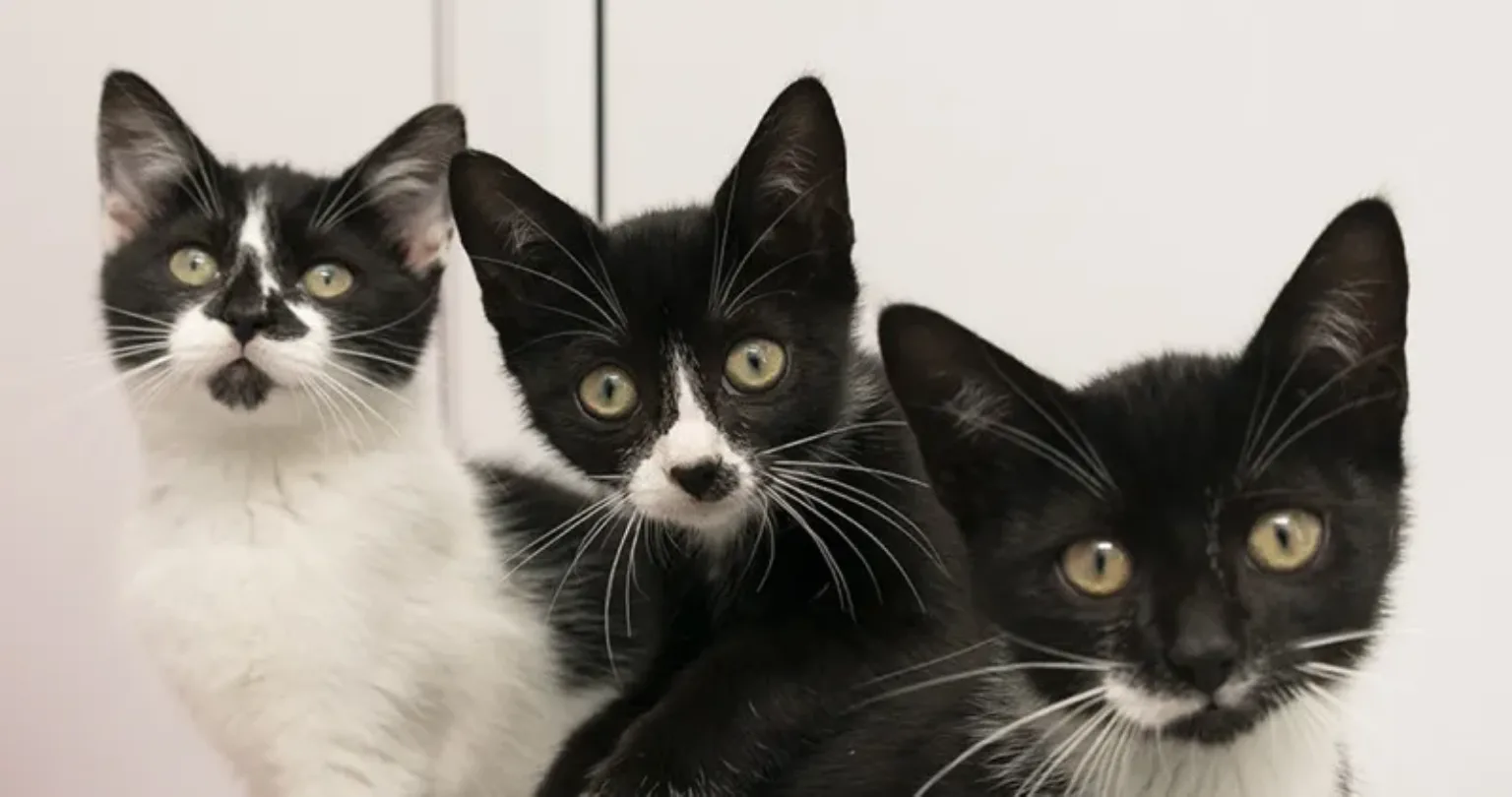
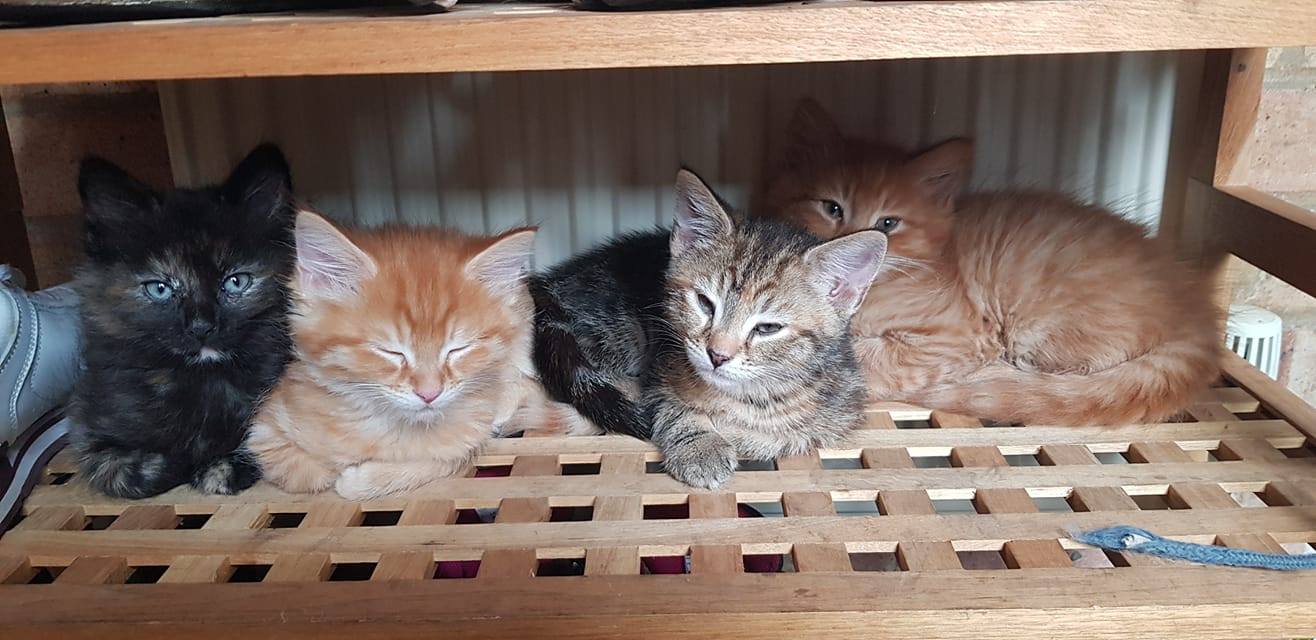
Getting more than one kitten can seem like a great idea – as they’ll have companionship and a play mate. Although this is true, and it can be a pleasure to watch them grow up together, their relationship may change when they mature. They could become distant and want more space on their own, away from each other.
For this reason, we recommend allowing each cat to have their own supplies – like feeding stations, sleeping areas and toileting areas. They may still use the same space, but giving them multiple resources gives them choice. It also helps to reduce any competition or threat between them.
Read more about what to think about before you get more than one cat.
For any other pets already in the home when the kitten arrives, it’s best to take the introductions very slowly. It can be a daunting experience for both pets, so rushing this could easily cause stress.
Find more information about how to handle introductions in our article on how to introduce your cat to a new cat.