
ADVICE
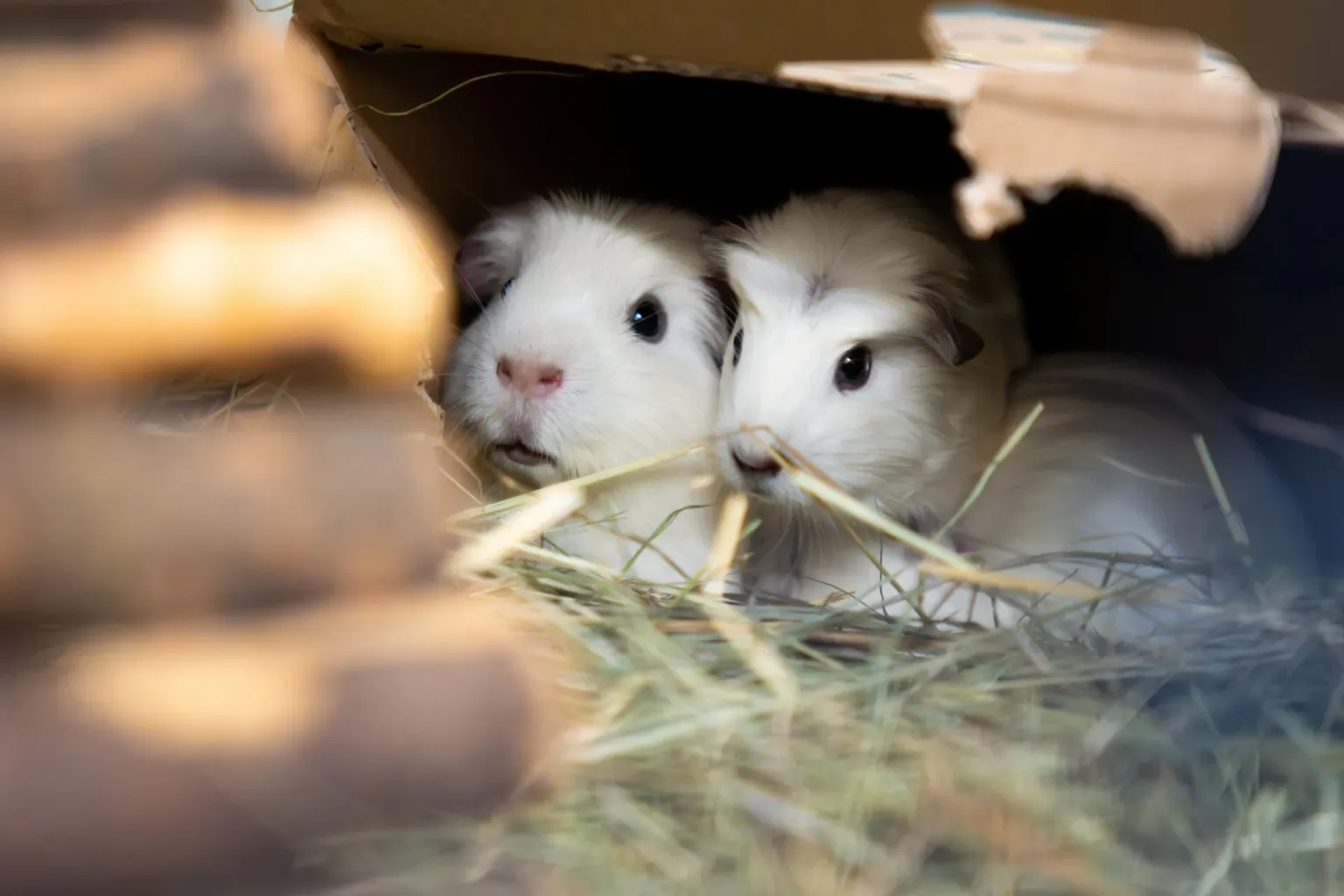
From Bonfire Night to New Year celebrations, every year thousands of small pets suffer as a result of fireworks being let off. Find out how to recognise fear in your pet and keep them safe and happy.
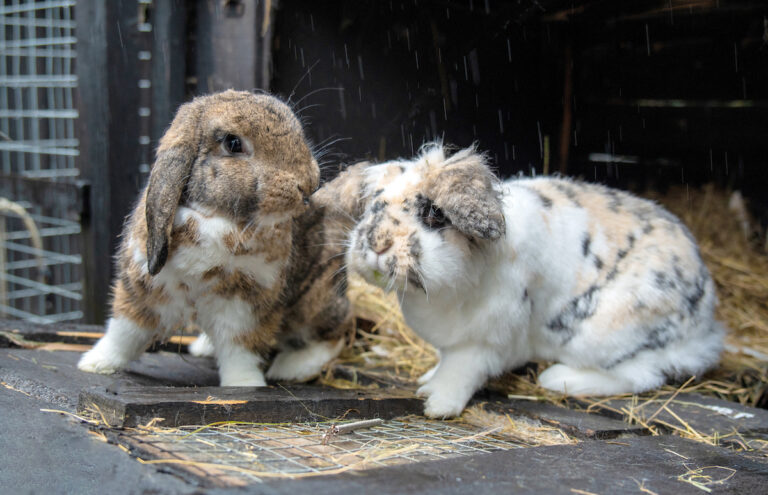
While fireworks can be exciting for us, for small pets like rabbits, guinea pigs and rodents they can be frightening. Although fireworks themselves might be out of our control, learning to recognise signs of stress and making some changes to your routine can help you to keep your pet safe around fireworks season and minimise the anxiety they experience.
All pets experience and show fear differently but there are some common signs that your small pet may be experiencing fear or stress due to fireworks. We’ve gathered our top tips to help you spot the signs and know what to do to help your pet.

Although your pet can’t tell you if they’re feeling anxious, if they find fireworks stressful, you may notice some changes to their usual behaviour and temperament. Your pet’s body language is a good indicator of how they’re feeling and some common signs of stress to look out for include:
Frightened rabbits may:
Frightened guinea pigs may:
Frightened rodents may:
If your small pet lives outdoors, it may be tempting to move them inside when firework displays are on. Although some pets may benefit from moving into a shed or garage overnight to protect them from the sight and sounds of fireworks, many pets would find this distressing.
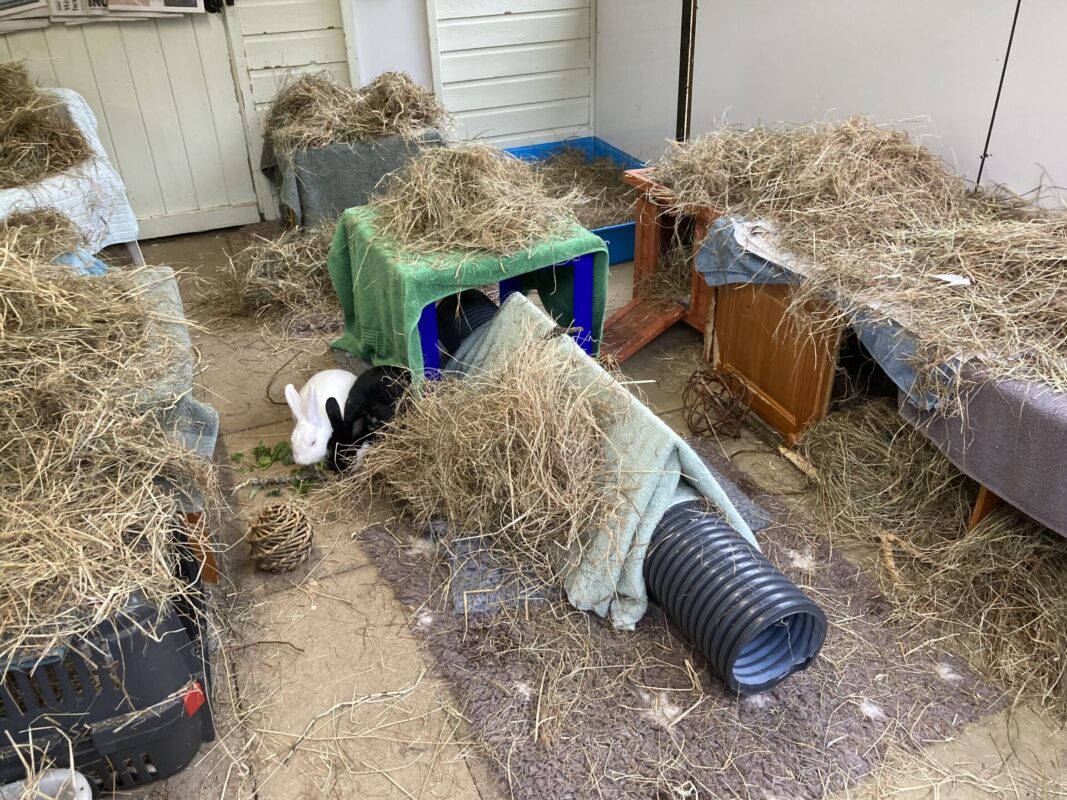
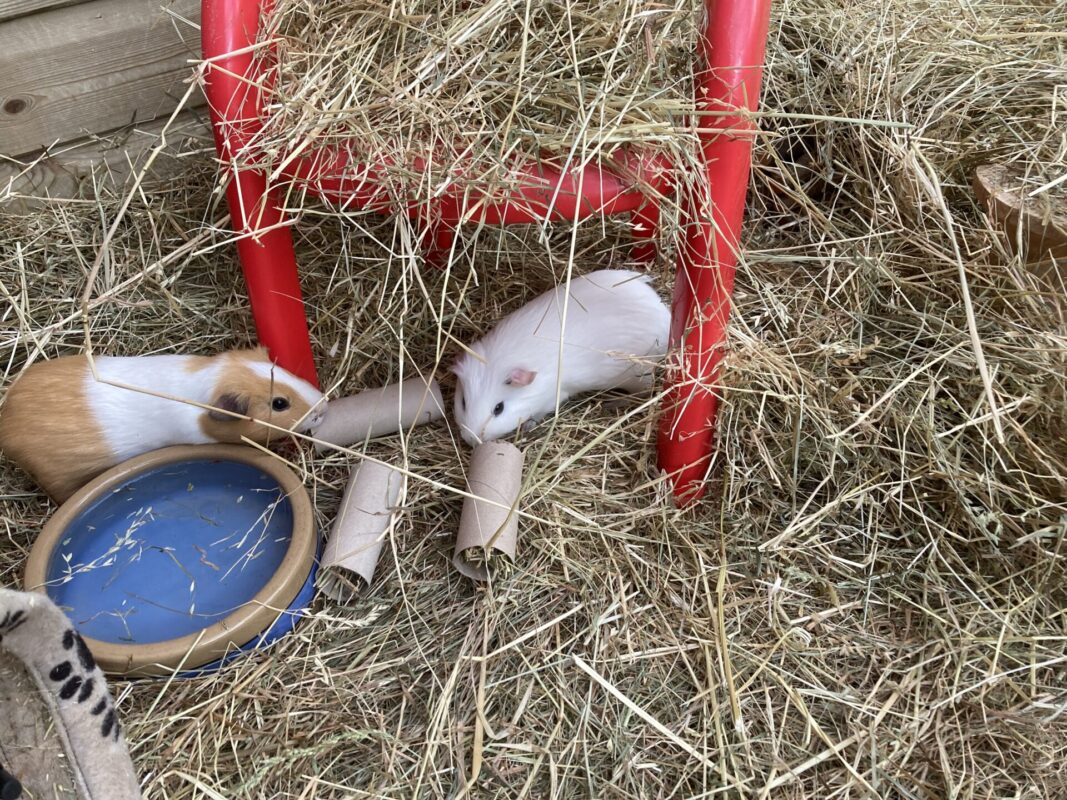
Moving your small pets from their familiar environment could cause them additional stress, so it may be better to leave them in their normal space. However you can help your pet by adding additional hiding spots and bedding to their accommodation.
Boxes, carriers, small chairs and tables can be added to your pet’s home and lightly covered with blankets, towels or bedding to give your small pet a choice of spots to retreat to when fireworks are being let off.
You can also find a variety of advice for dogs, cats, and small pets in our Pet Advice section. If you have a question about your pet or would like any support, contact our team.

Although growing your own food and foraging for your pet rabbits and guinea pigs was once a traditional way of feeding them, it slowly became a lost skill as pets became more commercialised.
Read more about 'Foraging for guinea pigs'
Providing your guinea pigs with an environment that keeps them active and mentally stimulated will help them stay healthy and happy.
Read more about 'How to make your guinea pigs feel at home'