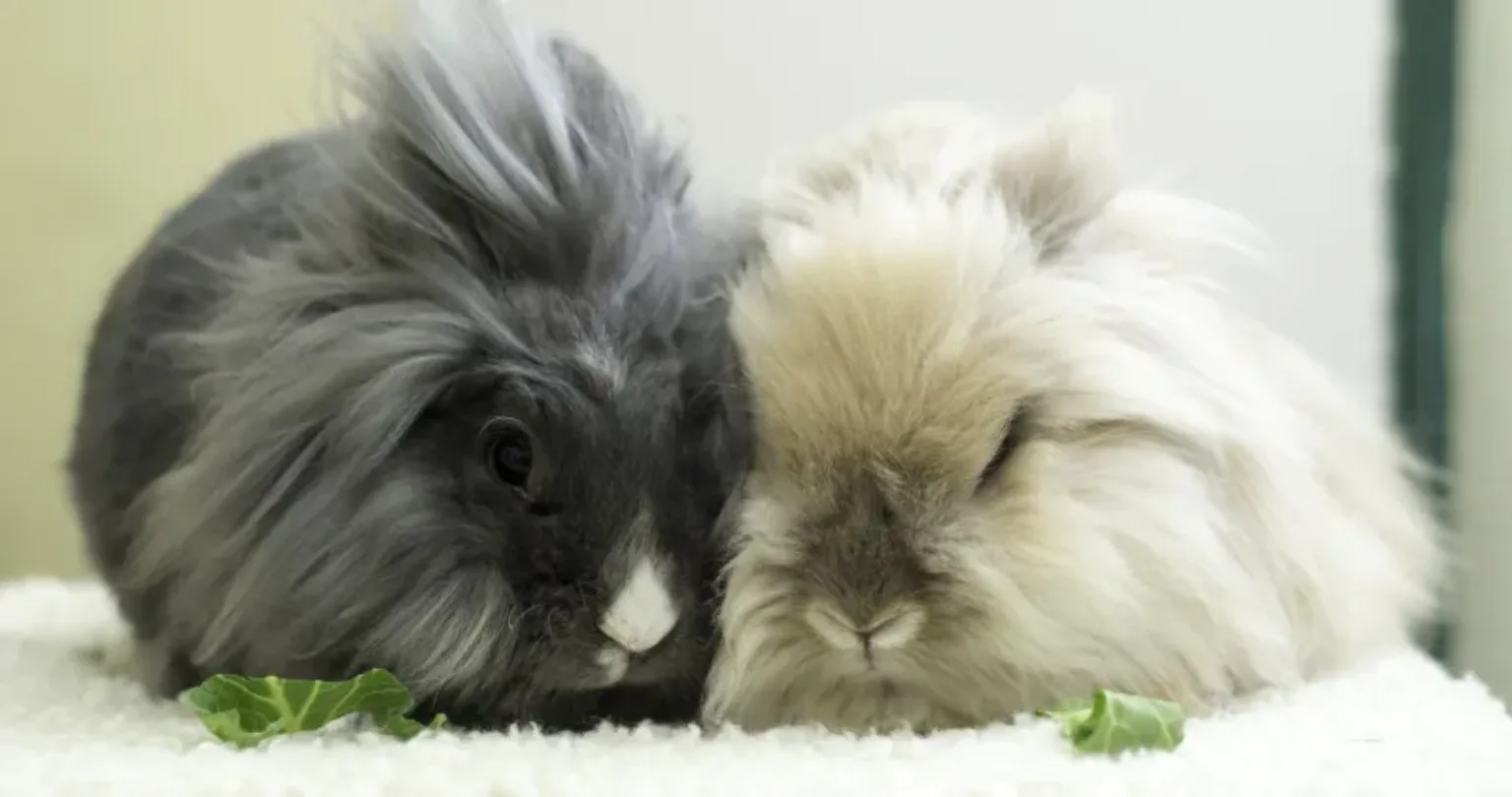
A grey and white small pet

How to care for small pets in the hot weather

During the sizzling summer months, it’s important to think about our small pets. Rabbits, guinea pigs and chickens can really struggle in hot weather, so we’ve put together a few tips on how to keep them cool and safe.

During hot weather, it’s important to think about your small pets. Both outdoor and indoor pets can really struggle, so we’ve put together some top tips on keeping them cool and safe. 

By making sure your pet has a cool environment, you’ll help them feel comfortable and happy. Not only that, it will also protect them from potential heat stroke and other heat related dangers.

Whichever pet you’re keeping cool this summer, jump straight to their section using the menu below:

Rabbits and guinea pigs

Chickens

Rats and degus

Mice, hamsters, and gerbils

Chinchillas

Rabbits and guinea pigs

If you can, it’s worth moving outdoor enclosures, including hutches and runs, to a shaded part of your garden. Create as much extra shade as you can throughout the day – a garden parasol, gazebo, or white sheet over the enclosure all work well. Just remember the sun moves throughout the day, so keep an eye on your pets to make sure they don’t end up exposed later on, and make sure the enclosure has plenty of airflow to provide a nice breeze.

If your rabbits or guinea pigs are housed in a converted shed, large hutch or indoor room, it might be worth putting on a rotating fan, provided it’s safe to do so – just make sure any wires are tucked away or covered with cable pipe protectors so they can’t be nibbled through.

Replenish hutches with fresh, fluffy piles of hay so your rabbits and guinea pigs can burrow inside to keep cool, and cover any tunnels so they don’t get too hot. Keep your pets hydrated throughout the day with shallow bowls of fresh water and forage to munch on, and place bottles of frozen water or cold, damp tea towels around the enclosure – your pets will enjoy lying beside them for some much-needed relief.

Extra care for rabbits

Fill a couple of large trays with soil so your rabbits can dig, stretch out and cool off – a large card box with a dig tray inside also makes a good shaded burrow. Summer brings an increase in flies, so keep the enclosure clean and remove poo regularly to help prevent flystrike, a condition caused by flies laying eggs on your rabbit.

For long-haired breeds, keep their fur clipped short and move them inside to a cool room during the hottest parts of the day. It’s also worth placing a couple of large ceramic tiles in the enclosure, which stay cool in the heat and give your rabbits somewhere to lie on or near if they want to.

Signs of heatstroke in rabbits:

  • Panting/open mouth breathing
  • Red ears that feel hot to the touch
  • Blood coming from the nose and mouth
  • Salivating
  • Lethargy
  • Seizures
  • Weakness
  • Confusion
  • Unconsciousness

If you suspect your rabbit has heatstroke, call a rabbit-friendly vet immediately. In the meantime, move them into a cool room or shaded area, and do not place them in cold water.
Extra care for guinea pigs

Avoid plastic igloo-style hiding spaces, as these trap heat. Instead, go for large, open-ended hiding spaces such as wooden bendy bridges or houses with multiple entrances that let hot air move through. A ceramic tile or two in the enclosure also gives your guinea pigs somewhere cool to lie on or next to.

Signs of heatstroke in guinea pigs:

  • Fast breathing
  • Drooling
  • Confusion
  • Lethargy
  • Loss of balance
  • Loss of appetite
  • Seizures
  • Unconsciousness

If you suspect your guinea pig has heatstroke, call a guinea pig-friendly vet immediately. In the meantime, move them into a cool room or shaded area, and do not place them in cold water.

Chickens

Provide shade over your chickens’ enclosure by putting up a large gazebo or parasol, and if you can, move the coop and run to a cooler part of the garden. Large chickens, fluffy breeds and ex-commercial hens can really suffer in extreme heat, so keep a close eye on them and offer as much protection as possible.

Make sure there are plenty of shallow water trays and bowls around the enclosure. Chickens like dust bathing to cool themselves down, so give them plenty of room in shaded areas to do this, and add extra shade by placing plant pots and shrubs around the coop and run to encourage a breeze. Pick up poo as often as you can to keep flies at bay, and let your chickens out of their coop as early as possible while it’s still cool, to help prevent them from overheating.

Signs of heatstroke in chickens:

  • Open mouth breathing
  • Wings and legs outstretched
  • Reduced appetite and egg production
  • Lethargy
  • Staggering/falling over

As well as being signs of heatstroke, these symptoms can also indicate other health issues. If you suspect your chicken has heatstroke, call a poultry-friendly vet immediately for advice.

Rats and degus

If possible, place the cage in the coolest room in the house, and keep windows and curtains shut when the sun is on that part of the house, opening them once it has moved round – blackout curtains can help block some of the heat coming through the windows. Keep the door to the room open so hot air doesn’t become trapped and make the room hotter.

If your pets have a cage with a metal base or metal levels, clear some of their bedding off so they can lie straight on the cool metal. Hanging damp towels in front of open windows or fans helps cool the air in the room too, though make sure any fan isn’t pointed directly at the cage so your rodents don’t get too cold. Laying damp towels over part of the cage can also cool the air – just be prepared for them to get nibbled! A ceramic, marble or granite tile in the cage gives them a cool place to sit, and popping it in the fridge beforehand will cool it down even further.

For rats specifically, try placing some peas in a shallow dish of cool water for them to fish out.

Signs of heatstroke in rats:

  • Pink tail, ears and feet
  • Flattening themselves out (pancaking)
  • Lack of appetite
  • Lethargy
  • Mouth breathing
  • Drooling

Signs of heatstroke in degus:

  • Lethargy (not moving around as normal, or appearing limp and listless)
  • Lack of appetite
  • Unconsciousness

If you suspect your pet has heatstroke, call a rodent-friendly vet immediately.

Mice, hamsters, and gerbils

If possible, place the cage in the coolest room in the house, and keep windows and curtains shut when the sun is on that part of the house, opening them once it has moved round – blackout curtains can help block some of the heat coming through the windows. Keep the door to the room open so hot air doesn’t become trapped and make the room hotter.

Hanging damp towels in front of open windows or fans helps cool the air in the room, though make sure the fan isn’t pointed directly at the cage so your rodents don’t get too cold. Laying damp towels over part of the cage can also cool the air – just be prepared for them to get nibbled! Place a ceramic, marble or granite tile in the cage, or lay down a ceramic mug, to give them a cool place to sit on or next to; popping it in the fridge beforehand will cool it down further. A bottle of frozen water wrapped in a towel, laid against the outside base of the cage, can also help – this works especially well for mice and hamsters.

Signs of heatstroke in mice:

  • Lethargy
  • Pink tail, ears and feet
  • Unconsciousness

Signs of heatstroke in hamsters:

  • Drooling/dribbling
  • Lethargy
  • Slow, sluggish movements
  • Unconsciousness

Signs of heatstroke in gerbils:

  • Panting
  • Lethargy
  • Wetness around their mouth
  • Unconsciousness

If you suspect your pet has heatstroke, call a rodent-friendly vet immediately.

Chinchillas

With their dense fur, chinchillas are very sensitive to heat and do not cope well with high temperatures. During hot weather, they can quickly overheat, which can be fatal as it can lead to heat stress and, in turn, gut stasis.

If possible, place the cage in the coolest room in the house, aiming to keep the temperature around 10–15°C. An air conditioning system is the best option for keeping the room at a consistent temperature, though it can be expensive to buy and run – just make sure your chinchilla isn’t housed directly in the line of the cool air. Keep windows and curtains shut when the sun is on that part of the house, opening them once it has moved round, and keep the door to the room open so hot air doesn’t become trapped.

Place a ceramic, marble or granite tile in the enclosure to give your chinchilla a cool place to sit on or next to, cooling it in the fridge beforehand if you can. If the cage has a metal base or metal levels, clear some bedding off so they can lie straight on the cool metal, and attach an additional water bottle to the cage so they always have access to plenty of drinking water.

Signs of heatstroke in chinchillas:

  • Restlessness
  • Drooling
  • Lethargy (not moving around as normal, or appearing limp and listless)
  • Rapid breathing
  • Not interested in food
  • Seizures

If you notice any of these signs, call a chinchilla-friendly vet immediately.


We hope these tips will help keep your furry and feathered friends cool and happy! For any other advice, visit our website or give us a call, we’re here for both pets and their people.

How helpful was this?

Thanks for your rating

Rated this article 3 stars or less? Tell us what we could do to make it more helpful.

4.7
(66)
Let's do it