Hyperthyroidism is one of the most common conditions in older cats, caused by the thyroid gland producing too much of a hormone.
Hyperthyroidism in cats: symptoms and what to do
Three things you should know
Signs include weight loss (despite eating more), restlessness, excessive meowing, increased thirst, and a dull or greasy coat.
Many cats respond well to treatments that help to manage hyperthyroidism, however other underlying or accompanying conditions can make treatment less successful.
What is hyperthyroidism in cats?
The thyroid glands are located in your cat’s neck, one on each side of the windpipe. Cat hyperthyroidism — also known as an overactive thyroid — means that these glands are producing far more hormones than the body needs. In more than 95% of cases the cause is a benign (non-cancerous) growth, and it is most often seen in middle-aged and older cats.
Signs of hyperthyroidism in cats
Symptoms develop gradually and can be easy to mistake for normal ageing. Look out for:
- Weight loss, despite eating more than usual
- Restlessness, hyperactivity, or excessive meowing
- A dull, matted, or greasy coat
- Vomiting or diarrhea
- A faster heart rate than normal
- And less commonly, increased thirst and more frequent urination
How is hyperthyroidism diagnosed?
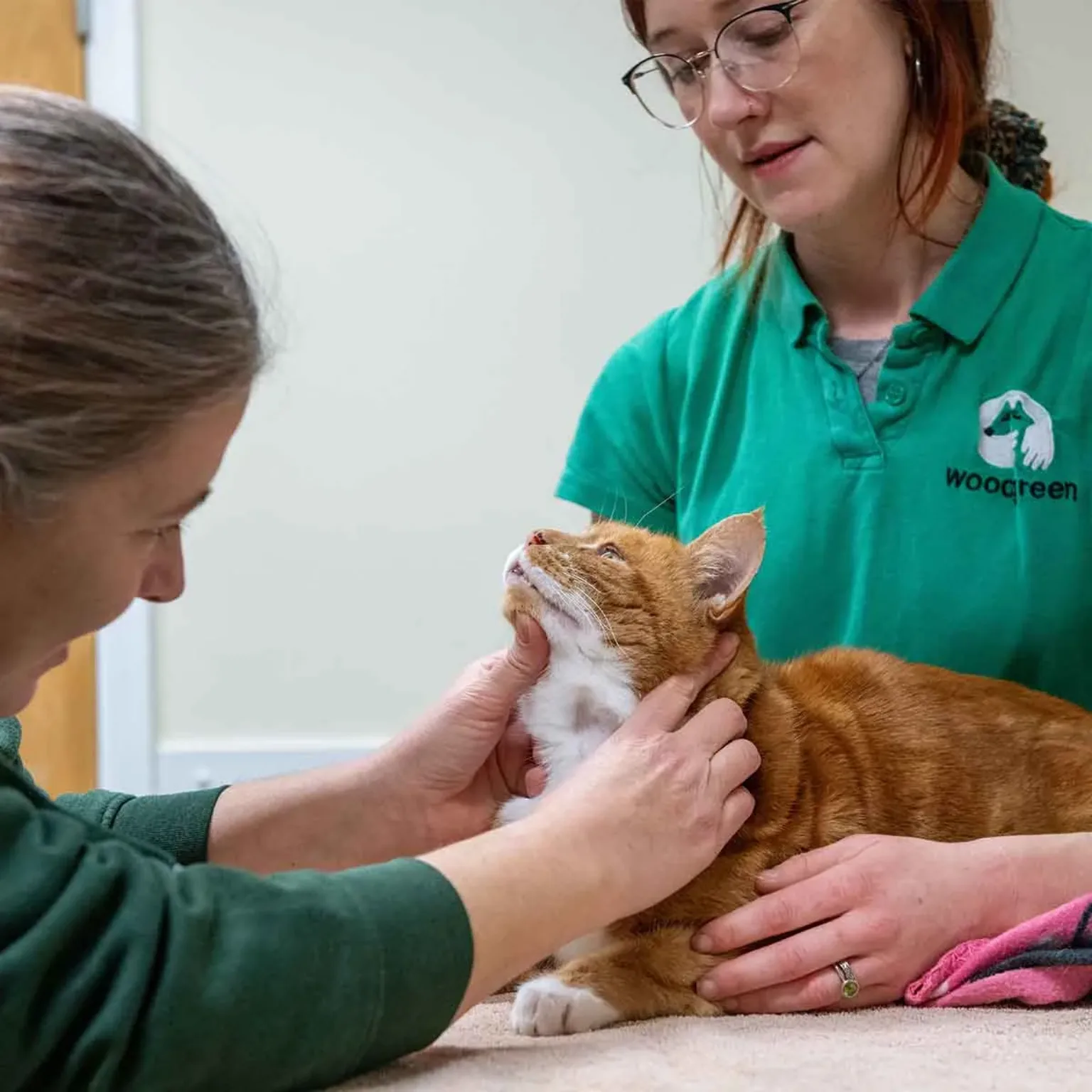
Your vet will examine your cat and feel along their neck for any swelling of the thyroid. A blood test measuring thyroid hormone levels usually confirms the diagnosis. Your vet may also check kidney function and blood pressure, as hyperthyroidism can sometimes mask, or occur alongside, other conditions.
Can cats live with hyperthyroidism?
With treatment, yes – many cats manage to live with hyperthyroidism. Left untreated, hyperthyroidism can lead to serious heart disease, high blood pressure, kidney and eye damage, and eventually death. So, it’s important to seek treatment as early as possible.
How is hyperthyroidism treated in cats?
Medication
Daily anti-thyroid medication – which is available as tablets, liquid, or a gel applied to the cat’s ear – is the most common treatment. In the UK this is usually methimazole or carbimazole. These medications manage hyperthyroidism rather than curing it, so will have to be given for the rest of your cat’s life alongside regular blood tests.
Diet
A prescription low-iodine diet limits the iodine available to the thyroid, which in turn helps to slow hormone production. This diet can be an option when other treatments are not suitable, but your cat must eat this diet exclusively for it to work.
Surgery
Removing the affected thyroid gland (thyroidectomy) can provide a lasting cure. There is a risk of damaging the nearby parathyroid glands (which help to regulate calcium), so your vet will discuss the benefits and risks of this procedure with you beforehand.
Radioactive iodine therapy
A single dose of radioactive iodine destroys the overactive thyroid tissue. It is curative in most cases and widely considered the most effective option by specialists. However, this treatment is very expensive and requires your cat to stay at a specialist referral centre for three weeks, so it may not suit all cats and their owners.
Choosing the right treatment for you and your cat
There are several treatment options available for cats’ hyperthyroidism. Speak to your vet about what is the best option for your cat, taking into account their temperament and your circumstances.
Questions about thyroid medication
What happens if I stop giving my cat thyroid medication?
What happens if I stop giving my cat thyroid medication?
Symptoms will return if medication is stopped. Never stop your cat’s thyroid medication without speaking to your vet first.
Can cat thyroid medication affect humans?
Can cat thyroid medication affect humans?
Yes. Methimazole and carbimazole can be absorbed through the skin and may affect thyroid function. Always wash your hands after handling this medication or cleaning your cat’s litter tray. Those who are pregnant or breastfeeding should wear gloves, as the medication can cross the placenta and pass into breast milk.
Are there side effects to thyroid medication?
Are there side effects to thyroid medication?
In some cases, yes. Occasionally, cats can develop itchiness around their face as a side effect of thyroid medication.
Three things you can do today
Watch for the warning signs
Keep an eye on your older cat's weight, appetite, thirst, and coat. Even if your cat still seems lively, these could be symptoms of hyperthyroidism.
Speak to your vet
If you notice any of the symptoms of hyperthyroidism speak to your vet as soon as you can. This condition can lead to fatality, so it’s important to act quickly.
Store medication safely
If your cat is on thyroid medication, keep it out of reach of children and pets, and always wash your hands after handling it or cleaning the litter tray.
Related content
ADVICE
Cat behavioural traits
When it comes to your cat's behaviour, they may be trying to tell you how they're feeling.
Read more about 'Cat behavioural traits'
ADVICE
Understanding your cat
From creating separate areas for each cat, to learning their meows and body language, this animation will help you to understand your pet and their needs.
Read more about 'Understanding your cat'
ADVICE
How to check your cat’s health at home: a full healthcare guide
It’s important to regularly health check your cat to ensure they’re in tip-top condition. Here are some simple checks you can do to make sure they're happy and healthy.
Read more about 'How to check your cat’s health at home: a full healthcare guide'