Careful exercising for puppies and dogs
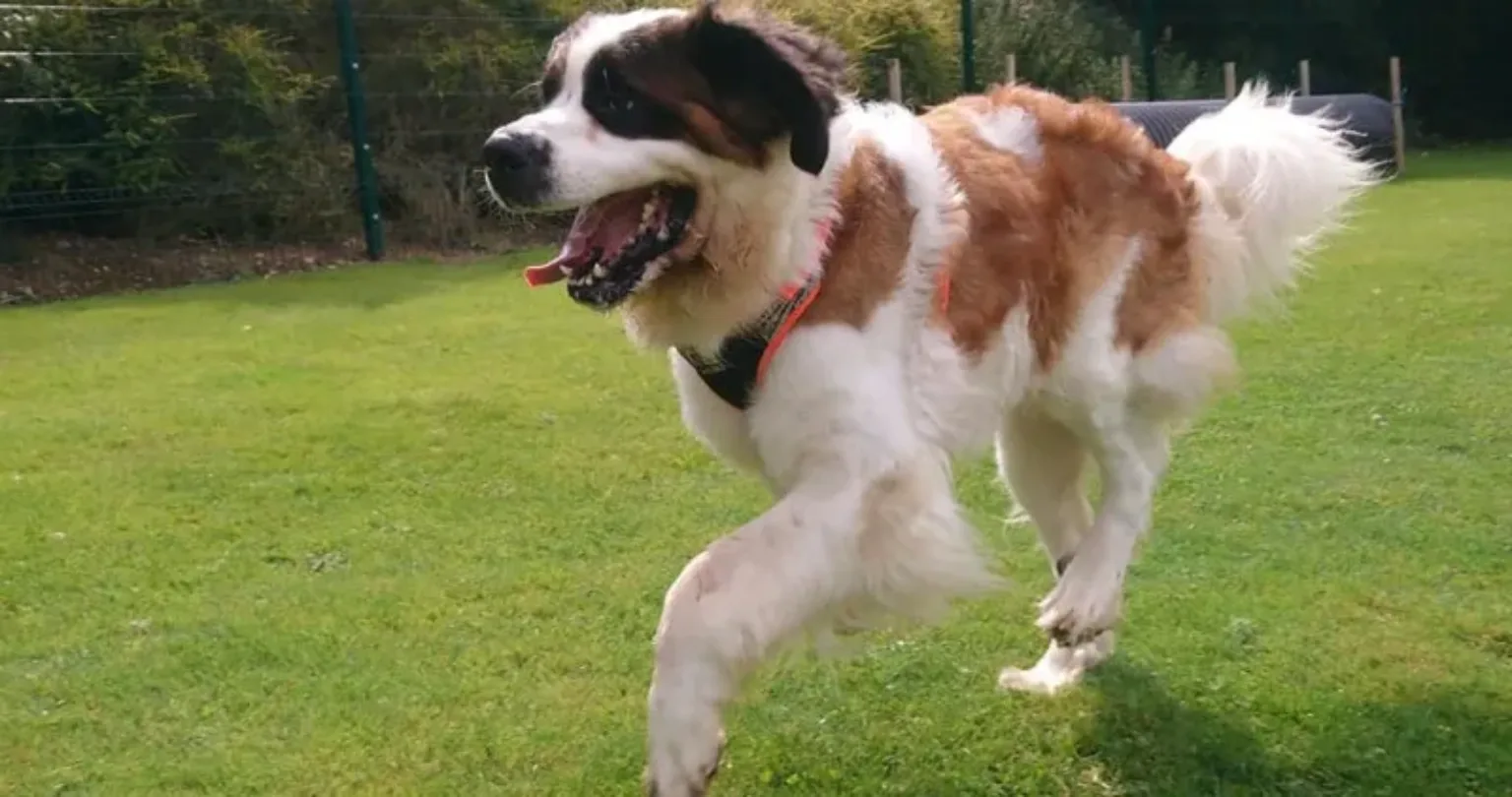
If you have a puppy, gradually build up the amount of their exercise until they’re a year old. If your puppy is a large breed, don’t over exercise them as this may cause health problems.
Make sure you train your dog to return to you confidently before you let them run off the lead.
Fun exercising for dogs
The type and amount of exercise your dog needs depends on their breed and their age.
Young and middle aged dogs need two to five periods of activity and exercise daily. Elderly dogs often enjoy a short walk twice a day – regular but not strenuous exercise helps keeps mature dogs fit and well.
Dogs bred for herding like collies and German Shepherds need to have something to chase like a ball or Frisbee. Retrievers and spaniels love to play hide and seek with toys on walks and bring them back to you.
Terriers love to explore different places and smells on their walks and may like a dig tray or sand pit in the garden that they can explore.
Dogs can get bored if they’re taken on the same walks and routines every day. Try introducing different games and training techniques while exercising your dog to keep their walks fun and interesting.
Safe exercising for dogs
Make sure your dog has a correctly fitted collar with tag and is microchipped – that way they can be identified if they ever get lost while you’re out.
If your dog pulls on their lead, consider using a dog harness or head collar instead of a standard lead – this will give you extra control when you’re walking.
How much exercise does my dog need?
Most dogs need at least 30 minutes to 2 hours of exercise each day, depending on their age, breed, and energy levels. Regular activity helps maintain a healthy weight, supports good behaviour, and strengthens the bond between you and your dog.
Common forms of exercise:
- Daily walks (short or long, depending on the dog)
- Playtime in the garden or park (e.g. fetch, tug)
- Swimming (ideal for dogs with joint issues)
- Agility training or obstacle courses
- Hiking or longer countryside walks
- Scent games (great for all types, but a nice gentle exercise for older dogs too).
Example needs by breed type:
- Active/high drive breeds (e.g. Border Collie, Labrador): 1.5 to 2 hours of high-energy exercise
- Toy breeds (e.g. Chihuahua, Pomeranian): 30 to 60 minutes of light to moderate activity
- Flat-faced breeds (e.g. Bulldog, Pug): shorter walks with plenty of breaks, especially in warm weather
- Senior dogs: low-impact activities like short walks or gentle play, adjusted to suit their mobility
When to adjust your dog’s exercise routine:
- On hot days, walk during cooler hours and avoid overexertion
- Puppies need shorter, more frequent bursts of activity
- Always watch for signs of fatigue or discomfort