
ADVICE
Understanding your cat
From creating separate areas for each cat, to learning their meows and body language, this animation will help you to understand your pet and their needs.
Read more about 'Understanding your cat'
Our feline friends have plenty of impressive features that make them slinky, stealthy hunters – one of their best assets being their exceptional eyesight. Cats have remarkable eyes, that have evolved to help them hunt at dawn and dusk. But there are a few myths worth clearing up, including the idea that cats can see in complete darkness.
No, cats cannot see in total darkness. However, their eyesight is very good and they can see remarkably well even in very low light. Cats can see around six to eight times better than we can in low light, so even in rooms only lit by moonlight or an outside streetlamp, your cat can see perfectly well.
Cats are crepuscular, meaning they are naturally most active at dawn and dusk. As such, their eyes have specially developed to see even in very low light.
Cats’ eyes have several features that allow them to see well even when it’s very dark:
Cats can see colour, but not the full range that we can. Humans have three types of colour receptor (called cones) in our eyes, whilst cats only have two. This means reds and greens appear as dull greys to them, while blues and yellows are the colours they see best.
The upside of having fewer cone cells is having more rod cells, which give cats their excellent low-light vision – it’s a trade-off that suits a hunter perfectly.
Cats’ vision is impressive, but in some ways humans’ eyesight is better. Here is a quick comparison:
Understanding your cats’ vision can be helpful to understanding their behaviour. A toy in bold blue or yellow will catch their eye far better than a red one, which may look grey to them. And if you catch them staring intently into the dark, they might have spotted something that isn’t visible to human eyes in such low light. To learn more about how cats use their senses to communicate, read our cat communication guide.
Despite their impressive vision, cats can develop eye problems. It’s worth checking their eyes as part of a regular health check at home. Signs to look out for include cloudiness, discharge, squinting, or any change in the appearance of the eye. If you notice anything unusual, promptly contact your vet. Find out what else to look for in our how to health check your cat guide.
From creating separate areas for each cat, to learning their meows and body language, this animation will help you to understand your pet and their needs.
Read more about 'Understanding your cat'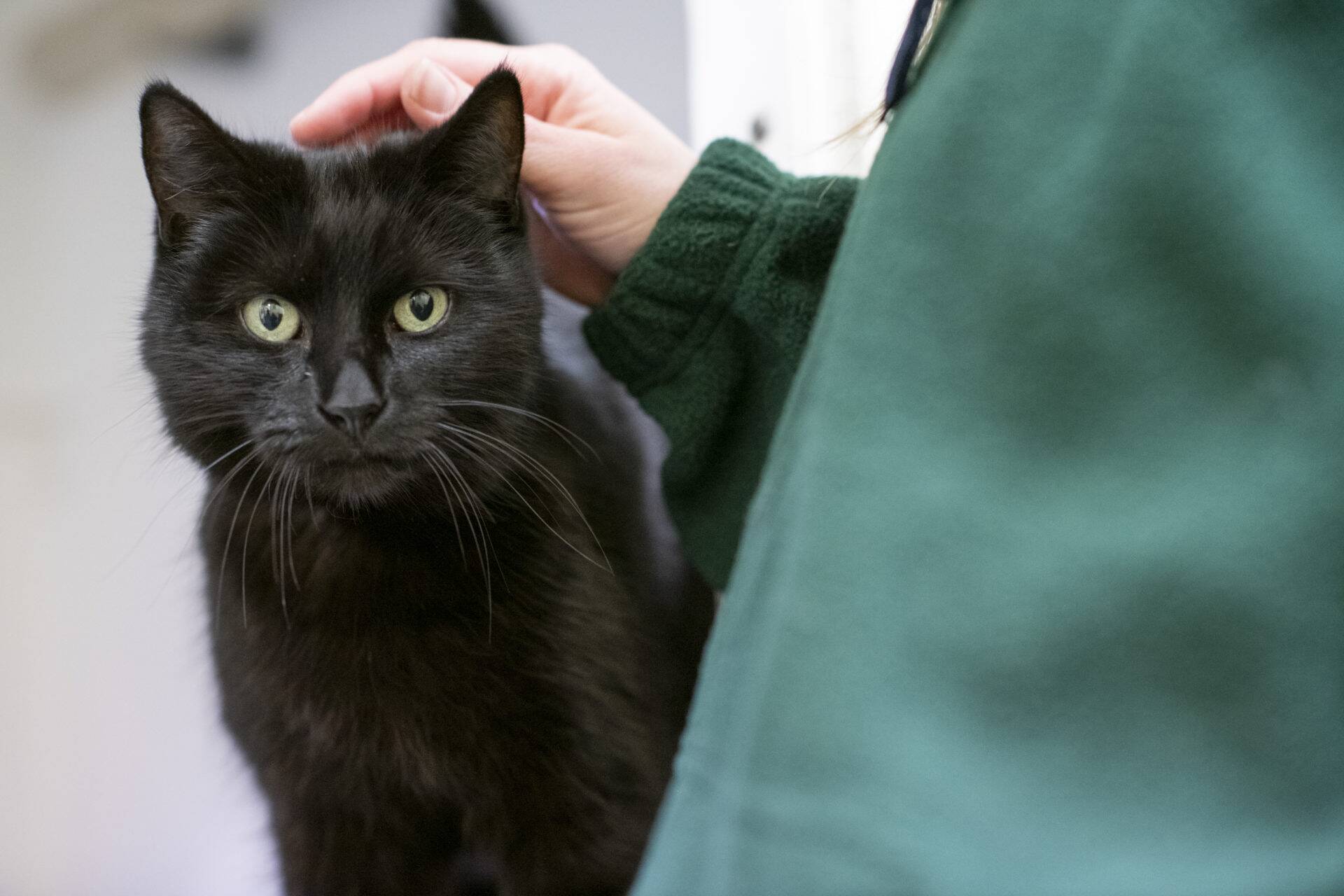
It’s important to regularly health check your cat to ensure they’re in tip-top condition. Here are some simple checks you can do to make sure they're happy and healthy.
Read more about 'How to check your cat’s health at home: a full healthcare guide'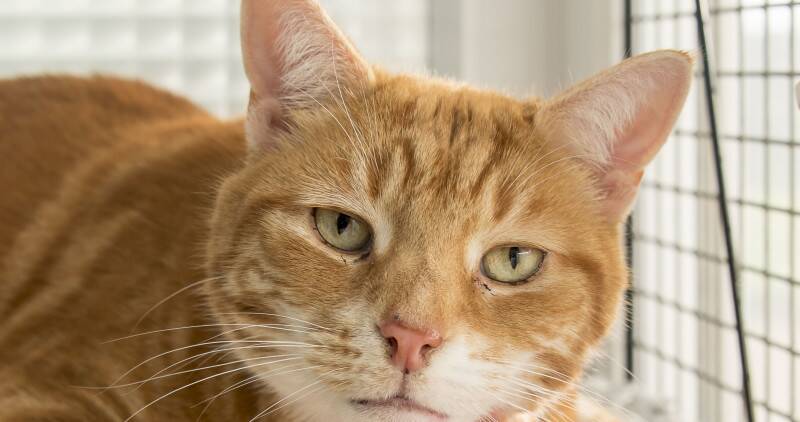
There’s lots to think about before you welcome a feline friend into your life – and our advice can help.
Read more about 'What to think about before getting a cat'