Kittens typically need their first set of vaccinations from nine weeks old, followed by a second set at around twelve weeks.

How to check your cat’s health at home: a full healthcare guide
It’s important to regularly health check your cat to ensure they’re in tip-top condition. Here are some simple checks you can do to make sure they're happy and healthy.


Three things you should know
Annual health checks are essential for adult cats too, as they allow your vet to catch problems early.
Pet insurance can help cover unexpected veterinary costs, which can leave a big hole in your pocket if your cat becomes unwell or injured.
This guide covers cat healthcare too, from vaccinations and worming to neutering and annual health checks, so everything you need to keep your cat healthy is in one place.
Ears
Bend your cat’s ear back gently and look inside. Make sure there isn’t a large amount of discharge or a strong smell coming from the ear.
Mouth
Gently lift up your cat’s lip folds to check their teeth and open the jaw to check their mouth. The gums and tongue should be a salmon pink colour, any redness or lumps could suggest a problem. Check the teeth for tartar, any large build up could need removing by your vet. If you notice your cat has bad breath, get them checked by your local vet.
Eyes
Check their eyes are clear, bright and free from discharge.
Nose
Check for any excessive discharge, and also for any coughing or sneezing as this could be a sign of cat flu.
Body
Check your cat’s body all over for any lumps and bumps, note if any are changing in size or shape. Look for any bald patches, irritations, soreness or scabs on the skin, check for fleas and keep an eye on any excessive scratching or nibbling.
Look out for matts in long-haired cats, or older cats who may be unable to groom.
Feet
Lift their feet up and gently check the pads for any splinters or pebbles. Keep a close eye on the length of their nails – if your cat is predominately indoors then they may struggle to maintain a short claw length.
Bottom
Keep an eye on your cat’s faeces, as an upset stomach can be a sign that your cat is unwell.
After you have given your cat a health check make sure you give them a fuss and some treats. If at any point they are not happy with being checked over then stop and try another time.
Recognising signs of illness
Cats are good at hiding pain and discomfort, so it’s worth watching for subtle changes:
- Changes in appetite, thirst, or weight
- Reduced grooming or a scruffy-looking coat
- Changes to toileting habits, such as straining or going more frequently
- Lack of energy, hiding, or reduced interest in play
If you notice any of these signs, book a vet appointment rather than waiting to see if they pass.
Kitten medical care: the first few months
Before your kitten arrives, it’s worth registering with a vet, so you can be ready for their initial appointments. In the first few months, kittens will need vaccinations, worming, flea treatment, and a general health check.
Kittens should be dewormed every two weeks until they’re twelve weeks old, then less often as they grow. Your vet will also discuss neutering and microchipping, which is usually done at the same time from around four months of age.
Neutering
Neutering helps prevent unwanted litters and can reduce the risk of certain illnesses, including some cancers. It can also reduce undesired behaviours such as spraying and roaming. Most vets recommend neutering both male and female cats from around four months old, depending on your cat’s health and circumstances.
Some cat breeds are more prone to health issues
Pedigree cats, particularly flat-faced breeds like the Persian and British Shorthair can be more prone to certain genetic health conditions due to selective breeding. If you’re considering a pedigree cat, research the breed’s common health issues and ask the breeder about health testing.
Keep them vaccinated
Vaccinations should be given yearly by your vet and will protect your cat from potentially fatal diseases. Your vet will also carry out a health check before vaccinating, and booster frequency depends on the vaccine and your cat’s individual risk factors, such as whether they go outdoors.
Worming your cat
An infestation of worms can be easily prevented with regular worming treatment. This can be quite a serious problem in kittens and cats, it also poses a small risk to you and your family. There are many types of inexpensive worming treatments that can be bought from your vet, you can easily administer these at home.
As a general guide, most adult cats need worming at least every three months, though cats that hunt or spend a lot of time outdoors may need treatment more often.
Fleas and ticks
Fleas and ticks cause discomfort as they feed on your cat’s blood – they can also encourage the spread of disease. They are usually picked up by your cat when they’re outside although they can travel into the house in many ways. Fleas and ticks can thrive in your house and furnishings due to the warm environment.
Ticks and fleas can be kept under control with many different types of regular treatment. Discuss your cat’s individual requirements with your vet.
Prescription-strength flea and worm treatment needs a vet exam first. Once your cat has a prescription, it’s usually cheaper to fill it through a registered online pharmacy than to buy it over the counter.
Regular checks keep your cat healthy
An annual health check is recommended for every cat. This gives your vet the chance to examine areas you cannot easily check yourself, such as your cat’s mouth, abdomen, heart, and lungs. Catching a problem early often means it’s easier and cheaper to treat.
Take your cat for regular check-ups at the vets for general body condition, weight and teeth. Groom them regularly to keep their coat in good condition and strengthen their bond with you – this is especially for long haired cats. Remember to keep an eye on your cat’s weight and feed them the right diet to keep their teeth healthy.
Three things you can do today
Register with a vet
If you don’t have a vet already, register now so you are ready for vaccinations, health checks, or any unexpected illness.
Check your cat’s vaccination record
Look at when your cat’s last booster was given and book them in if one is due or overdue.
Review your flea and worm treatment plan
Speak to your vet about a tailored parasite treatment plan rather than relying on over-the-counter products.
Related content
PAGE
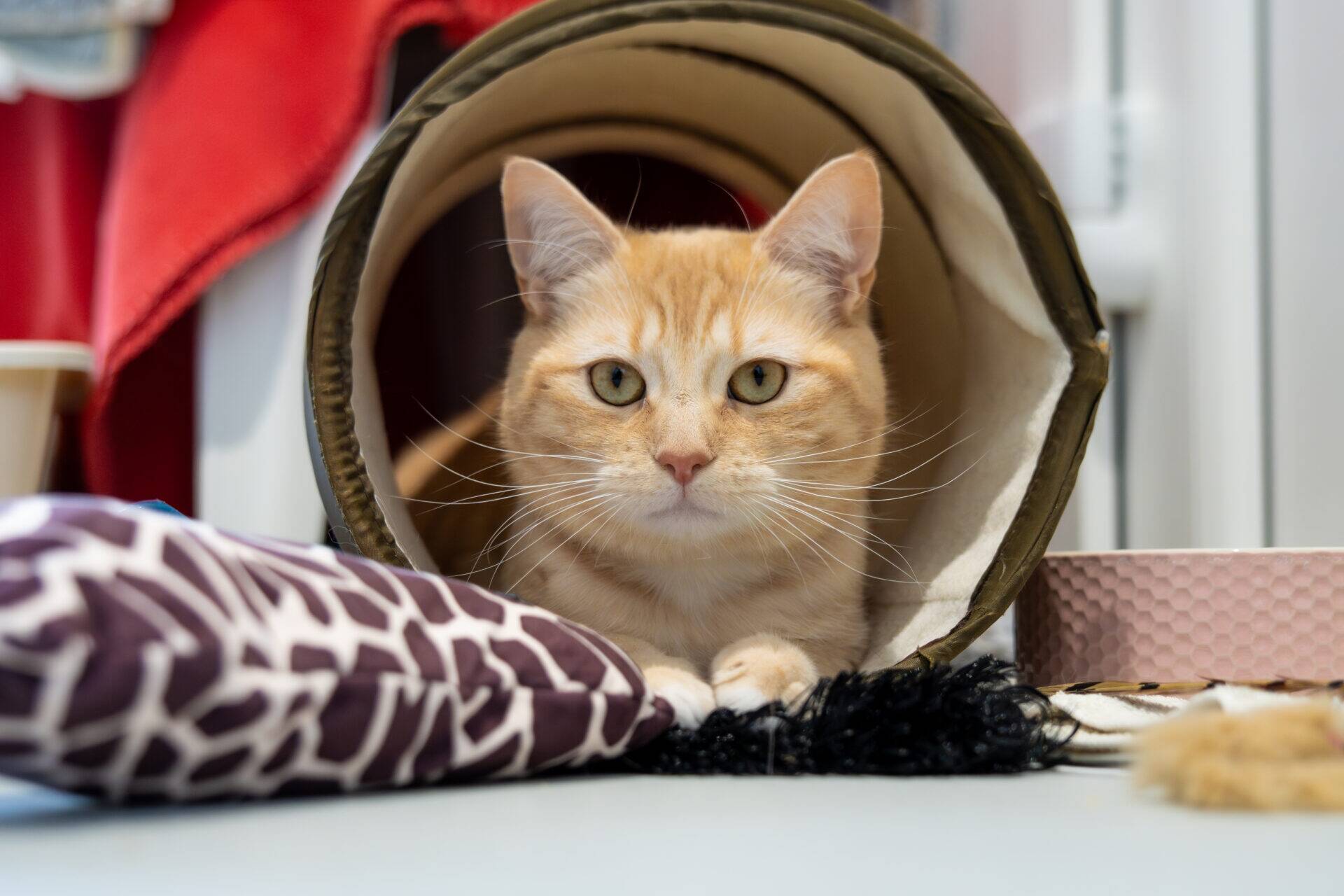
Pet health and wellbeing checks
Want to make sure your pet is in tip-top condition? We can give your furry friend a health and wellbeing check in the comfort of your home for free
Read more about 'Pet health and wellbeing checks'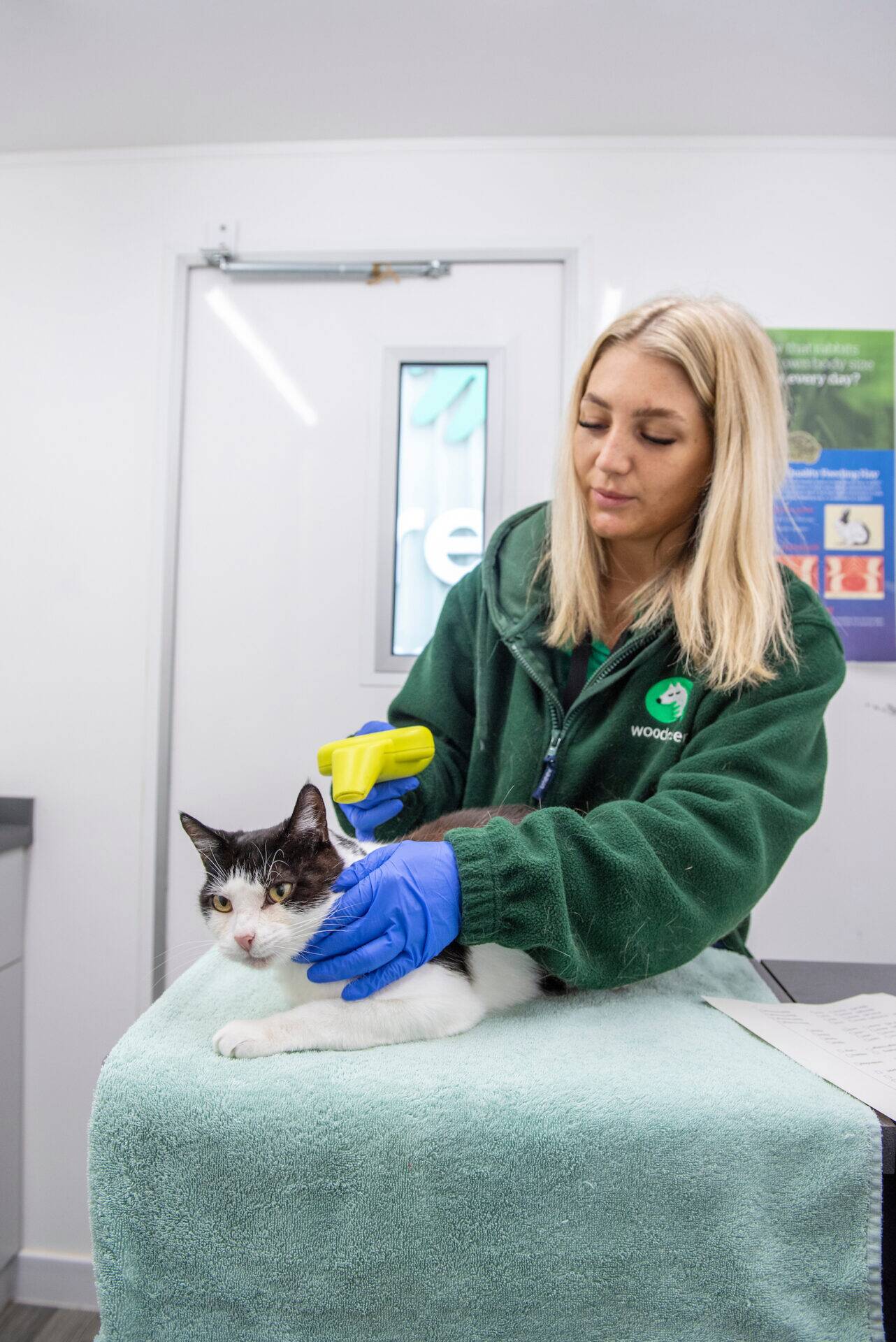
POST
65% of stray cats arriving at Woodgreen still not microchipped – one year after law change
Woodgreen Pets Charity is raising the alarm at the number of stray cats still arriving at its Cambridgeshire centre without microchips – a year after it became a legal requirement to microchip a cat.
Read more about '65% of stray cats arriving at Woodgreen still not microchipped'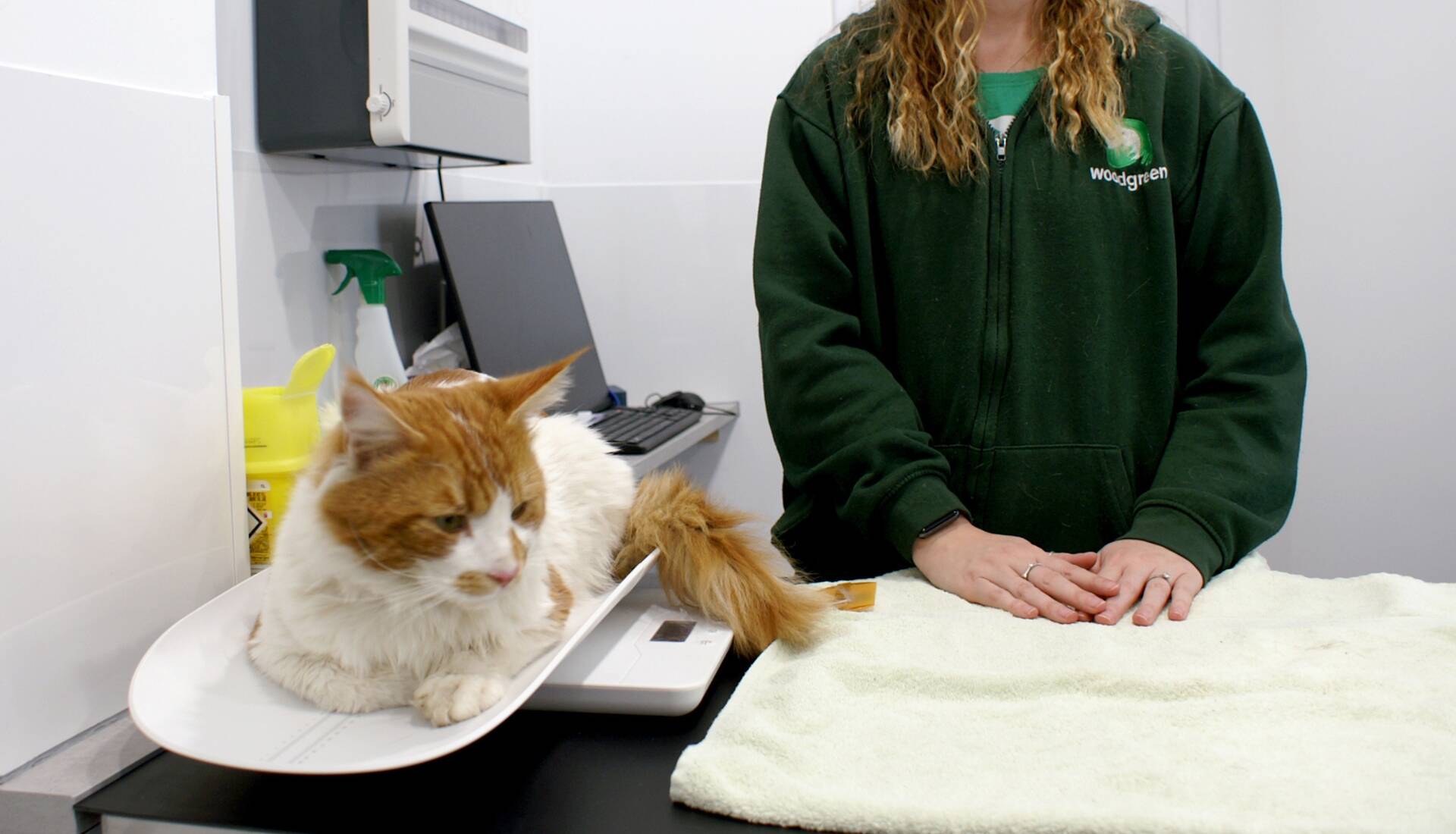
POST
An unneutered cat can be responsible for 2,000 kittens
When unneutered cats mate, they can be responsible for thousands of kittens (their own, and then their kittens’ kittens) in just five years. Here's what we're doing to tackle this crisis.
Read more about 'An unneutered cat can be responsible for 2,000 kittens'