Not all cats need their claws trimmed
Active outdoor cats often keep their claws short naturally through climbing and scratching.
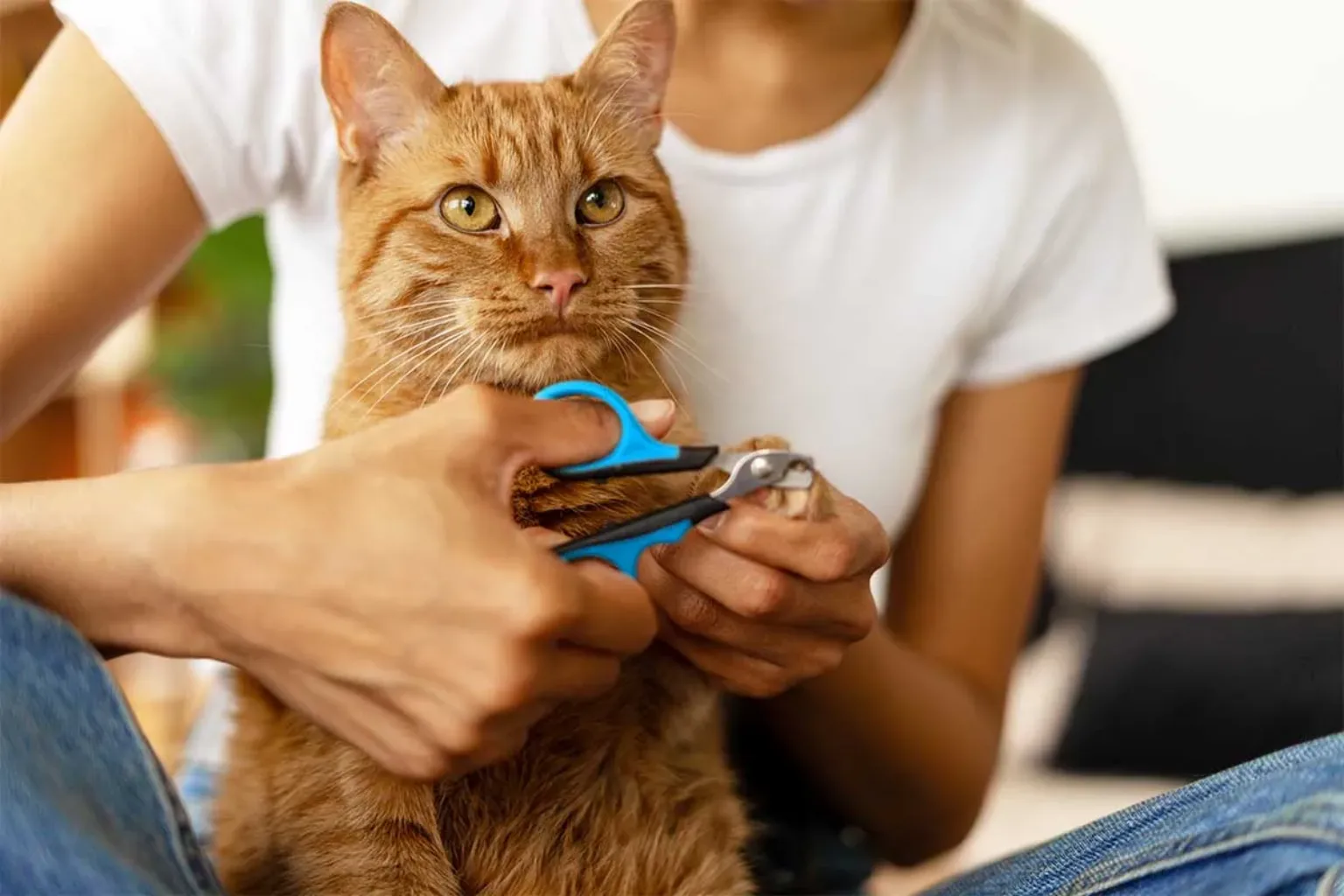
Active outdoor cats often keep their claws short naturally through climbing and scratching.
Most cats have 18 claws in total – five on each front paw (including the dew claw) and four on each back paw.
Despite the popular belief that clipping cats’ claws is cruel, it’s a normal part of grooming when done correctly – especially for indoor cats or older cats with reduced mobility. Regular cat nail trimming keeps claws at a safe length and helps protect your cat's paws.
In short, to cut a cat’s nails: wait until they’re relaxed, use cat-specific clippers, gently extend each claw, and trim only the white tip, avoiding the pink quick.
Cats who spend time outdoors usually wear their claws down through climbing, scratching, and general activity. This means they may rarely need any help from you.
As for indoor cats, they usually keep their claws at a good length through their use of scratching posts and blocks. But it’s possible they’ll still need trimming from time to time.
Older cats, or those with mobility issues who are less able to maintain their own claws will often need regular trimming.
Signs that your cat’s claws may be too long include:
If a claw grows too long and curves, it can grow into the paw pad, which is painful and can lead to infection, so it’s worth keeping a regular eye on them.
It’s important to know that clipping claws can cause shedding to become more difficult due to how blunt the claw is afterwards.
If they can’t shed their claws, they’re more likely to become thickened. This can cause an ingrown claw, infection, pain and potentially ripping of the paw.
Claw clipping should only be done when really needed – usually as they get older. This is because their claws become thickened and risk growing into their paw pad.
For indoor cats, we recommend checking their claws every two to three weeks. Some cats will need trimming at every check, others less frequently.
Older cats often develop thicker, more brittle claws that need more regular attention. If you’re unsure, read our guide below. Or if you’d still rather not do it yourself, ask your vet who should be able to help.
Follow these steps for a calm, safe trim:
Wait until your cat is relaxed and sleepy, ideally after a meal. Never attempt to trim their claws when they’re clearly unsettled or on edge.
Always use clippers designed specifically for cats. Human nail clippers or scissors can crush the claw and cause it to split, which can be very uncomfortable.
Gently press the top of the toe to push the claw forward. This exposes the full claw so you can see what you’re working with.
The quick is the pink section inside the claw containing blood vessels and nerves. Only cut the white tip. If you nick the quick, apply a small amount of cornflour with gentle pressure to stop any bleeding.
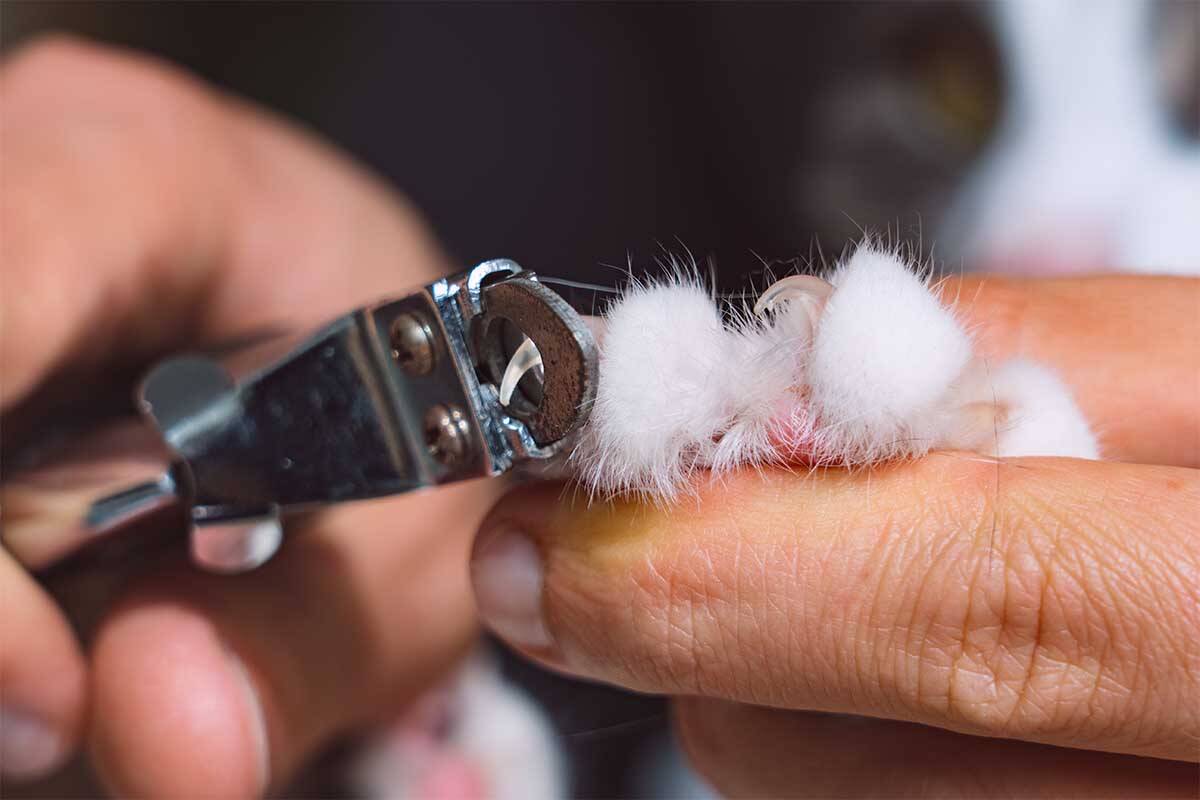
Only cut the white tip of a cat's claws
There’s no need to trim all the claws at once. Trim one or two, give your cat a treat, and continue when they’re looking settled. Reward them throughout to build a positive association with trimming.
These sit higher on the front legs and do not touch the ground, so they’re less likely to wear naturally and can curl if left untrimmed.
If your cat resists having their paws handled, spend a few days simply touching and massaging their paws during calm moments, without any clippers present. This helps them get used to the sensation before you introduce the trimming process.
It’s normal to find what looks like a whole claw on your cat’s blanket or near their scratching post. This is a claw sheath – the outer layer that cats shed naturally through scratching. It’s a sign that your cat is maintaining their claws well and nothing to worry about.
Find out more about understanding your cat’s behaviour.
Examine each paw and look for curling, splitting, or claws that seem longer than normal. If in doubt, ask your vet at your next visit.
If you do not already own cat nail clippers, buy a pair designed specifically for cats. Keep them sharp – blunt blades can crush rather than cut cleanly.
A good scratching post helps your cat maintain their own claw condition between trims. Place it somewhere they already like to scratch for the best results.
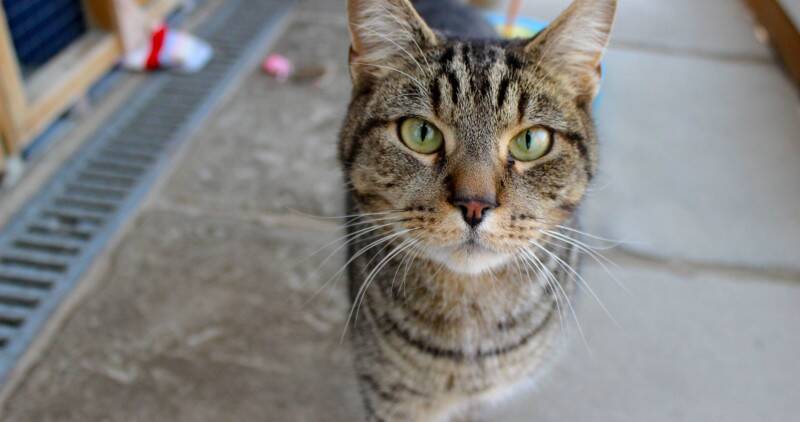
Cats scratch with their front claws. Scratching loosens and removes the outer husk of their claws, revealing a sharp new surface underneath.
Read more about 'How to stop my cat scratching the furniture'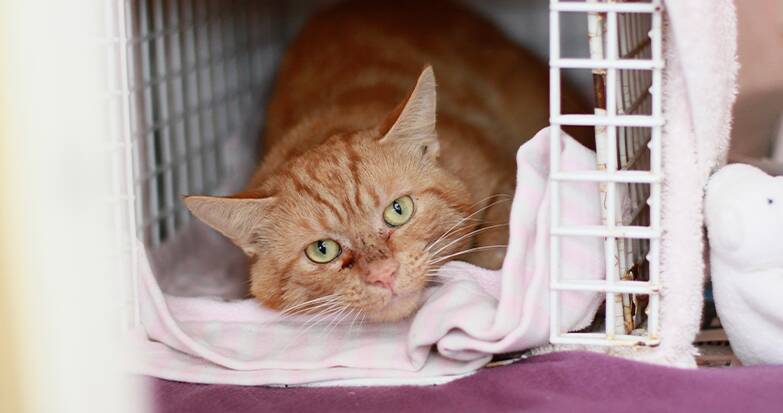
When it comes to your cat's behaviour, they may be trying to tell you how they're feeling.
Read more about 'Cat behavioural traits'
It’s important to regularly health check your cat to ensure they’re in tip-top condition. Here are some simple checks you can do to make sure they're happy and healthy.
Read more about 'How to check your cat’s health at home: a full healthcare guide'