ADVICE
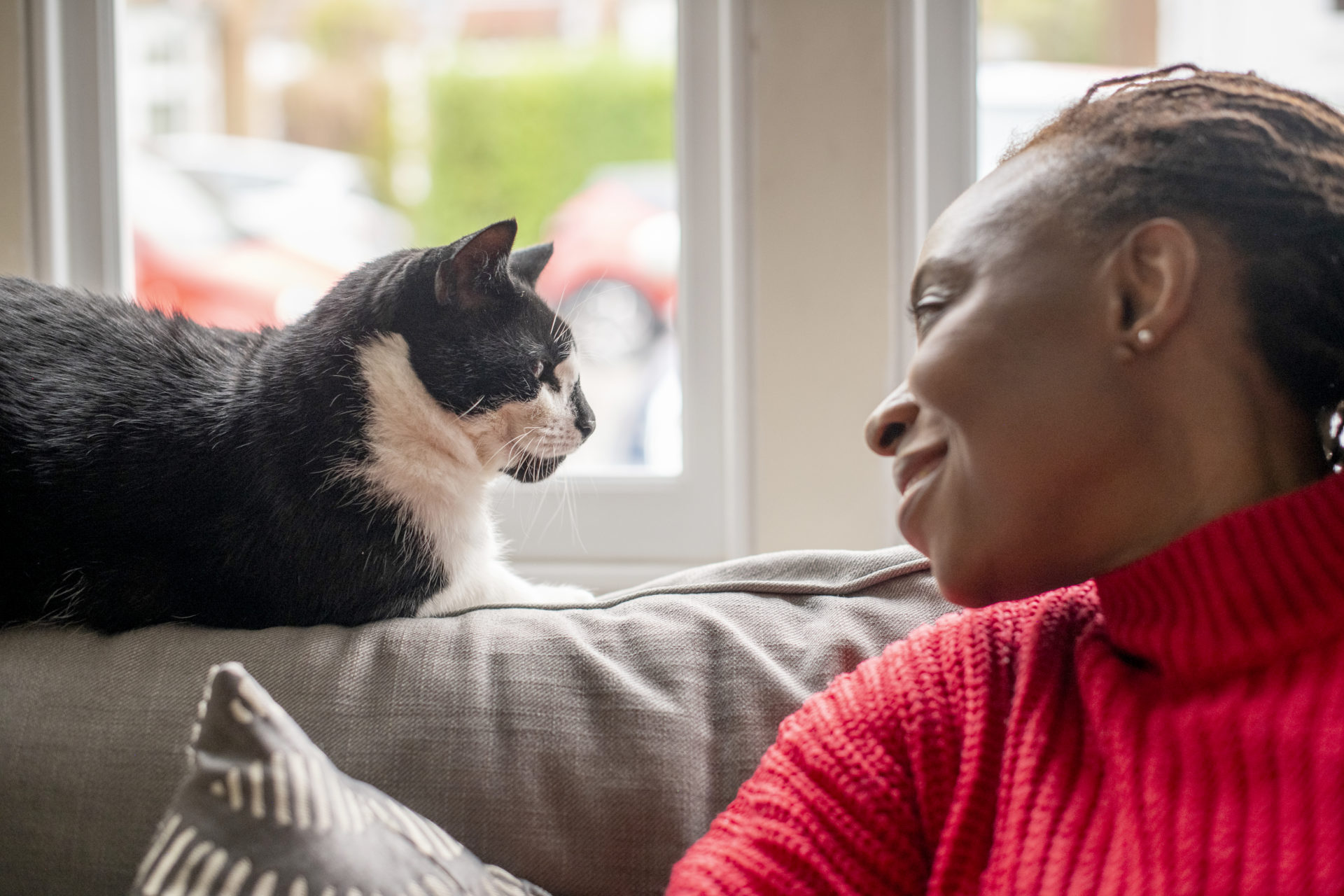
Why do cats and kittens purr?
If you’re curious about why – and how – cats purr, read on for the answers!
Read more about 'Why do cats and kittens purr?'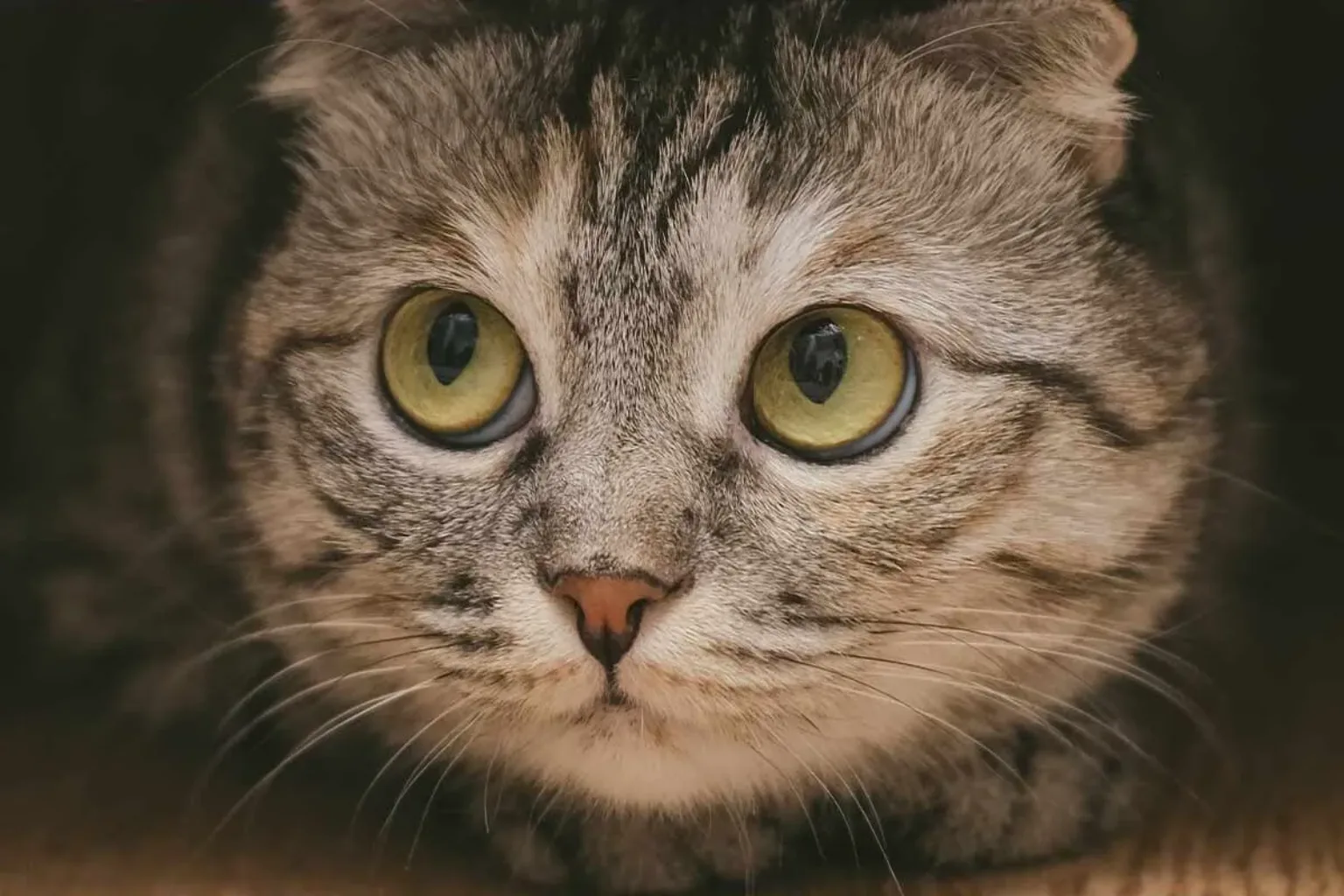

Feline stress is surprisingly common, but it can be easy to miss. Unlike dogs, cats often hide discomfort rather than show it openly, which is why learning to spot cat stress symptoms early matters. Knowing what to look for means you can step in before stress affects your cat’s long-term health.
The most common signs of a stressed cat include hiding, over-grooming, changes in toileting habits, appetite changes, and unusual vocalisation.
According to Samantha Prior, Woodgreen’s Cat Behaviour Specialist, Cats will often show stress through a combination of their behaviour, body language, and physical health. Here are ten of the most common signs to look out for:
A cat who suddenly starts spending long periods alone in quiet spots, especially one that was previously sociable, may be feeling overwhelmed.
Excessive licking, especially in one area, can be a self-soothing response to stress. Over time it may lead to thinning fur or bald patches.
Urinating or spraying in unusual places is one of the most obvious signs of feline stress. Always see your vet first to rule out a urinary tract issue, especially in male cats.
Eating noticeably more or less than usual can indicate stress. If you notice a sudden loss of appetite, always to speak to your vet.
More meowing, yowling, or crying than normal, especially at night, can be a sign of anxiety or distress.
Hissing, swatting, or biting – especially towards people or pets your cat usually tolerates – can signal they’re feeling threatened or overwhelmed.
A hunched posture, flattened ears, dilated pupils, or a low-to-the-ground walk are all signs that a cat is on high alert.
While scratching is normal behaviour, a sudden increase or scratching in new places could mean their stress levels are high.
Diarrhoea or changes to your cat’s digestion can be linked to ongoing stress, though physical causes should always be ruled out first.
A stressed cat may withdraw and sleep for longer periods as a way of avoiding their environment.
Common causes of feline stress include:
The first step is always a visit to your vet to rule out any underlying health issues. Many of the signs above can also have medical causes.
If your cat gets the all-clear, try to identify what may have changed in their environment or routine.
Common causes of feline stress include the arrival of a new pet or baby in the home, building work, unfamiliar cats entering the garden, or a conflict with another household cat.
So, what can help? Sticking to a predictable daily routine and providing safe hiding spaces can be effective. You should ensure your cat’s food, water, litter, and resting areas are in places that are quiet and easy to access. Food and water should also be spaced out to avoid contamination.
Get more useful advice in our article on understanding your cat’s behaviour.
Your cat’s environment can also play a part in easing their stress. Soft background music or TV noise at a low volume can help some cats feel less anxious and cope better with noises like fireworks or building work.
If your cat’s stress is severe or not getting any better, our behaviour and training specialists can help.
If you’re curious about why – and how – cats purr, read on for the answers!
Read more about 'Why do cats and kittens purr?'
From creating separate areas for each cat, to learning their meows and body language, this animation will help you to understand your pet and their needs.
Read more about 'Understanding your cat'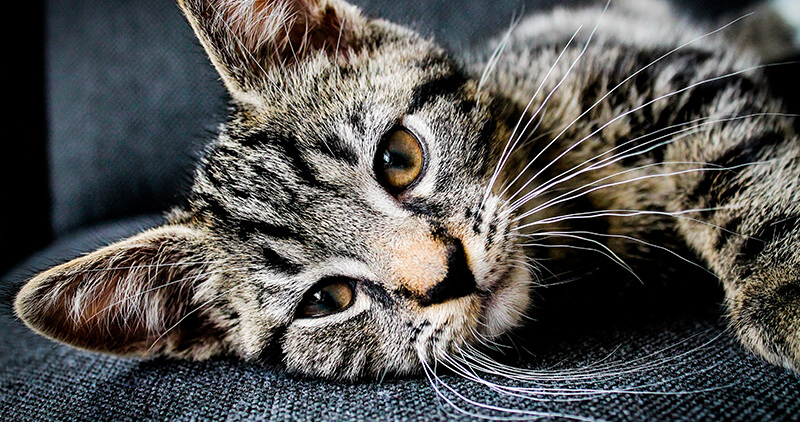
When you rehome a new cat or kitten, it’s important that you handle them correctly from the beginning – this will help you build a strong bond for the future.
Read more about 'How to handle your cat'