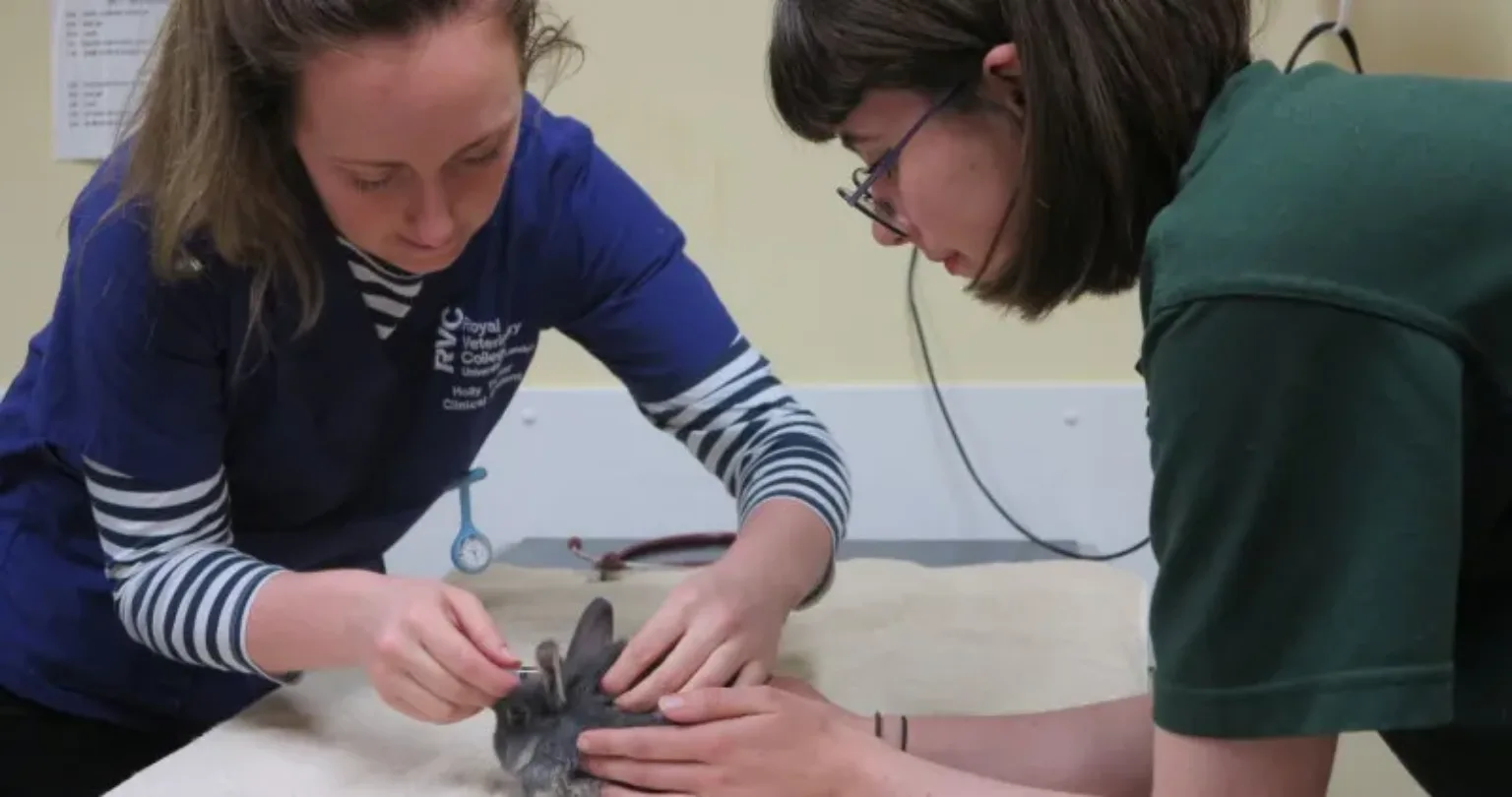
Rabbit at the vet being treated

Ask the experts: Pet vaccinations – everything you need to know

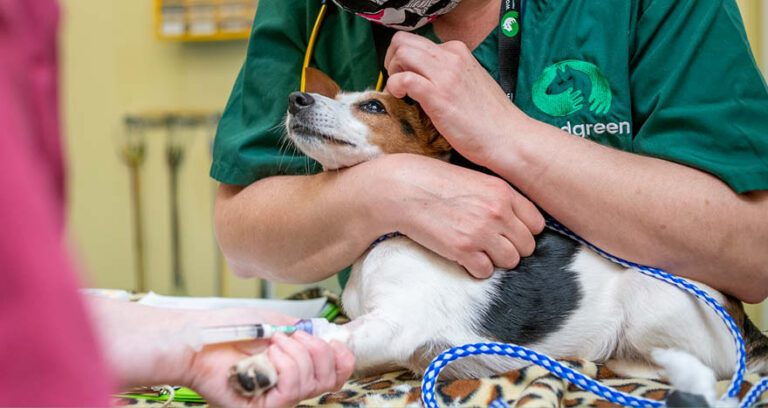
A small dog lies calmly on an examination table while a vet in green scrubs gently holds its head and another person administers medication into the dog's front leg.

Both pets and people are at risk of catching infectious diseases and the symptoms can either be mild or in some instances, life-threatening. But the good news is that vaccines are there to prevent or reduce the risk of disease, helping our pets to live healthy and fulfilling lives.

If you have questions or concerns about pet vaccinations, our team of experts have answered some of the most frequently asked vaccination questions to make sure you have all the information you need.

Which pets need vaccinating?

The majority of dogs, cats and rabbits need vaccinations as these pets all come into contact with other pets or are exposed to outdoor environments. The UK pet population continues to grow and therefore it’s more likely that you and your pets will come into contact with other pets and risk catching something nasty. Even if your pet doesn’t go outside, it’s worth knowing that we can carry diseases indoors and transfer them to our pets.

When do pets need vaccinating?

The ideal time to get your pets their first vaccination is when they’re young. This will give them the best chance of immunity. Young pets are most vulnerable to diseases, so early vaccination helps them to build better immunity for the rest of their lives. Typically, cats and dogs are vaccinated at around eight weeks of age, and rabbits from four weeks old.

Most pets will then need yearly boosters to top up their immunity. To find out the best schedule for your pet based on their species, age and vaccination history, get in touch with your vet.

How much does it cost to vaccinate pets?

For puppies and kittens, their first course of vaccinations costs around £75, with annual boosters coming in slightly cheaper. We recommend contacting your vet to discuss costs, as many offer payment plans that allow you to spread the cost. Just remember, vaccinations will always cost less than treating a sick pet.

What if I can’t afford to vaccinate my pets?

We highly recommend shopping around for a vet that suits your budget. You can be registered with more than one vet, so it’s worth speaking to your local practice about the different options available. Make sure to ask about available payment options and preventative healthcare plans. When thinking about getting a new pet, please factor in the cost of vaccination and other preventative treatments (like flea and worming) to protect your pets, and also your wallets in the long run.

For trusted advice on all aspects of pet ownership, visit our pet advice or contact the team at Woodgreen for free support.
Your pet vaccination questions, answered

Do I only need to vaccinate my pet when they’re young?

Cats and dogs should be vaccinated annually to boost their immunity against common illnesses. This starts with a primary course of vaccinations for puppies and kittens which are essential for immunity boosting. Annual boosters then top up this immunity and protect your pet as they get older.  

If my pet doesn’t interact with other pets, do they still need vaccines?

All pets benefit from vaccines. While contact with the outdoors or with other animals is one way illnesses can be transmitted, it isn’t the only way pets contract diseases. As owners we can also transmit illnesses through our clothes and shoes. Vaccines are the best way to reduce your pet’s risk.

Vaccines could make my pet ill, so is it safer not to risk it?

Just like with humans, there is a small chance of a reaction with the vaccine but, as these vaccines protect against a wide range of illnesses, the benefits significantly outweigh the risks.  

Vaccines are expensive are they worth the cost?

We recognise that veterinary costs can be hard for some owners to manage, but vaccines are an important part of maintaining your pet’s immunity and keeping them in good health. Committing to a regular vaccine schedule for your pet could save you unexpected treatment fees in the future.  

If the conditions being vaccinated against are rare, is it still necessary?

Yes – while many of the illnesses we vaccinate against are rare, vaccines have played a key role in reducing the prevalence of these illnesses. However rare some conditions may be, unvaccinated pets are still at risk of contracting preventable illnesses.  

How helpful was this?

Thanks for your rating

Rated this article 3 stars or less? Tell us what we could do to make it more helpful.

4.2
(175)
Let's do it