PAGE
Teacher resources
Want to inspire your students with knowledge on pet welfare? We offer free, curriculum-linked teaching resources!
Read more about 'Teacher resources'
Caring for guinea pigs, is an important part of pet ownership, but paying close attention to elder piggies will ensure they live happy, healthy lives in their twilight years.
The average lifespan of a guinea pig is approximately 5-8 years, and they’re considered to be ‘older’ when they are above three years of age. Once your guinea pig reaches this age, it’s important to keep a close eye on them and make any necessary adaptions to their care to make sure they’re in tip-top condition. Great news is, guinea pigs tend to be living longer now than in the past because pet owners have greater knowledge of their care needs, diet and lifestyle.
It’s worth looking out for any changes in their movement, grooming habits, weight and behaviour, as these could be signs of pain, medical problems or that some small changes may need to be made to their living space.
One of the most important parts of looking after a guinea pig is making sure they’re not in pain. Guinea pigs are prey animals, which means they instinctively hide any signs of discomfort, even indoors, where there’s no threat from predators. As they get older, they can develop health issues that cause pain, so it’s important to know what to look for.
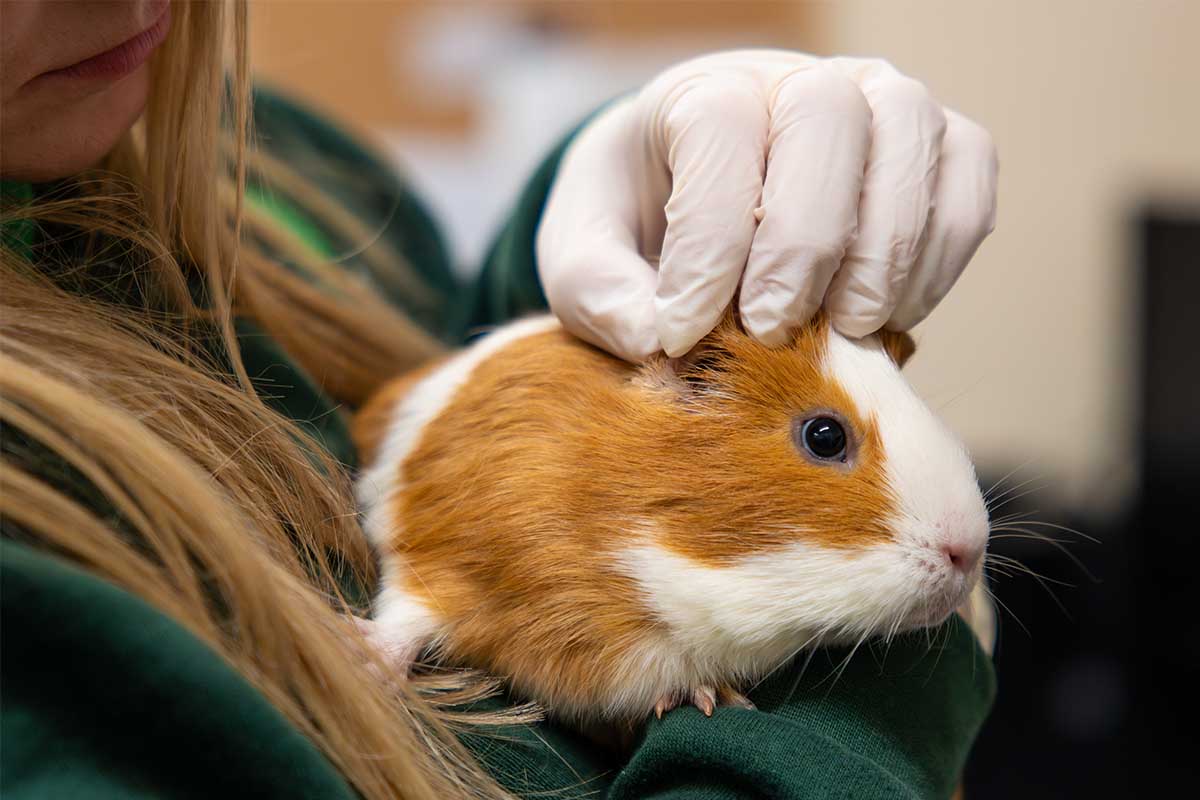
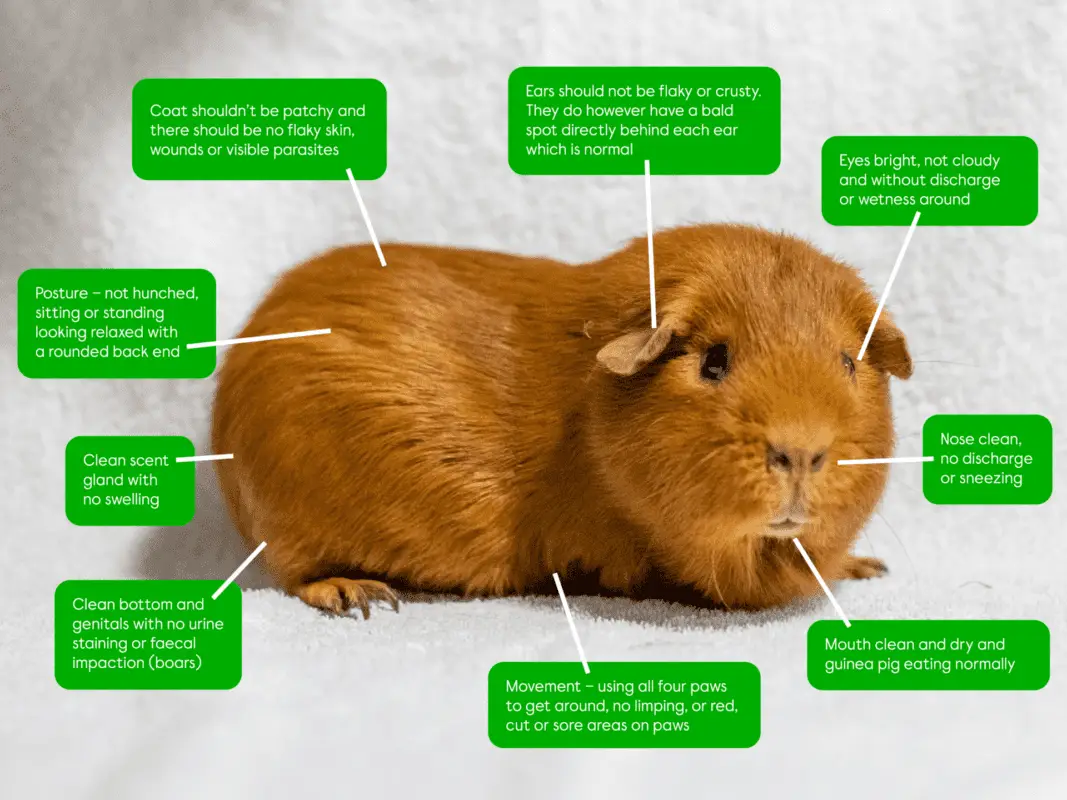
Signs of pain in guinea pigs are often very subtle. That’s why it helps to be familiar with your guinea pig’s normal behaviour and appearance. Learning how to give a guinea pig a simple health check is one of the best ways to spot problems early and make sure your guinea pig stays happy and comfortable.
A guinea pig in pain may:
If you notice any of these signs, trust your instincts. You know your guinea pig best, so getting them checked by a guinea pig friendly vet as soon as you can, could make all the difference. With the right support, many painful conditions can be managed or treated, helping your guinea pig feel more comfortable again.
Guinea pigs, like rabbits, are hindgut fermenters. This means they rely on a diet that’s high in fibre to keep their gut healthy and moving as it should.
For most guinea pigs, a good balanced diet looks like:
As guinea pigs get older, their needs can start to change. You might notice they become less active, especially if they’re dealing with pain or stiffness. Over time, this can lead to muscle loss around their back end, so they may look a bit “skinny” there, even if they’re carrying extra weight elsewhere.
Extra weight can put pressure on their heart and joints, making it harder for them to move around. This can become a cycle – the less they move, the more weight they gain, and the harder it becomes to stay active. It can also make it difficult for them to groom properly or eat their caecotrophs (soft poo), which can increase the risk of sore feet (commonly known as bumblefoot).
On the other hand, some older guinea pigs lose weight. This can be linked to dental problems, gut issues affecting how they absorb nutrients, or conditions like kidney disease.
That’s why keeping a close eye on your guinea pig’s weight really matters. Small changes can be an early sign that something isn’t right. Adjusting their food, especially nuggets, can help keep their weight steady, but if you notice ongoing weight loss or gain, it’s important to speak to a guinea pig friendly vet. Getting support early can help keep them comfortable and well for longer.
It’s essential to maintain a healthy weight for all guinea pigs, especially as they get older as it can be harder to manage. Try to keep your guinea pig at a body condition score of three if using the five-point scale (guinea pig Size-O-Meter) and you won’t go far wrong.
As guinea pigs get older, they can find it harder to get the nutrients they need from their food. If your guinea pig is losing weight, it’s important to speak to a vet first to rule out any underlying health issues. They can guide you on the best next steps to take.
Guinea pigs still need the majority of their diet to be made up of hay or grass (around 85%), with forage and/or leafy greens making up about 10%.
Here are some tips for getting a guinea pig to eat more of the good things:
If these changes don’t lead to a steady improvement, you may need to increase their dry nuggets as a last resort. This should be done carefully, as nuggets are very rich and can make guinea pigs feel fuller, meaning they eat less hay. Over time, this can lead to dental or gut problems, as well as increasing their risk of flystrike if they get a dirty bottom.
Being overweight can put extra strain on your guinea pig’s body. Before making any changes, speak to your guinea pig friendly vet to rule out any medical reasons for their weight gain.
If your guinea pig is otherwise healthy, it’s helpful to look at what might be causing the weight gain.
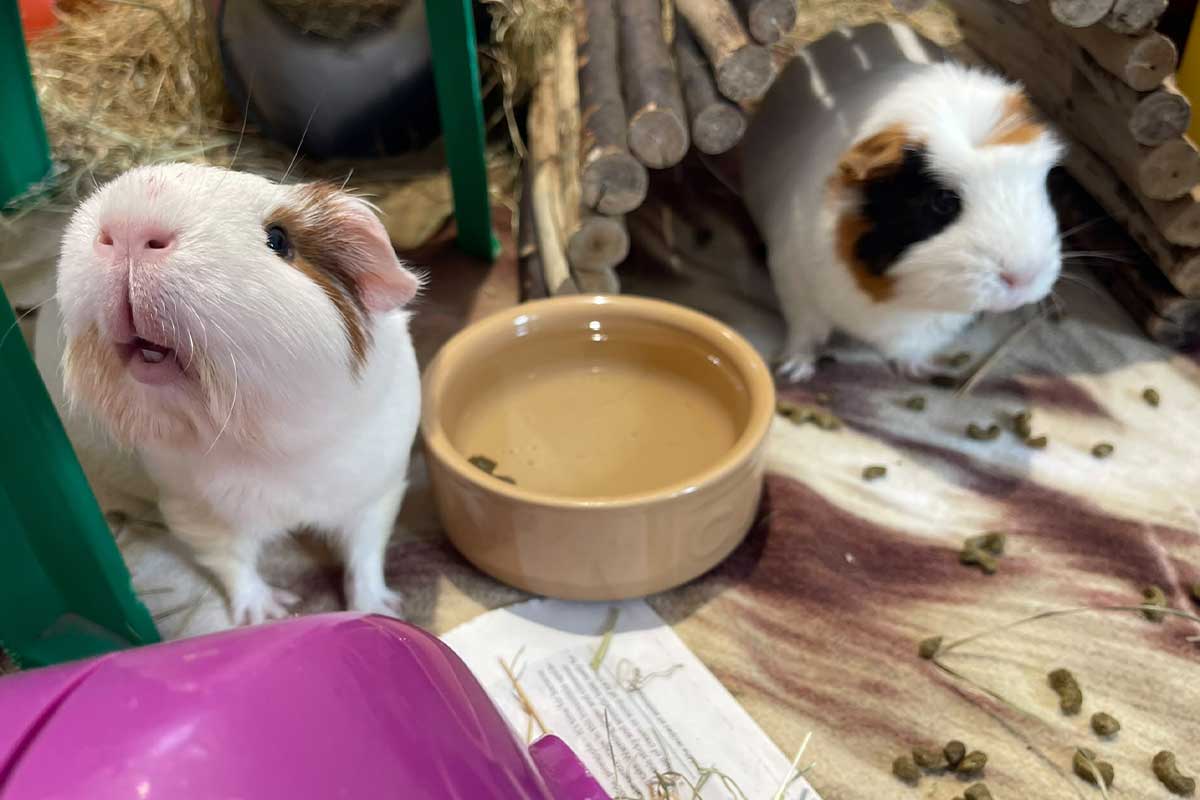
Water – Guinea pigs, like all pets, should always have access to clean, fresh drinking water. Traditionally, guinea pigs have been given water in a plastic drinking bottle as it saves space and keeps bedding dry. Giving your guinea pigs access to a bowl is a more natural drinking position encouraging them to drink more water.
Placing more than one water source around their enclosure can help older guinea pigs who may not want to move as far to drink.
As guinea pigs get older, the most important change is to their housing. If they already have permanent access to a space that meets the minimum standards for a hutch or indoor cage, plus an exercise pen (indoors) or secure garden run, no major changes are needed. See our guide, How to house your guinea pigs for further information including minimum sizes for each size of group.
Older guinea pigs can get arthritis, which is worsened by cold and damp conditions. If they live outside, make sure their home is warm and dry. For hutches, it’s best to bring them inside from October until the end of March. You can find out more in our Winter care tips for guinea pigs article.
These are ideal for housing guinea pigs once converted. Adding insulation like washable cotton rugs, fleece blankets or vet-bed helps keep them comfortable. Cardboard boxes or small hutches with a door removed for access are great to fill with hay for them to snuggle and keep warm in.
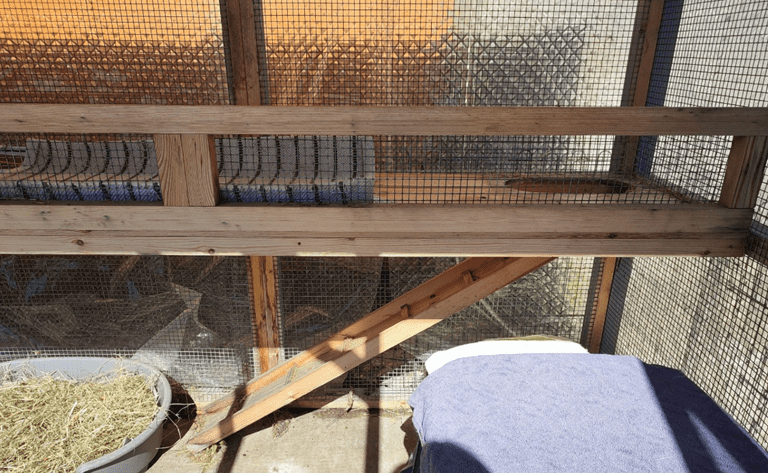
Guinea pigs aren’t good climbers and should not have levels in their enclosure. Plastic enrichment items such as igloos should be covered with a small towel to provide plenty of grip to prevent them slipping off and hurting themselves. It will also provide extra insulation.
Ramps are tricky for guinea pigs because of their short legs. Steeps ramps in double tier hutches can be very difficult to use and unsafe. If ramps must be used in an enclosure, make sure it:
Any high up levels should have a barrier across the front to prevent them from jumping or falling off (see below).
Want to inspire your students with knowledge on pet welfare? We offer free, curriculum-linked teaching resources!
Read more about 'Teacher resources'