PAGE
Adopt pet rabbits
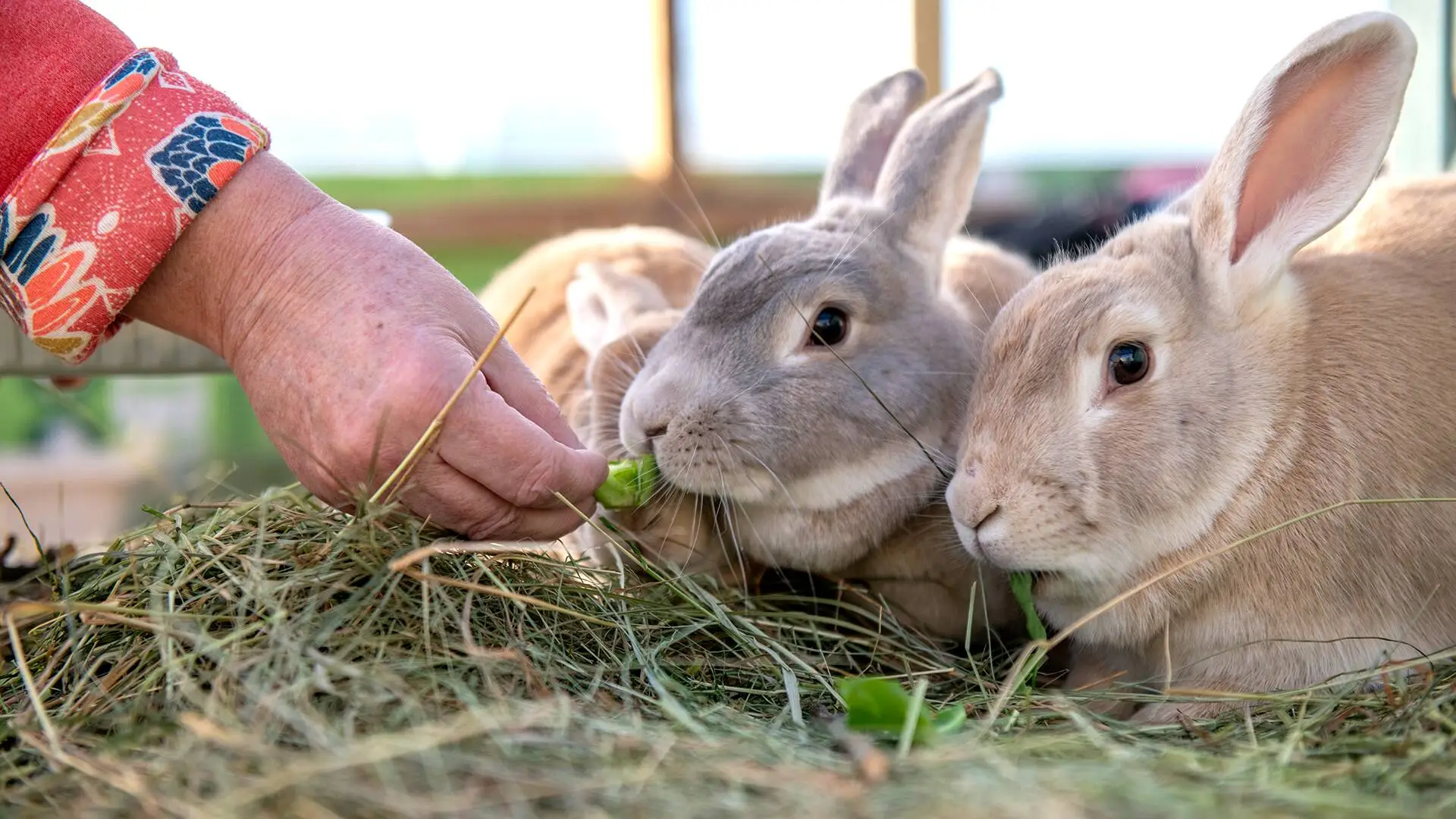
Thinking about adopting rabbits from Woodgreen? Here’s everything you need to know before getting started.
Read more about 'Adopt pet rabbits'
Rabbit vaccinations are a very important part of owning a rabbit. Ensuring your furry friend is up to date with their annual vaccinations is the best way of protecting them from infectious diseases. This article explores the reasons why rabbits need vaccinations and what to look out for.
Not only do rabbit vaccinations protect your bunnies from severe diseases, it stops them from passing it on to other rabbits. It’s recommended to give your rabbits their first vaccinations at around five to seven weeks old. PDSA have a useful rabbit vaccination schedule which reminds you when to book them in for a booster.
*Even if your rabbit lives indoors, they still need vaccinating, as viruses can be brought in on shoes, clothing and hay, and diseases like Myxomatosis can be transmitted through insect bites from flies and mosquitoes entering through open windows or doors.
Rabbits can receive their first vaccination from as young as five weeks old. Getting them vaccinated early is important, waiting until they’re older leaves a window during which they’re completely unprotected from potentially fatal diseases. If you’ve recently got a rabbit and aren’t sure whether they’ve been vaccinated, speak to your vet as soon as possible to get them started on the right schedule.
Yes! Rabbits require a booster injection every year to protect them from the three life-threatening rabbit diseases; Myxomatosis, Rabbit Viral Haemorrhagic Disease-1 and Rabbit Viral Haemorrhagic Disease-2. The vaccine was developed in 2020 and it’s called ‘Nobivac myxo-RHD plus’. It offers protection against all three diseases for 12 months within three weeks of the vaccine being administered. Find out more about each disease and the signs to look out for below.
Myxomatosis is probably the most commonly known disease is myxomatosis in rabbits. It’s a severe viral disease which is spread by fleas and mosquitoes. Both wild rabbits and indoor and outdoor pet rabbits are at risk.
In most cases, once myxomatosis takes hold, an unvaccinated rabbit is sadly unlikely to survive and may have to suffer for up to two weeks until they pass away. Upon diagnosis of the disease, the kindest option is to consider putting them to sleep to prevent further suffering. A vet can support you with this difficult decision. Even vaccinated rabbits can get Myxomatosis, but they will experience mild symptoms and have a much greater chance of survival.
The other disease to be aware of is Rabbit Viral Haemorrhagic disease of which there are two strains known as RVHD1 and RVHD2 (Rabbit Viral Haemorrhagic Disease 1 and 2).
The primary strain in the UK was RVHD1 until a new strain appeared in 2013 and in 2015, it really took hold and RVHD2 is now one of the biggest killers in pet rabbits, and a large contributor in the decline in wild rabbits. RVHD is very tricky to spot because it shows few symptoms other than sudden death. RVHD spores can be transferred from infected animals onto clothing, footwear, bedding etc, so it’s possible to be unknowingly in contact with it.
If your rabbit sadly passes away suddenly with no obvious reason, it is recommended to agree to have a post-mortem carried out by your vet. Positive results can then be documented to aid the tracking of the virus’ movements.
Sadly, there aren’t any warning signs prior to your rabbit passing away with RVHD, it can be very sudden. The following symptoms will be quickly followed by death.
There is now an emerging subtype of RVHD2, known as highly virulent RVHD2. It is not yet known how common this strain is in the UK, and the signs are identical to other strains of the disease. It is possible that the standard annual booster does not offer full protection against it. A new vaccine, Yurvac, is now available specifically for this new strain and can be given as an additional vaccination. It must be given on a separate occasion to the main Nobivac vaccine, with a minimum of two weeks between them. The order in which they are given does not matter. Speak to your vet if you would like more information about whether this additional vaccination is right for your rabbit.
The cost of rabbit vaccinations varies between vet practices, so it’s worth calling ahead to get a quote. As a general guide, the annual Nobivac Myxo-RHD Plus, plus the new vaccine for highly virulent RVHD2 vaccination typically costs in the region of £50–£100, though prices differ depending on your location and vet. Some practices offer pet health plans that spread the cost across the year and may include other routine care such as health checks. It’s also worth checking whether your pet insurance policy requires up-to-date vaccinations, as many do.
If you need to take your rabbits to the vet for a check-up or for their vaccinations, set up a travel carrier with some hay from their accommodation along with fresh forage or vegetables. Ideally, choose a vet that specialises in rabbits to ensure a smooth visit. If possible, take a small towel for your rabbits to sit on during their visit to help them feel comfortable and secure when sitting on the table. Once they’ve had their jabs, take them straight home and leave them to settle back into their enclosure and reward them with a tasty treat.
If you have any concerns about the health of your rabbits, or have any other questions about your pet, please do not hesitate to contact us.
Thinking about adopting rabbits from Woodgreen? Here’s everything you need to know before getting started.
Read more about 'Adopt pet rabbits'
Our team works tirelessly to find every pet their perfect match, and we start with the pet’s specific needs – ensuring the best chance of success in a new home.
Read more about 'How to adopt a pet from Woodgreen'
Help pets in need from just 21p a day (£6.50 a month).
Read more about 'Restart your pet sponsorship'