Cushing's Disease in Dogs
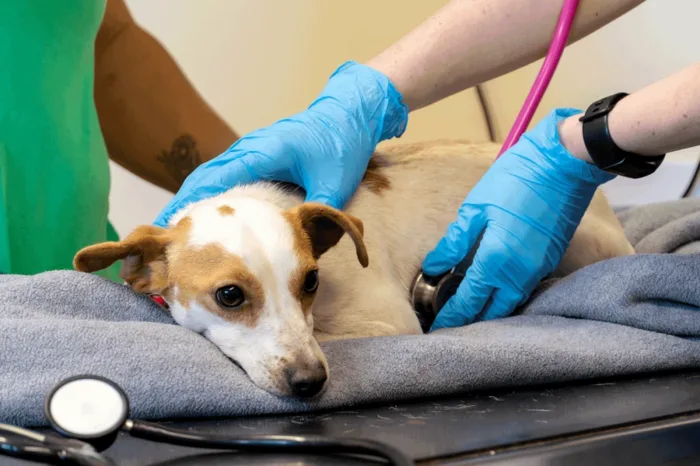
Cushing's disease is a hormonal condition caused by too much cortisol circulating in a dog's body. Cortisol is a hormone that the adrenal glands normally produce in carefully controlled amounts.
Read more
Veterinary surgeon
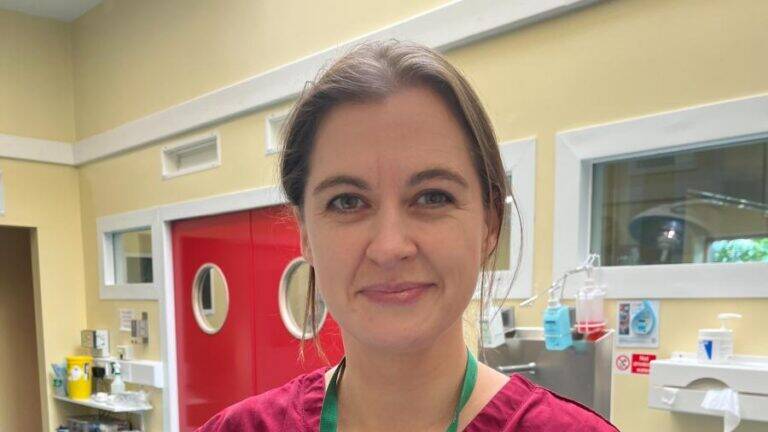
Laura Frost is a highly experienced veterinary surgeon who joined Woodgreen in 2020. Her role combines clinical care and teaching for the Royal Veterinary College (RVC) Shelter Medicine Programme.
Her journey into veterinary medicine was driven by a love for animals and a fascination with the complexities of their care. And it’s safe to say she’s seen her fair share of cases like this over the years at Woodgreen – helping countless pets in need.
Laura brings a wealth of expertise to the care we provide at Woodgreen. In 2022, she completed a Postgraduate Certificate in Veterinary Education (Pg Cert Vet Ed) and hopes to be awarded Fellowship of the Higher Education Association (FHEA). She is also involved in both preclinical and clinical teaching of veterinary students, including supervising Veterinary Anatomy & Physiology (VAP) and Veterinary Reproductive Biology (VRB), lecturing in Comparative Vertebrate Biology (CVB) and facilitating wildlife teaching for final year clinical students.
Laura’s interest in wildlife (particularly native hedgehogs) extends beyond her day job. She runs a small ‘rehabilitation and release’ facility from home, and has to date, released over 80 hedgehogs, 10 birds and 1 mole back into the wild!
Every pet who comes into our care has their own story, and that’s one of the things Laura loves most about the job:
“It’s always great to see pets that come in from difficult backgrounds come out of their shell and get the help they need. Each pet has a unique journey, and it's incredibly rewarding to be a part of their healing process and on their way to a new home."
Cushing's disease is a hormonal condition caused by too much cortisol circulating in a dog's body. Cortisol is a hormone that the adrenal glands normally produce in carefully controlled amounts.
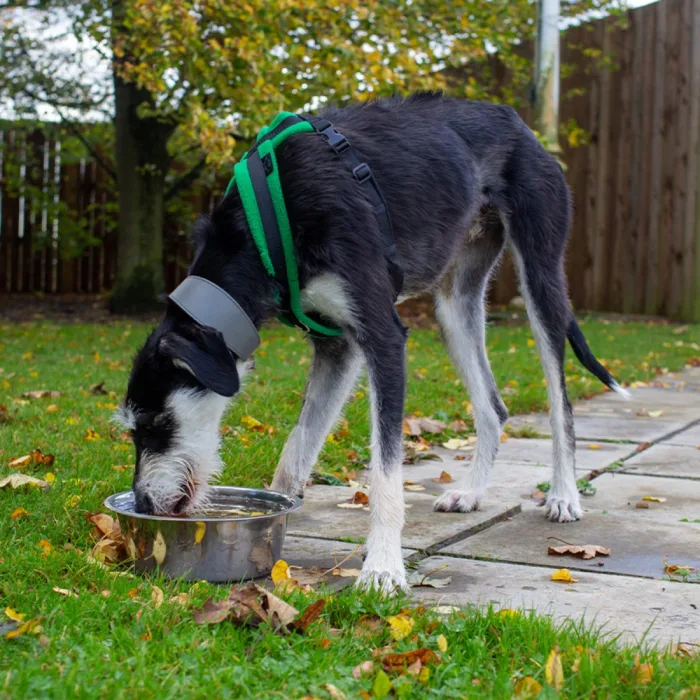
Dog diabetes can be managed with the right veterinary care and commitment from you to follow the correct feeding plan, medication and exercise.
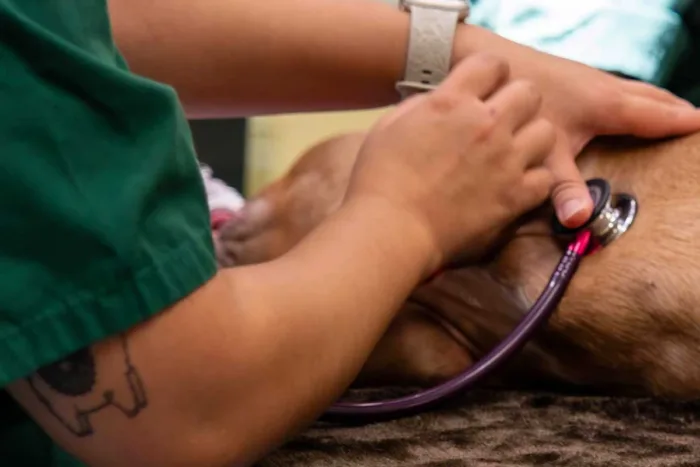
An intestinal blockage, also called a gut blockage is when something partially or completely stops food, liquid or gas from passing through a dog's digestive tract. It happens when a swallowed object gets stuck, though it can also result from other conditions.
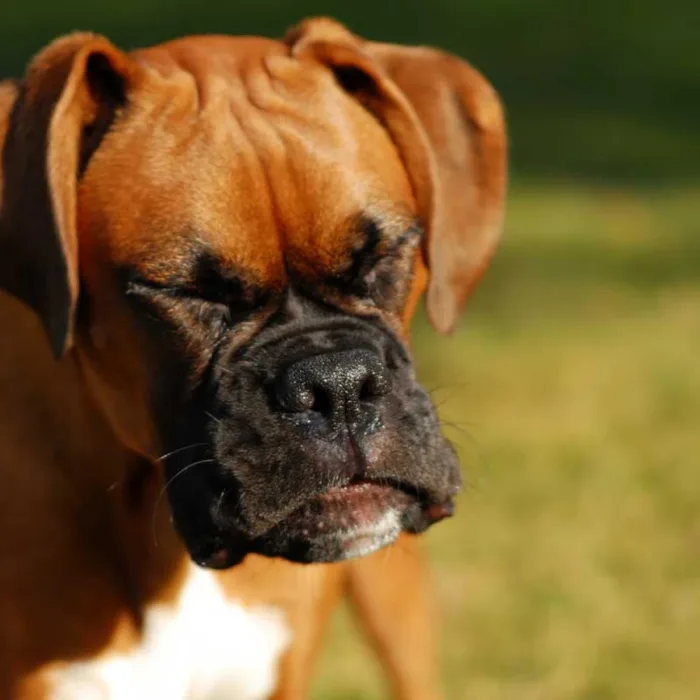
Reverse sneezing happens when a dog rapidly sucks air in through their nose, rather than pushing it out as in a normal sneeze. It often produces a loud snorting sound and can look a little like choking, even though it is nearly always harmless.
Constipation is a common problem in dogs. It happens when poo builds up in the colon instead of passing out normally, which makes it hard, dry and difficult to move. A dog with constipation will often strain to go to the toilet but produce very little, or nothing at all.