“Don’t wait until Bonfire Night”: Woodgreen urges owners to prepare for fireworks now
Woodgreen warns that waiting until the bangs begin is too late to help pets cope with one of the most frightening times of the year.
Fireworks can cause significant fear, anxiety and distress in dogs, cats and small pets, with potentially devastating consequences. Panicked animals may attempt to escape, injure themselves or react unpredictably to sudden loud noises, putting both themselves and those around them at risk.
Unlike people, pets cannot understand where the sudden loud sounds, flashes of light and vibrations are coming from. They also cannot rationalise that they do not pose a threat nor know when they are going to stop.
Woodgreen’s behaviourists say that helping pets to cope with fireworks should begin weeks in advance of 5th November.
“Prepare early,” encourages Woodgreen Behaviour and Training Specialist Lindsay Arliss. “Starting now gives you time to consider the support your pet needs and gradually introduce practical changes.
“Every pet is different, so one of the most useful ways to prepare is to think back to how your pet reacted last year; that behaviour tells you what they need to feel safe and reassured this year.
“And don’t forget to check that your pet’s microchip details are up to date. This gives you the best chance in being reunited with should they panic, escape or become lost.”
How to prepare your pet for fireworks
For dogs
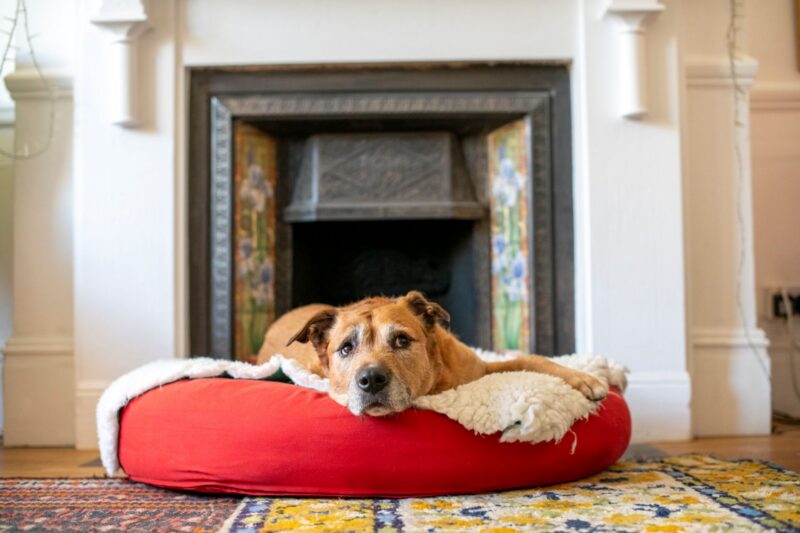
Dogs experiencing fireworks-related stress may pant, pace, become restless, seek comfort, shake or hide.
If your dog has found fireworks distressing in the past, now is the time to seek support from a qualified behaviourist who can assess your dog’s individual response and develop a plan tailored to their unique needs.
It is also important to speak to your vet, particularly if your dog has developed a new fear of fireworks, their reaction has become more severe or their general behaviour has changed. Pain and other underlying health problems can influence how a dog responds to noise, so a health check can identify any issues that may be contributing to their distress. Your vet can also advise whether medication may be appropriate as part of your dog’s care plan.
At home, you can prepare a safe retreat well in advance. Introducing a den or quiet area now gives your dog the choice to spend time there and to build positive associations with the space.
For cats
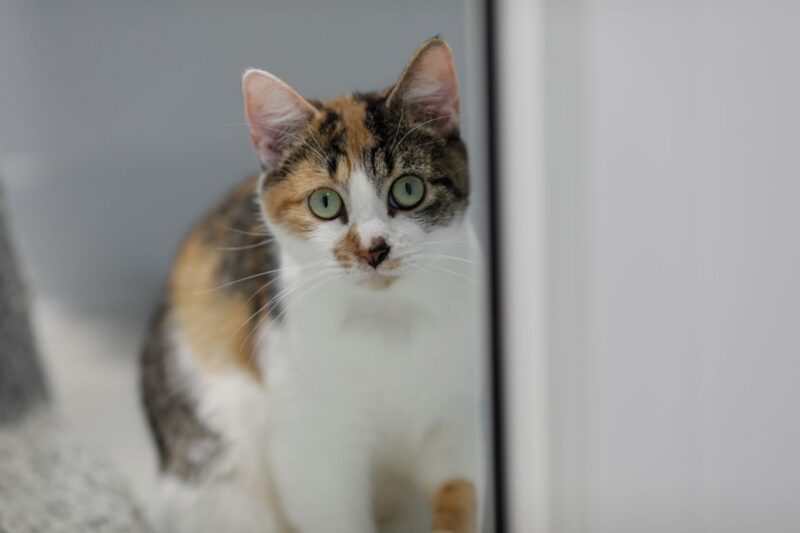
Cats show fear by becoming quieter and less visible by hiding or withdrawing, refusing food, retreating from familiar people, freezing or crouching low to the ground. Owners shouldn’t assume a quiet cat is coping.
Calming products should be introduced weeks before fireworks season, while new hiding places – including elevated options – should be made available in advance.
Familiar, continuous background sounds, such as calming music, the radio or television, can help reduce the contrast between sudden bangs and the normal sounds of the home. Introduce these calming sounds in advance so they become part of your cat’s familiar environment, keep the volume at a comfortable level and avoid programmes or music with sudden or unpredictable noises. This background sound won’t mask loud bangs, but it make the change in the surrounding noise less abrupt.
On the night itself, bring cats with outdoor access inside before dark, close curtains and blinds, and provide an indoor litter tray close to their preferred hiding spot so they don’t have to venture far when feeling vulnerable. If they choose to hide, don’t coax them out; instead, give them the space to emerge when they feel ready. For cats that normally live outside – such as farm or stable cats – they may be more stressed by suddenly being confined in unfamiliar surroundings, so instead ensure they have access to suitable, secure shelter.
For rabbits, guinea pigs and other small pets
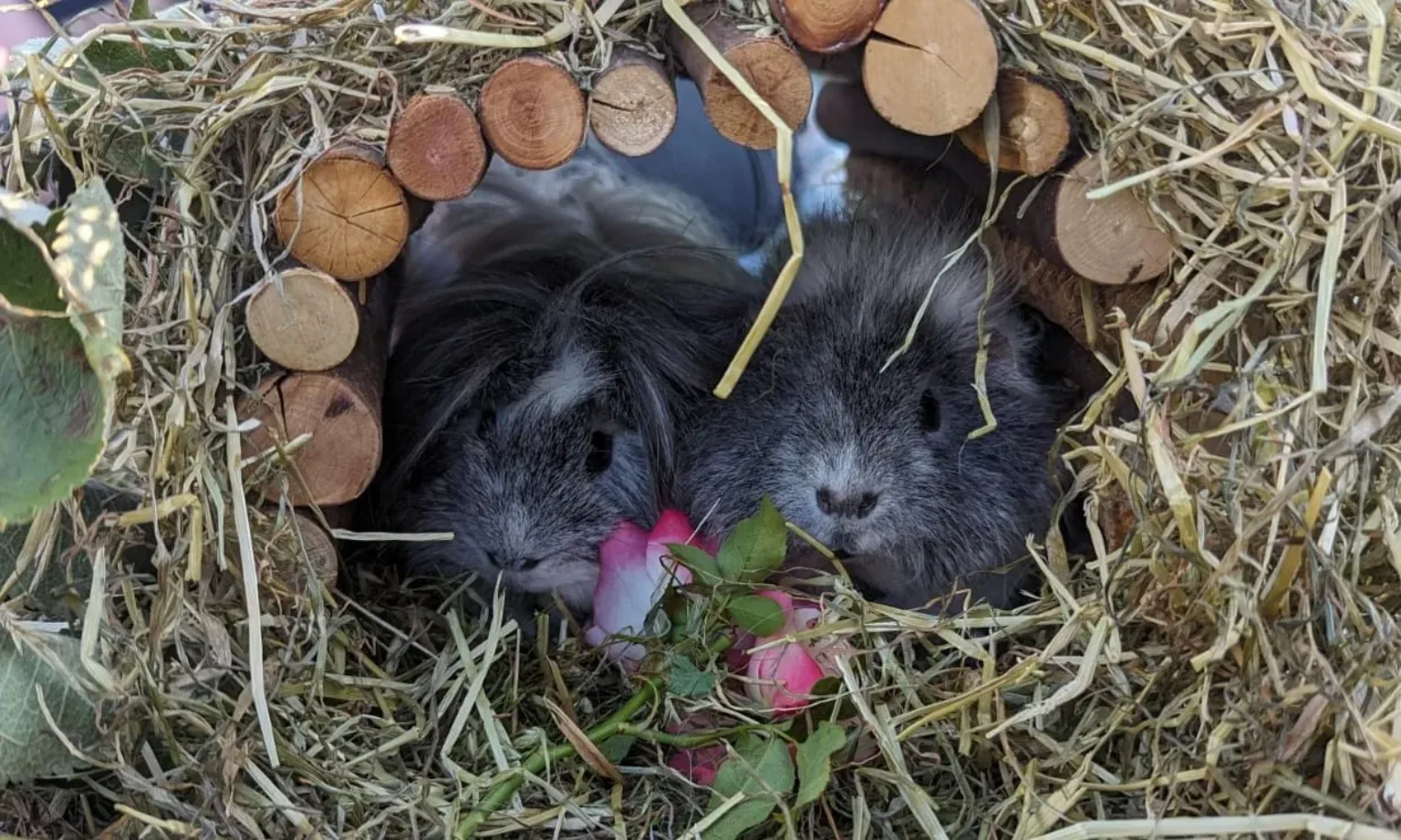
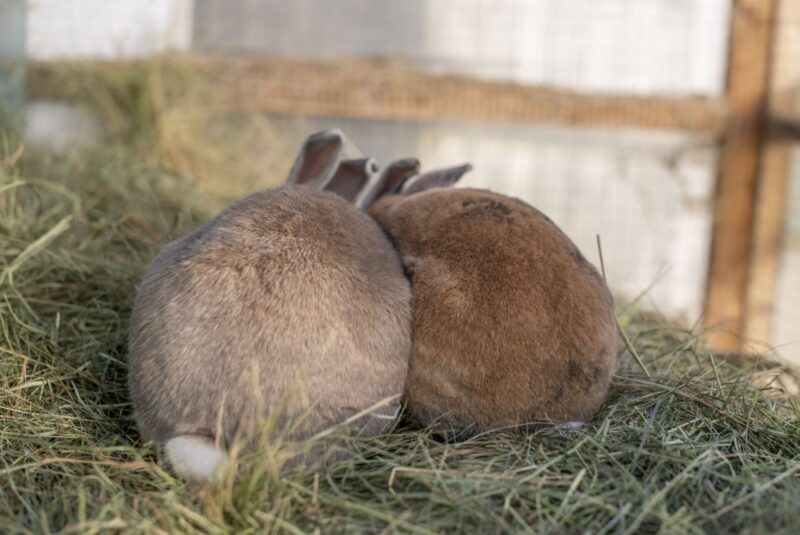
Fear can be particularly difficult to detect in small pets, so it is important to know what normal behaviour looks like for your pet and carefully observe any changes. As prey animals, they may respond by freezing, hiding or becoming unusually still. They may also become more withdrawn or lose interest in food.
Bringing outdoor rabbits or guinea pigs into the house on Bonfire Night may cause unnecessary stress. Instead, prepare their usual accommodation in advance with additional hiding places and bedding to provide a choice of retreats. Familiar foraging activities can help keep small pets occupied, while a thick blanket placed over a section of the outdoor enclosure can muffle noise and dim flashes. Avoid completely covering the enclosure to maintain ventilation.
“Preparing for fireworks now gives owners options”, explains Lindsay. “You can create safe spaces, make gradual changes or seek professional advice. If you wait until the fireworks start, you’re largely managing your pet’s fear rather than giving them the support they need to cope.”
Woodgreen welcomes Government consultation on quieter fireworks
Woodgreen welcomes the Government’s consultation on changes to fireworks regulation, including proposals to restrict the sale to and use of louder fireworks by the public.
The charity supports measures that could reduce the distress fireworks can cause to pets, wildlife and to people. These include the sale of lower-volume or silent fireworks and the switch to drone displays as an alternative.