Pet advice
Free pet advice written by our behavioural and pet support experts at Woodgreen.

What is flea allergy dermatitis and what to do
Flea bite hypersensitivity and flea allergic dermatitis are the most common skin diseases in pets. The saliva from the flea is believed to be the cause of the allergy or sensitivity.

How to cat proof your garden: fences and catios
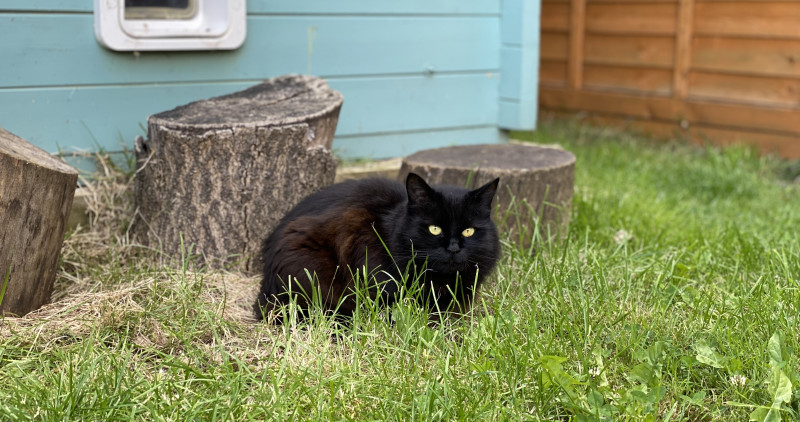
Cats love the outdoors, but if you are looking for peace of mind while they are out, cat proofing your garden by building a ‘catio’ or an enclosed garden will ensure that they can enjoy the outdoors, without being able to leave your garden.
Providing a suitable outdoor space for your cat
Providing some space outside for your cat will allow them to express their typical behavioural traits in a natural environment.

Cat behavioural traits
When it comes to your cat's behaviour, they may be trying to tell you how they're feeling.

How to keep cats enriched and entertained
Cats are very intelligent animals, and they can easily become bored! Here are some top tips to help keep them entertained – plus more useful advice.

How to spot if your cat has feline cystitis
Feline interstitial cystitis, sometimes called feline idiopathic cystitis or FIC, is an inflammation of your cat's bladder that causes symptoms of lower urinary tract disease.

Azotemia in cats
Azotemia is increased levels of waste products like creatinine and urea, which is normally found in their urine, in your cat's blood. It’s usually a sign of kidney failure and is reasonably common in older cats.
How to spot if your cat has cat flu
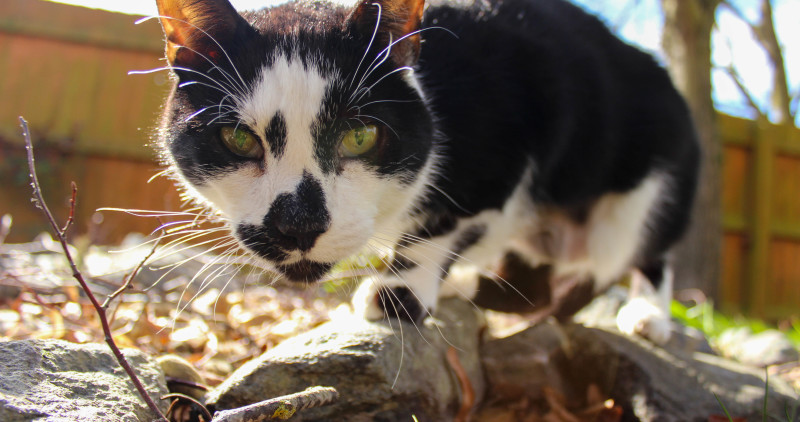
Cat flu is a term for upper respiratory infection and it’s a very common illness in cats. It’s highly contagious and while there’s no cure, there are things we can do to protect our feline friends. Spotting the symptoms is the first step.

Conjunctivitis in cats - what you need to know
Conjunctivitis is the inflammation of the moist tissues in cats’ eyes. It can cause their eyes to discharge fluid and other uncomfortable symptoms, leading to infection.

What plants or food are poisonous to cats?
It's important to provide a balanced diet for your cat. However, there are some foods and plants that can be dangerous for them if consumed.
How to spot if your cat has bordetellosis
Bordetellosis is a contagious bacterial disease in cats which causes upper respiratory tract abnormalities.
Has my cat got kidney disease
Chronic Kidney Disease (CKD) occurs in older pets, particularly cats, where there is long-standing, irreversible damage to their kidneys. This reduces the kidneys’ ability to function and remove waste products from their blood.