Pet advice
Free pet advice written by our behavioural and pet support experts at Woodgreen.
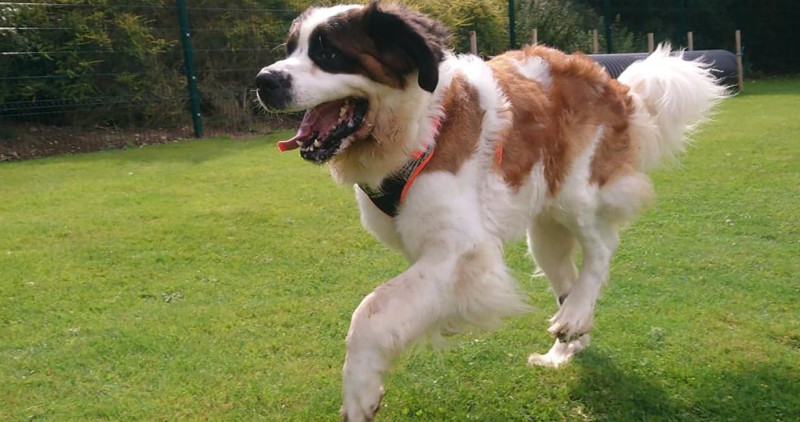
How to spot if your dog or pet has a cruciate ligament (ACL) injury
If your pet has twisted or strained their knee when jumping or landing awkwardly, their cruciate ligament can rupture or tear. It can also occur in overweight animals and some breeds are predisposed to the condition.

What to do if your pet is constipated
If your pet is constipated they won’t be able to go to the loo properly. The most common causes of constipation are dehydration and a gradual loss of muscle tone in the colon, which makes it difficult for your pet to poo.
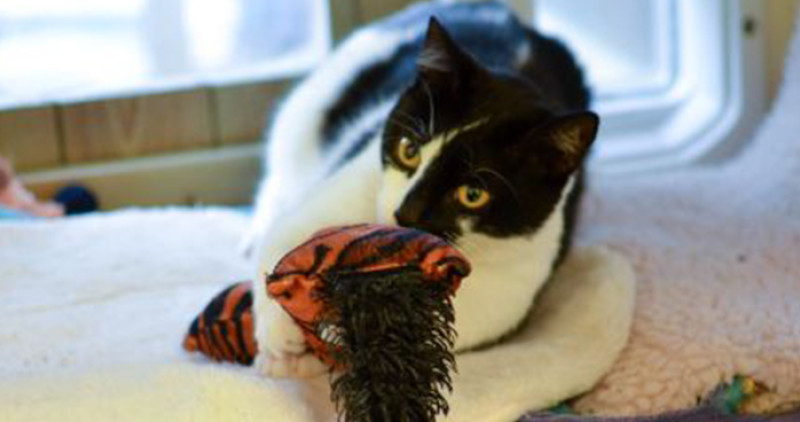
Make your own cat kicky pillow toy
Make your own cat kickaroos, with our simple guide. All you need is some material, cat nip and a sewing kit.

Caring for your pet after you've gone
Have you considered what will happen if your pet outlives you? Woodgreen can help

When to put my dog to sleep
Saying goodbye to your canine companion can be extremely upsetting. If you’re unsure whether it’s the right time to put your dog to sleep, we can help.

Make your own: paper-craft guinea pig
Looking for something to build while at home? Our origami guinea pig is a fun project for both adults and children!

Make your own: hamster and gerbil hotels
We all love to treat our pets and keep them happy. If you are looking to give your gerbils and hamsters a special something, then follow our steps to create some cheap and easy hamster and gerbil hotels!

Guinea pigs and Covid-19
Even though we're in the midst of a coronavirus pandemic, your guinea pigs won't know what’s going on in the big wide world.
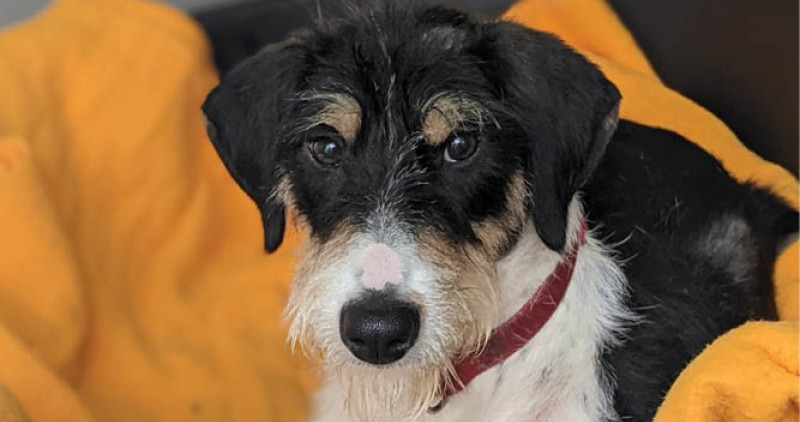
How to ensure your dog always comes back
There’s nothing better than watching your dog run around an open space, knowing if you call them back they will come willingly.

How to calm an overstimulated dog
It’s surprisingly common for owners to experience behavioural issues as a result of their dog being overstimulated.
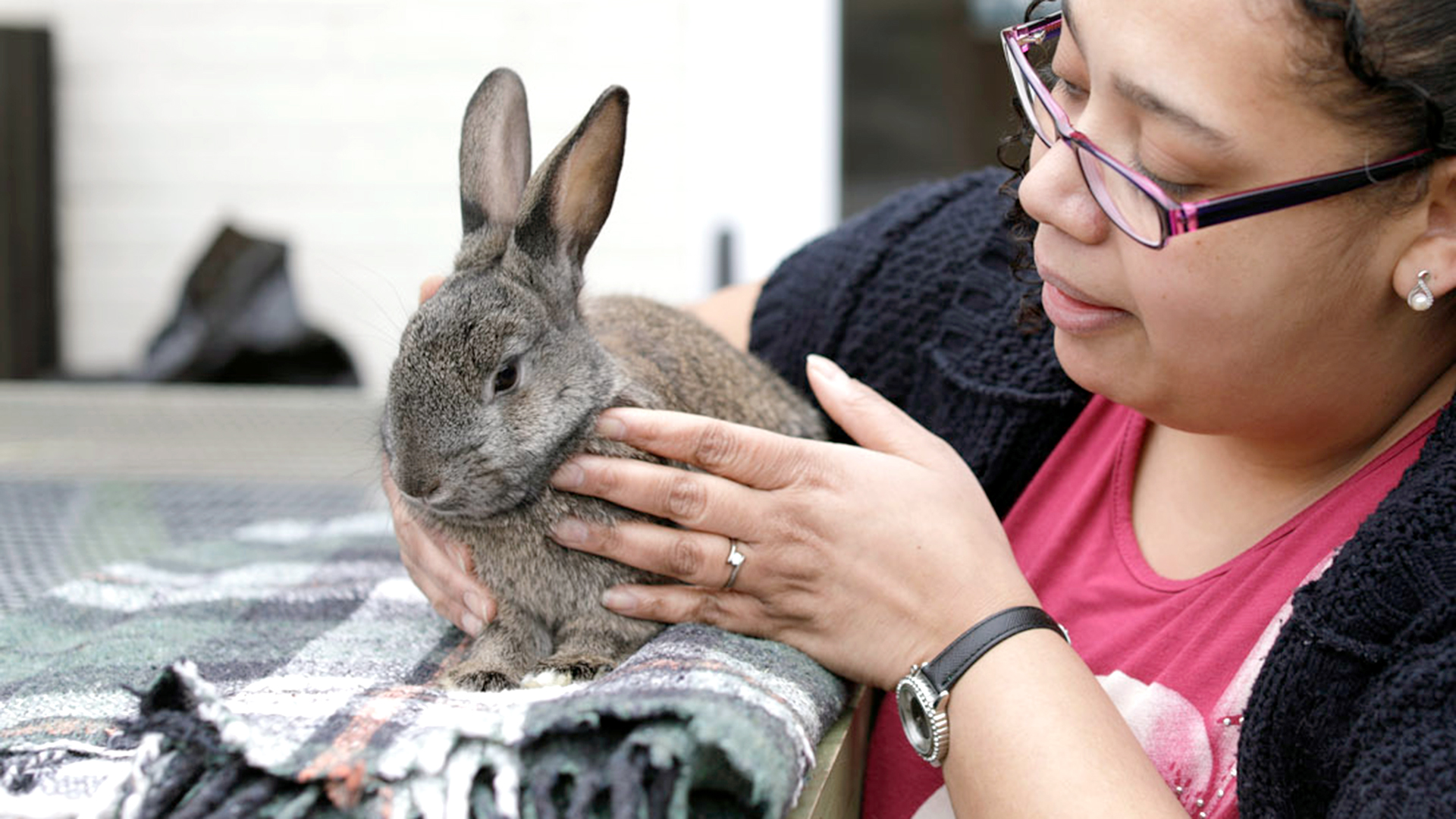
How to spot rabbit dacryocystitis (rabbit weepy eye)
Blocked tear ducts (Dacryocystitis) is an abnormal flow of tears from your rabbit's eyes.

How to spot feline calicivirus (FCV) in cats
Feline calicivirus (FCV) is a common respiratory disease in cats.