What parasites can cats get?
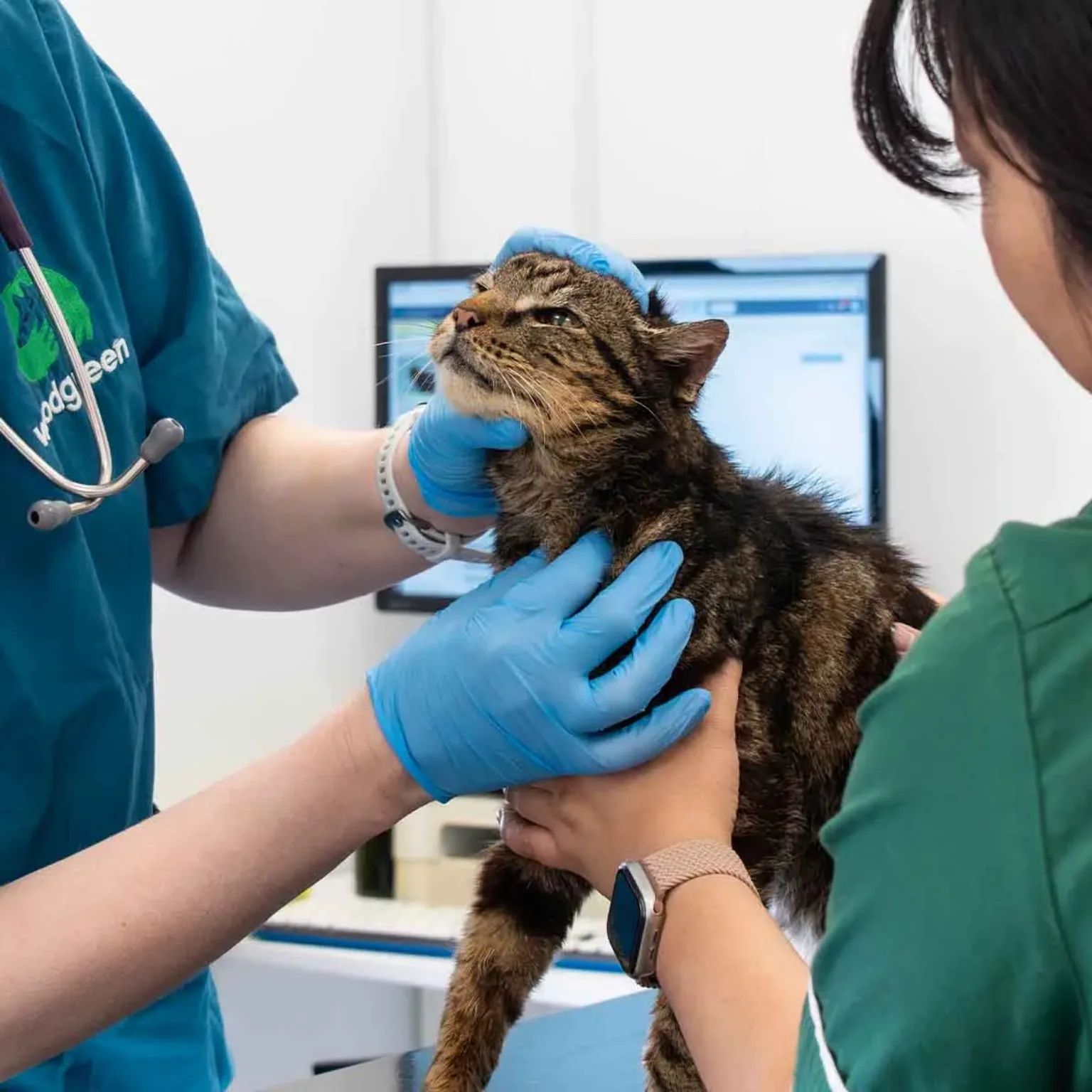
The most common parasites in cats are fleas, ticks, ear mites, roundworm and tapeworm. Of these, fleas are the most common and most cats will pick them up at some point. Fleas cause itching and skin soreness, and in kittens a bad infestation can make them seriously unwell. Ticks are less common but can carry disease, so it is important to remove them carefully and quickly if you find them on your cat.
How can I tell if my cat has parasites?
Symptoms vary by parasite, but common signs include:
- Excessive scratching, grooming or head shaking
- Hair loss or sore, irritated skin
- Tiny dark specks in the coat (flea dirt), or visible small, white segments near the tail (tapeworm)
- Brown, waxy discharge from the ears, or constant ear scratching
- Weight loss (or a pot-bellied appearance in kittens)
- Worms visible in faeces or vomit
- Lethargy (severe lack of energy) or a general loss of coat condition or body weight
Cats can carry some parasites without obvious symptoms, so regular checks are worthwhile. Our guide to fleas and ticks has more detail on how to check your cat at home.
What about ringworm?
Despite its name, ringworm has nothing to do with worms. It’s actually a fungal infection of the skin, and it gets its name from the round, patchy marks it leaves. You may notice circular areas of hair loss, flaky or crusty skin, usually around the head, ears, or paws. It spreads easily between animals and can also pass to humans, so it’s important to get it treated quickly.
Your vet will usually prescribe an antifungal medicine and a special shampoo, with treatment usually taking several weeks. The fungus can live on surfaces and bedding for a long time, so cleaning your home thoroughly – not just treating your cat – is an important part of getting rid of it. The PDSA’s ringworm advice for cats covers diagnosis and treatment in full.
Can cat parasites affect humans?
Some cat parasites are zoonotic, meaning they can pass to humans. Toxocara cati (roundworm) can in rare cases cause serious illness, including vision problems. Toxoplasma gondii, which is shed in cat faeces, poses a particular risk during pregnancy – pregnant women should avoid changing litter trays, or always use gloves and wash their hands thoroughly. Ringworm can also spread to humans through direct contact. If anyone in your household develops unexplained skin symptoms, contact your GP and inform them of your cat’s history of parasites and/or infections.
Treatment and prevention
Most parasites respond well to vet-recommended treatment. Spot-on treatments, tablets, and collars are all available, and many cover multiple parasites at once. Prescription treatments that are either supplied or prescribed via a written prescription by vets are generally more reliable than over-the-counter alternatives. Never apply dog flea treatments to a cat – many contain permethrin, which is highly toxic to cats. For more guidance on choosing the right product, see our cat care and health advice.
For fleas and ear mites, treating your home alongside your cat is essential, as larvae and eggs can survive in carpets and bedding for months. Household flea sprays are effective but must never be applied directly to animals.