PAGE
Adopt a rescue cat
Learn more about our cat adoption process, and apply to adopt one of our rescue cats
Read more about 'Adopt a rescue cat'
Feline Immunodeficiency Virus (FIV) is a viral infection of cats that occurs worldwide.

FIV in cats is a lifelong viral infection of the immune system that occurs worldwide. The virus affects the cells that protect the body from illness. It is a cat-specific disease. It cannot be spread to people, and there is no risk to anyone in contact with an FIV-positive cat.
The virus only affects cats, so there’s no risk of infection for people or other species in contact with FIV positive cats.
An FIV-positive cat will remain infected with the virus for life. After a period that may last several years, the virus may damage the cat’s immune response and lead to signs of disease. Infected cats who receive supportive medical care, a good diet and are kept in a stress-free environment can live comfortable lives with a normal lifespan.
FIV is most commonly passed between cats through bite wounds, or occasionally through mating. Male cats that are not castrated tend to roam further and fight more, which increases their risk. A mother cat infected with FIV can potentially pass the virus on to her kittens.
It’s worth knowing that everyday contact such as grooming, sneezing, and sharing food bowls or living spaces is considered unlikely to spread many cases of FIV between cats, as the virus does not survive for long outside of the body and needs to enter the bloodstream.
Many cats with FIV show no signs at all, particularly in the early years, as the virus can lie dormant for a long time before symptoms appear.
Initial symptoms include loss of appetite, fever, lethargy, diarrhoea, swollen lymph nodes and a low white blood cell count. Cats become listless, stop grooming themselves properly and are more prone to picking up other infections.
Cats often recover and show no symptoms for months or even years, but remain lifelong carriers of the virus during this time.
As the immune system struggles to keep up, more persistent signs emerge, slow or steady weight loss, recurring fever, inflammation of the mouth and gums, sore or smelly mouths, drooling, a poor coat from lack of grooming, ongoing diarrhoea, and toileting changes. Secondary infections also become more frequent and increasingly resistant to treatment.
Many owners worry that an FIV diagnosis will significantly shorten their cat’s life, but this isn’t necessarily the case. Not all cats will go on to develop serious symptoms, and many infected cats maintain a healthy lifestyle for years.
FIV-positive cats who receive supportive medical care, a good diet and are kept in a stress-free environment can live comfortable lives with a normal lifespan.
Regular vet check-ups are especially important to catch any secondary infections early and keep your cat in the best possible health.
Your vet can diagnose whether your cat has the FIV infection using a blood test.
An FIV-positive cat with no additional illnesses needs much the same day-to-day care as any other healthy cat, but a few extra precautions can help protect their weakened immune system.
Treatment itself focuses mainly on extending the symptom-free period or, once symptoms do set in, on easing the secondary effects and infections of the virus.
There is currently no specific cure for FIV, and no vaccine is available. Treatment focuses on managing any illnesses that arise as a result of lowered immunity, and on keeping your cat as healthy as possible for as long as possible.
Make sure you review the clinical history of your new cat and ask for more details on how his particular case of FIV has been treated. Every FIV cat rehomed from Woodgreen will be assessed and rehomed to a suitable environment for their welfare as well as those in the areas they are being rehomed to. Any cat who’s had treatment is likely to have pet insurance exclusions, so it’s worth discussing potential ongoing costs with your vet.
Learn more about our cat adoption process, and apply to adopt one of our rescue cats
Read more about 'Adopt a rescue cat'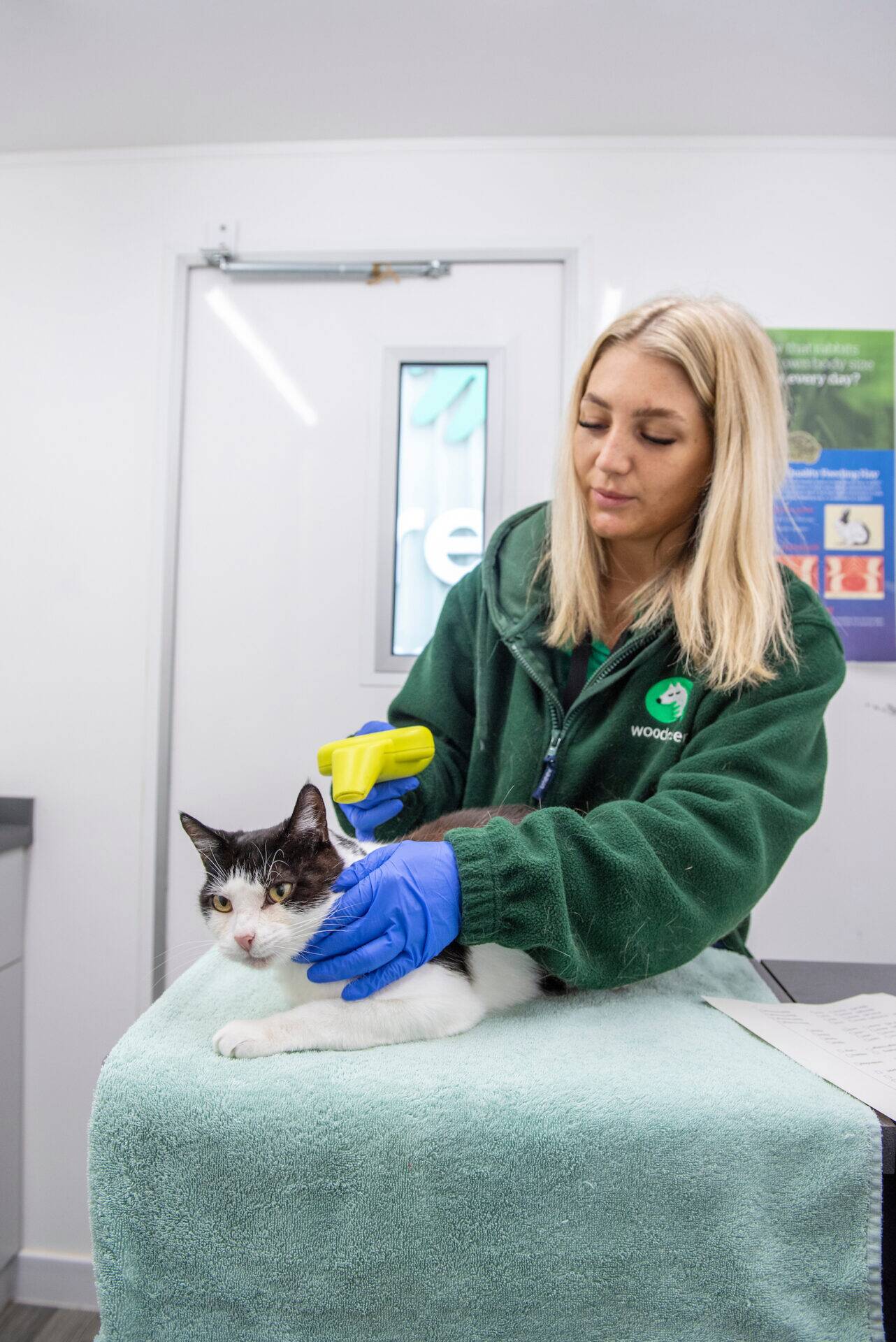
Woodgreen Pets Charity is raising the alarm at the number of stray cats still arriving at its Cambridgeshire centre without microchips – a year after it became a legal requirement to microchip a cat.
Read more about '65% of stray cats arriving at Woodgreen still not microchipped'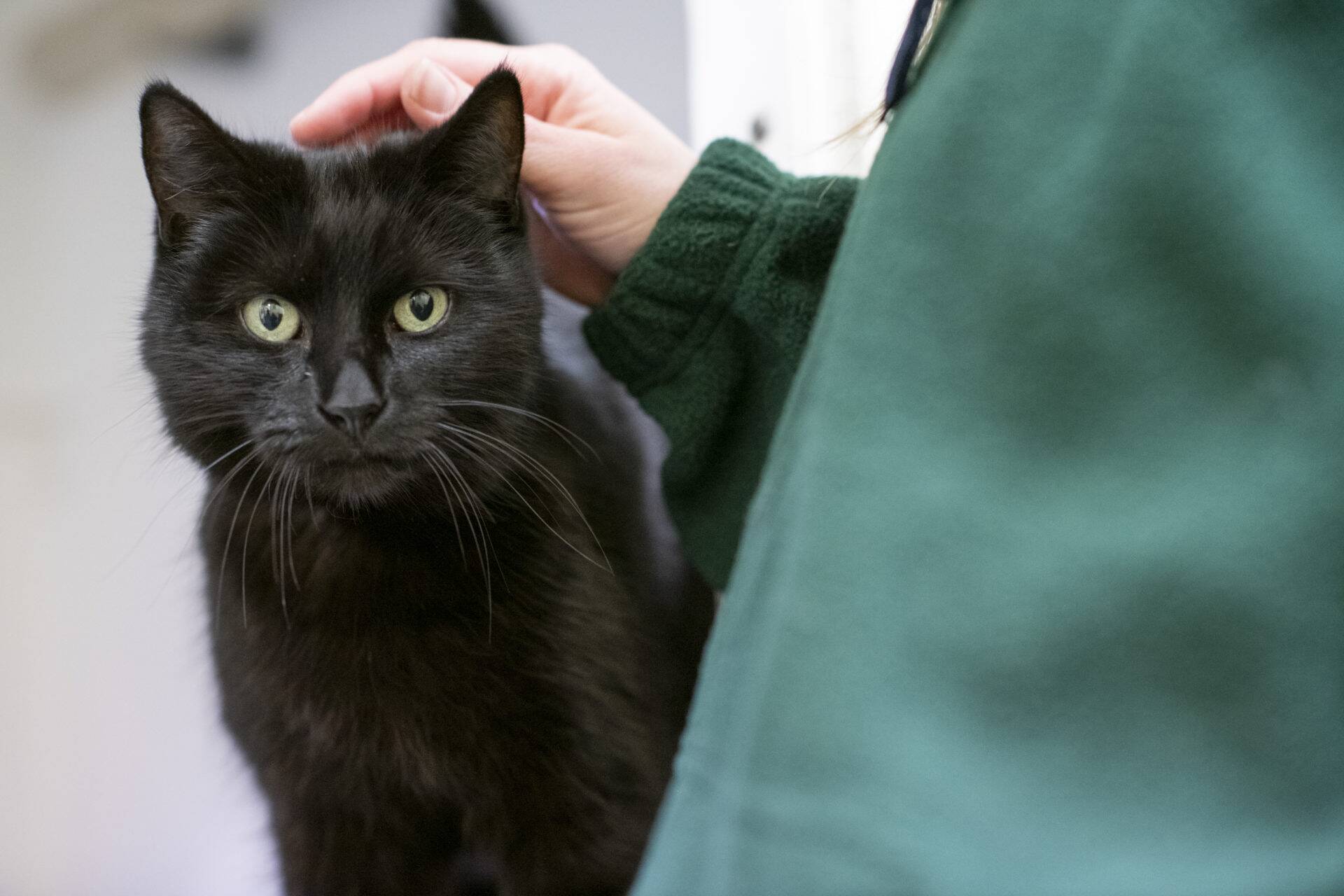
It’s important to regularly health check your cat to ensure they’re in tip-top condition. Here are some simple checks you can do to make sure they're happy and healthy.
Read more about 'How to check your cat’s health at home: a full healthcare guide'