
ADVICE
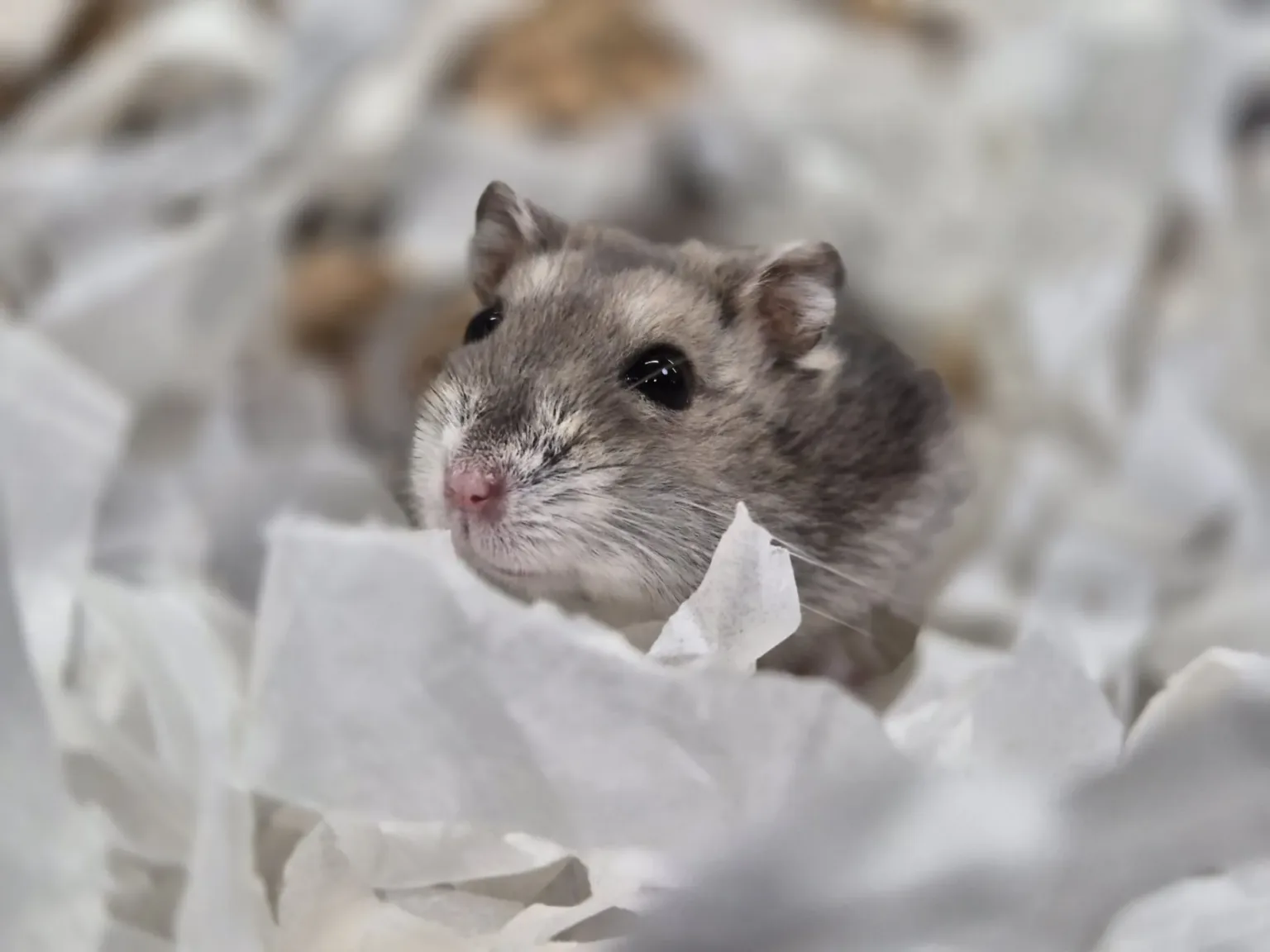
So, you’re thinking about getting a hamster?
If you’re thinking about getting a hamster, there are few different species to consider – from the Syrian (most common and largest), Winter White and Campbell’s, to the Chinese and Roborovski. You can read more about them later in the guide.
Hamsters are fascinating pets for families and single pet owners alike. They all have individual characters and love exploring their surroundings. And with time and patience, they can even enjoy being handled and fed by hand.
These are the largest species and can be easier to handle because of their size.
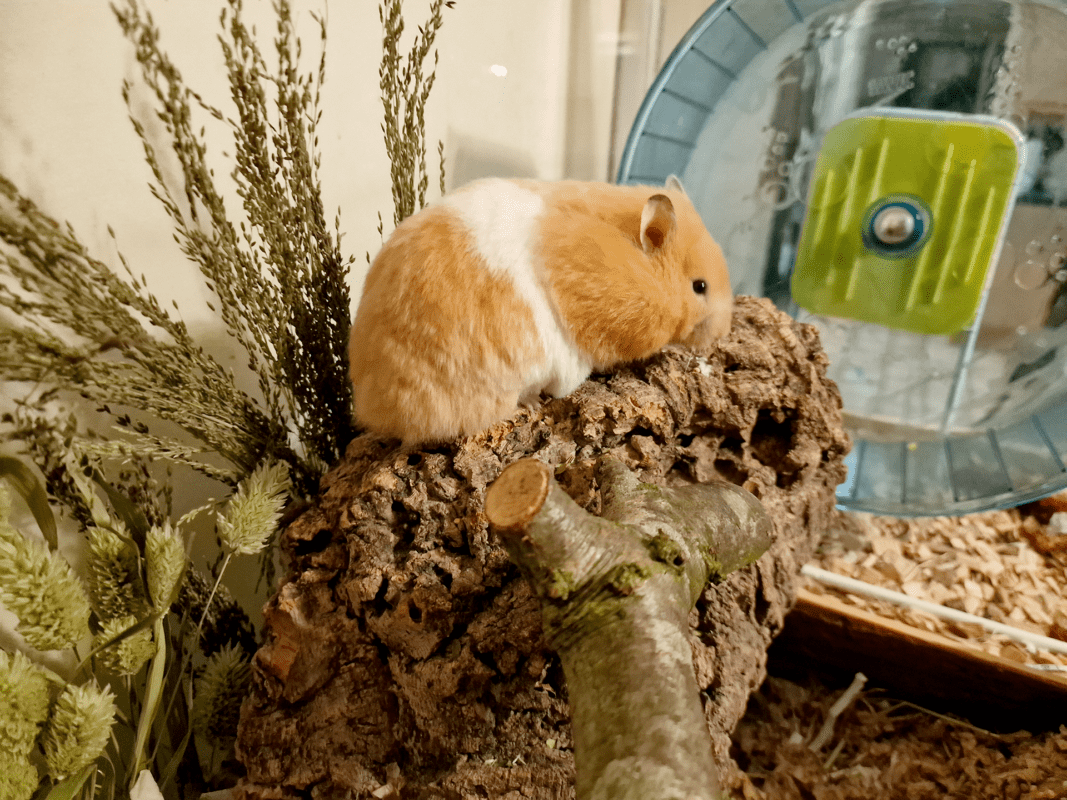
A Syrian hamster
Once well socialised, they can be family-friendly. They’re slightly smaller than the Syrian hamster and also have a longer tail than other hamster species.

A Chinese hamster
At one to two inches in length, these are the smallest species of hamster. They’re very fast and can be quite difficult to handle, which makes them unsuitable for regular handling, especially by young children.
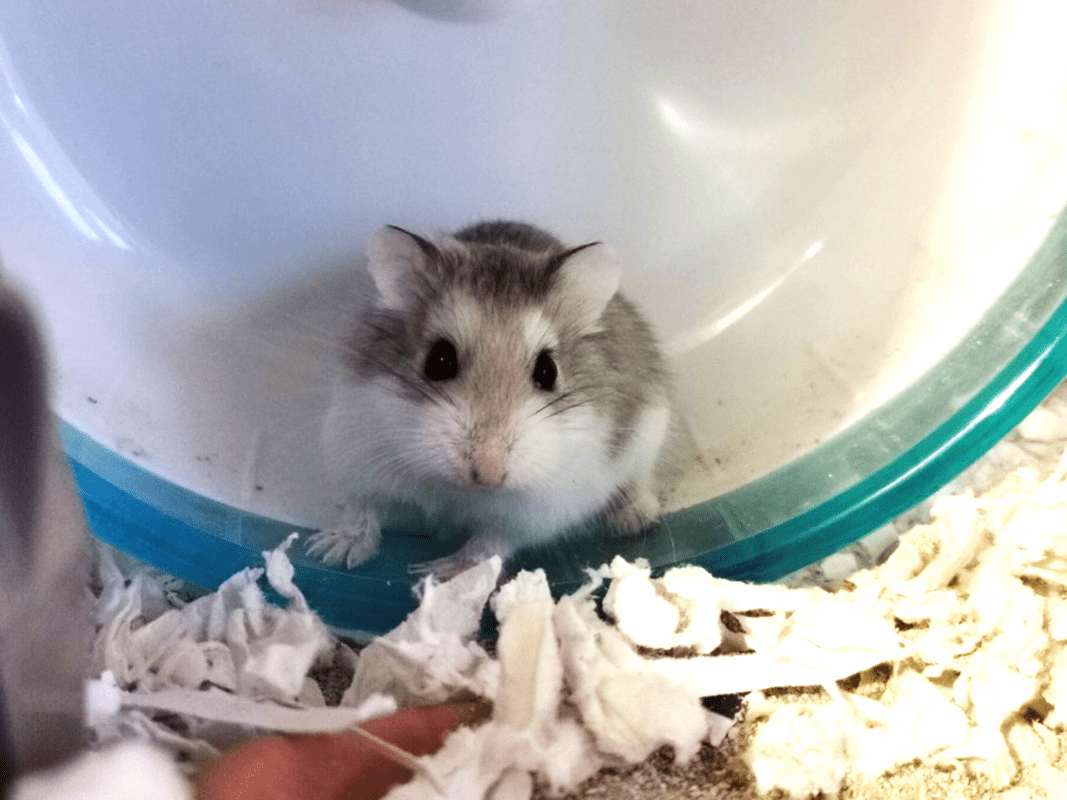
A Roborovski hamster
A great choice for families after they’re socialised, being smaller than a Chinese hamster. These are usually a hybrid between a Winter White and Campbell’s, unless purchased with a pedigree from a reputable breeder.
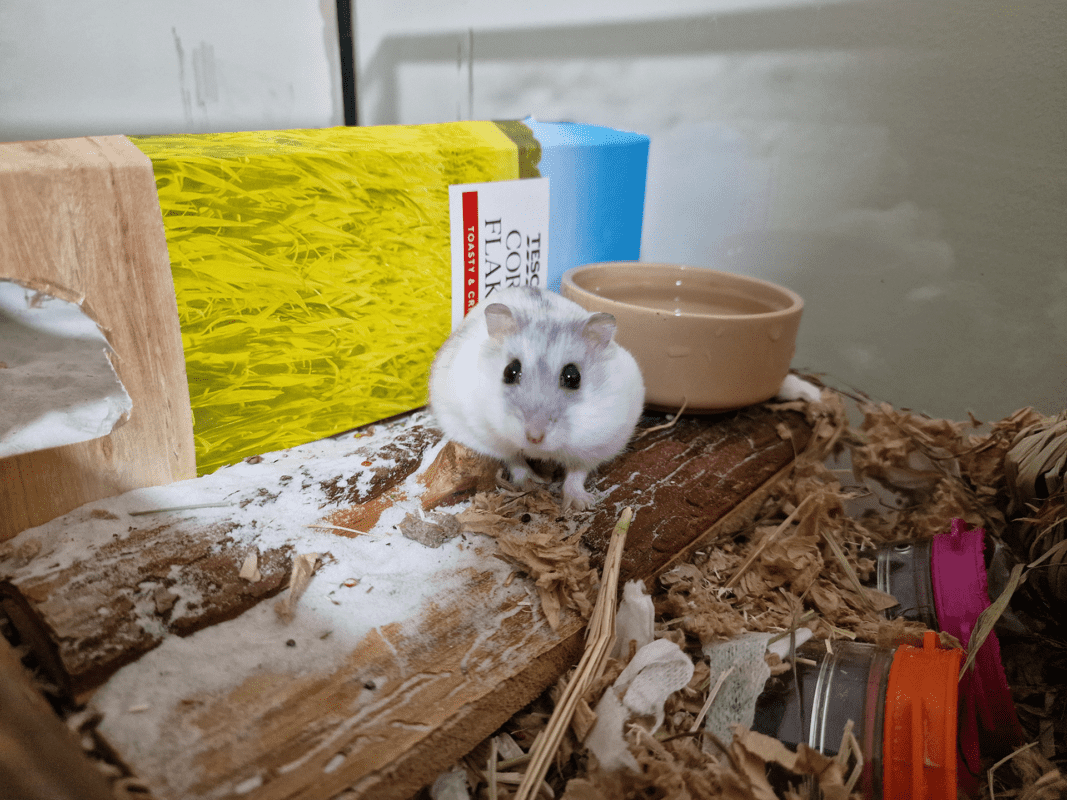
A dwarf hamster
Hamsters may be smaller than your average pet, but you might be surprised by how much energy they have! They love to keep busy and will spend hours foraging for food and burrowing, as well as creating new territories and hides. And this means they need plenty of space to live their best life.
*Female Syrian hamsters tend to be more energetic and active, and may need a larger enclosure to keep them happy.
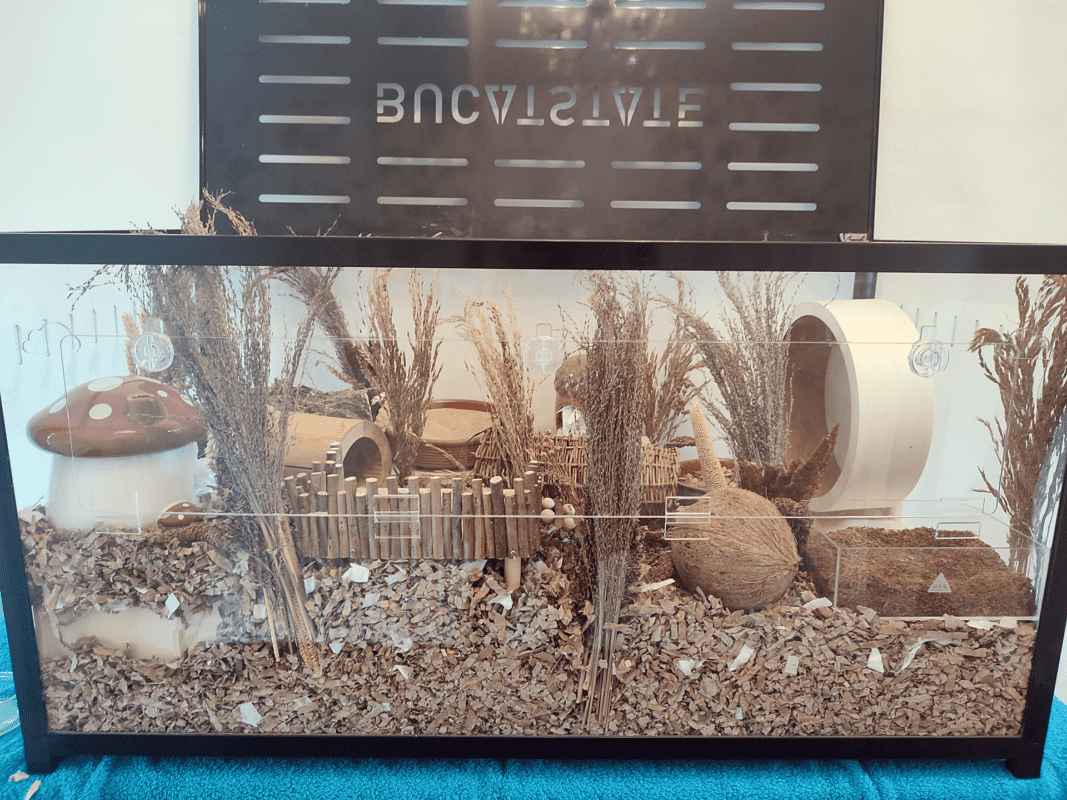
A tank suitable for Syrian and Chinese hamsters
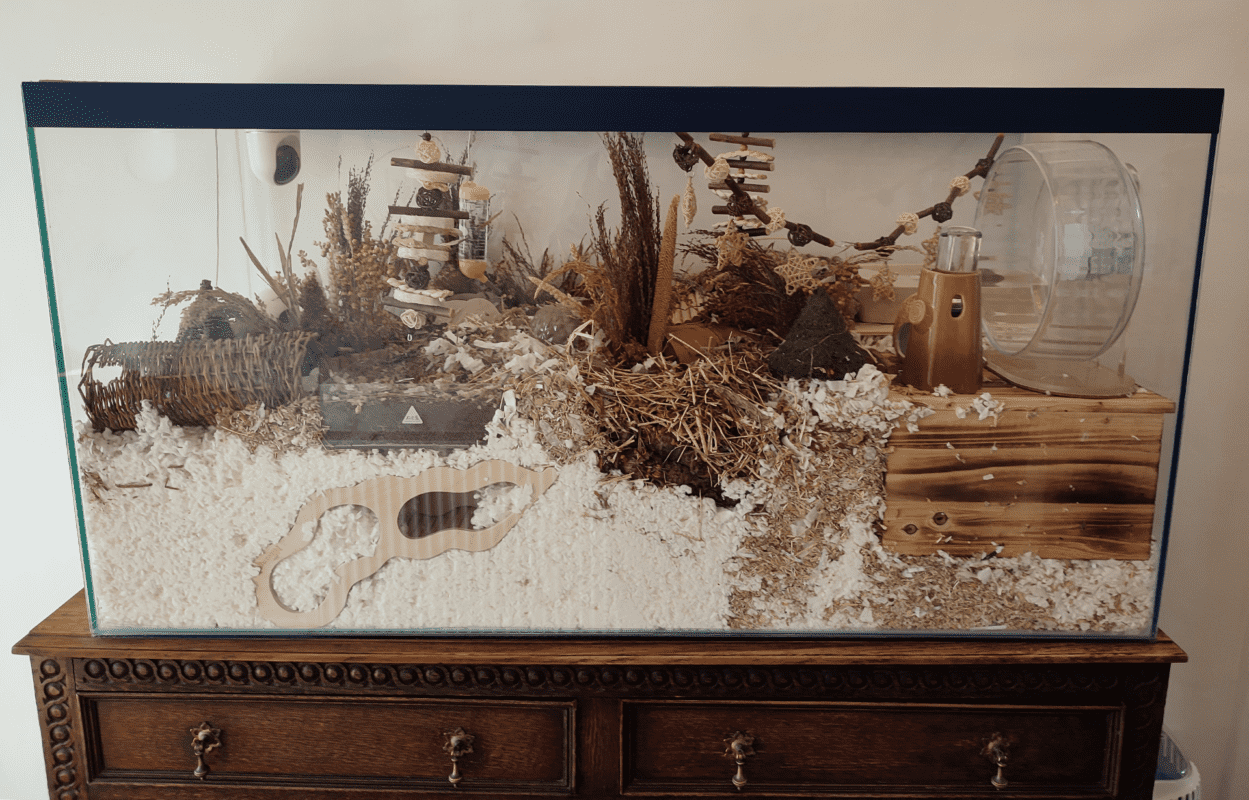
A tank suitable for Dwarf and Roborovski hamsters
When you’re choosing a location for your hamster enclosure, make sure it’s:
Did you know? In the wild hamsters can travel miles each night gathering food which they carry back to their burrow in their pouches.
It’s important to use the correct bedding for your hamster, otherwise it could have a negative effect on their health.
Wood shavings or sawdust can be extremely harmful to a hamster’s skin and airway, and it can give us humans an allergic reaction too!
Hamsters in the wild spend a lot of time underground digging burrows. With our pet hamsters, it’s also important for them to be able to display this natural behaviour. To do this, they should have a minimum of six inches of bedding placed throughout the majority of their enclosure.
They should also have a deeper digging space of at least 10 to 12 inches (25 to 30cms), to enable them to create larger burrows and nests.
| Base of cage options | Nesting/digging space |
| Use a couple of the options mixed together for absorbency and stability.
| Options that hold burrows well:
|
*Avoid cotton wool types of bedding and ‘seed pod’ bedding as this can be very dangerous for your pets. It can cause pouch prolapses, intestinal blockages and can get tightly wound around their body and legs.
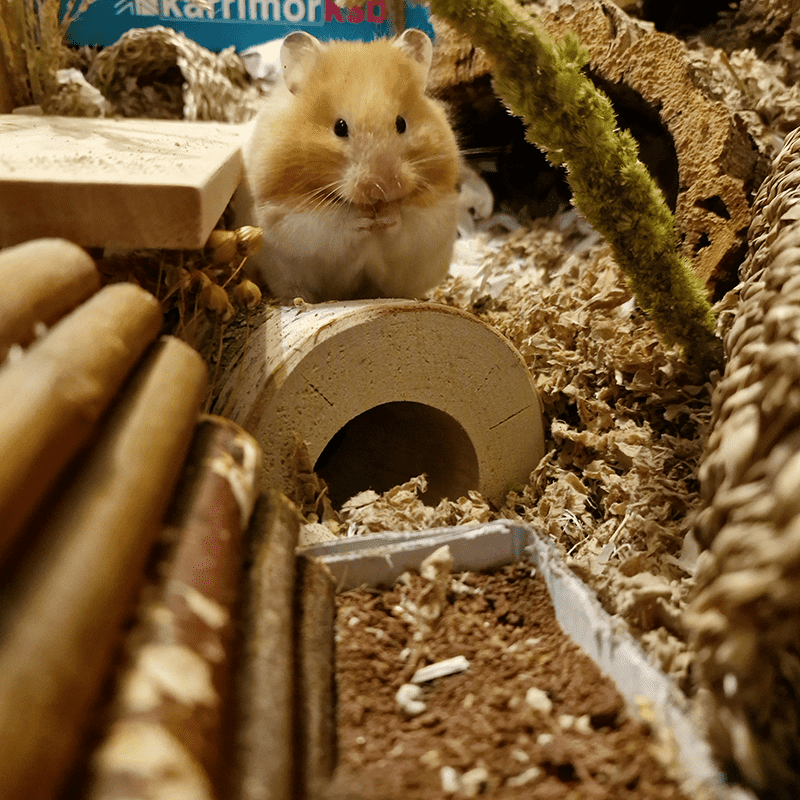
Syrian hamster sat on a wooden tunnel in an enclosure filled with soft paper bedding
Hamsters are known for sleeping a lot, but they certainly make the most of their waking hours, packing in an impressive amount of exploring, foraging and digging! So make sure you provide your hamster with toys and activities to keep them fit, healthy and happy.
Your hamster will enjoy:
We do not recommend using exercise balls for any pet. These can be disorientating and remove access to drinking water. Your pet can also get their toes/feet caught in them. However, you can use exercise balls as a hiding space in the cage by removing the lid and filling it with soft tissue bedding.
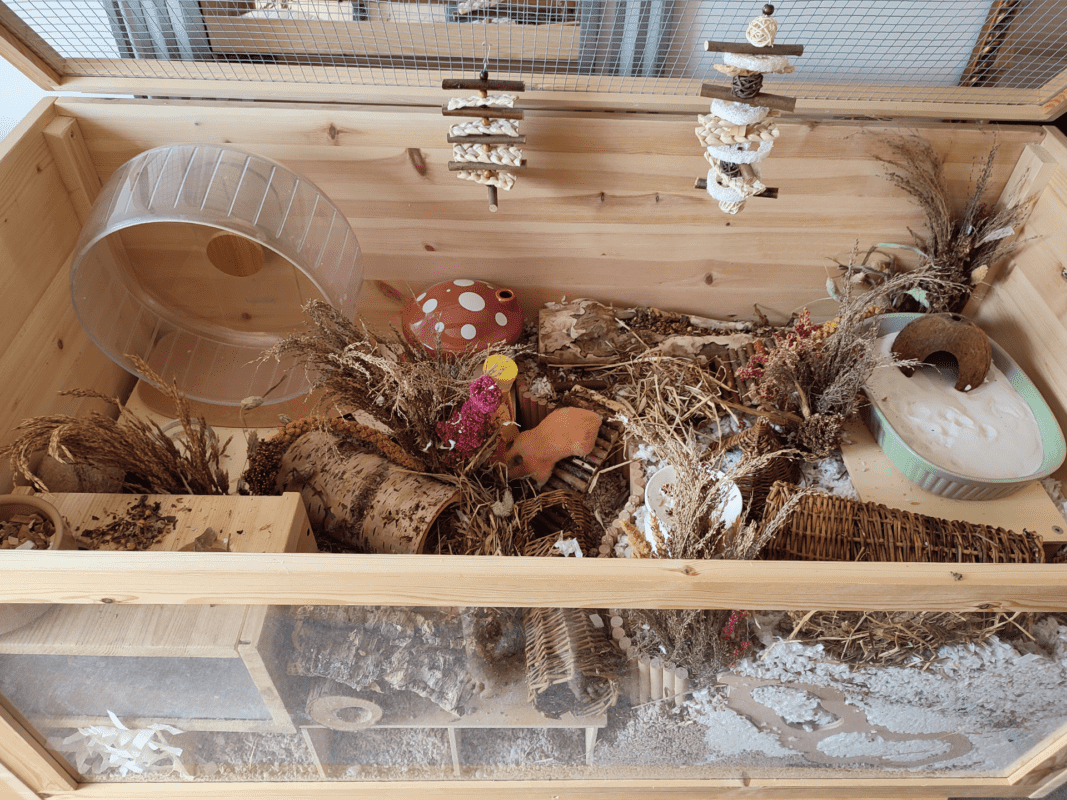
Syrian enclosure filled with deep bedding, a wheel, sand bath, tunnels, hides and seed sprays
Keeping your hamster cage clean is key to preventing serious health conditions such as respiratory problems.
*Place any large and heavy toys into the cage first, before the bedding. This will help to prevent them moving or falling and potentially harming your hamster, if placed on top.
Keep as much of their clean used bedding as you can in their enclosure – this will help to minimise stress when placing your hamster back in.
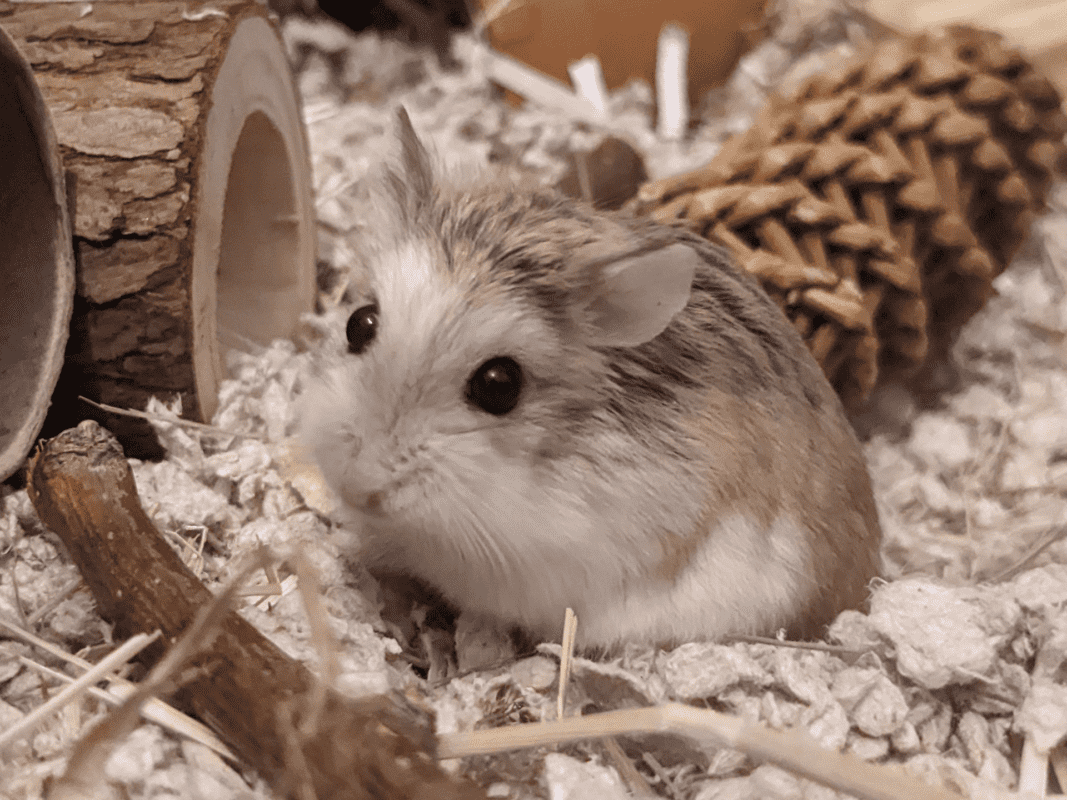
These species would live alone in the wild and can become very aggressive towards other hamsters, so should always be housed alone.
Although these species would live in groups in the wild, this is for the purpose of breeding and safety and in captivity, the space we provide will always be limited in comparison.
Some owners have been lucky and kept 2 or more together, most owners find that fights break out and need to separate them. Hamsters will cause severe injuries to each other when fighting over territory which can lead to death, so it is safer to house them individually.
Hamsters are omnivores, so they need both protein and vegetables in their diet. Feed your hamster a good quality, complete dry mixture that provides essential nutrients.
There are many good quality foods available for your hamsters. Choose one that has a good mixture of grains, seeds, pulses and a protein source such as dried meal worms.
As natural foragers, hamsters will spend hours digging through bedding and searching through their cage looking for food.
To avoid your hamster eating too much and becoming obese, while also keeping them stimulated, scatter their daily allowance around the enclosure rather than feeding them with a bowl.
Avoid colourful chew sticks, mineral and salt blocks as these can sometimes be harmful. Instead, stick to healthy, natural food options, alongside their weekly diet.
Also, try not to feed them in large amounts – portions equivalent to the size of their ear a few times a week will keep them satisfied.
We recommend:
Daily fresh water is extremely important for your furry friends. Many hamsters prefer to drink from a bowl.
Bottles are suitable and can be provided in addition to this, but they may be tricky to keep clean, and often leak. Make sure your hamster can easily reach the spout by having it close to the base of the cage, or place toys underneath that they can easily climb on to reach it.
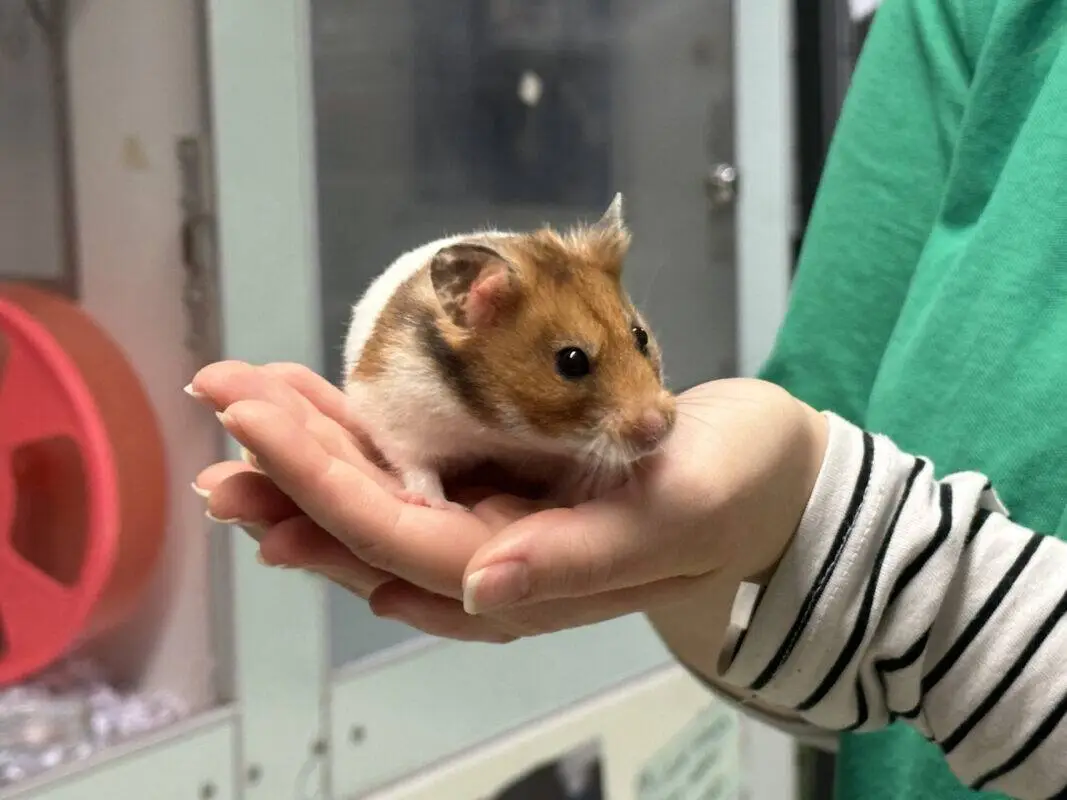
Syrian hamster walking across someone's hands
When your hamster arrives, avoid handling them for a day or two to allow them to settle in. They have very poor eyesight, so any handling must be done carefully to ensure they don’t fall and injure themselves.
Syrian, Winter White, Campbell and Chinese hamsters can easily become hand-tame and enjoy coming out of their cage.
Roborovski hamsters are not suitable for regular handling, especially by young children, as they’re exceptionally fast and can make sudden movements. Due to their size, they can also be difficult to pick up.
Syrian hamsters in particular can feel very threatened by the sight of a hand suddenly hovering above them while they’re resting.
Ideally, handle your hamsters during their active periods, and also:
Always try to place them back in the cage whilst they are still relaxed and happy with the situation rather than when they become irritable. Otherwise, this will become a learned behaviour of how to get you to leave them alone.
Once they’re happy with you, you can slowly practice picking them up from your lap and placing them back down again.
After one to two weeks of this calm and patient approach, you’ll find your hamster is quite happy to be picked up, handled and hand fed.
Your hamster will enjoy having extra space to run around and explore each day. To do this safely, either:
Place lots of toys and hiding spaces in there for them to explore. Sitting with them (carefully) can be a great way of them getting used to you and will also provide a safe place for handling.
Never leave your hamster unattended, as they’re very good escape artists!
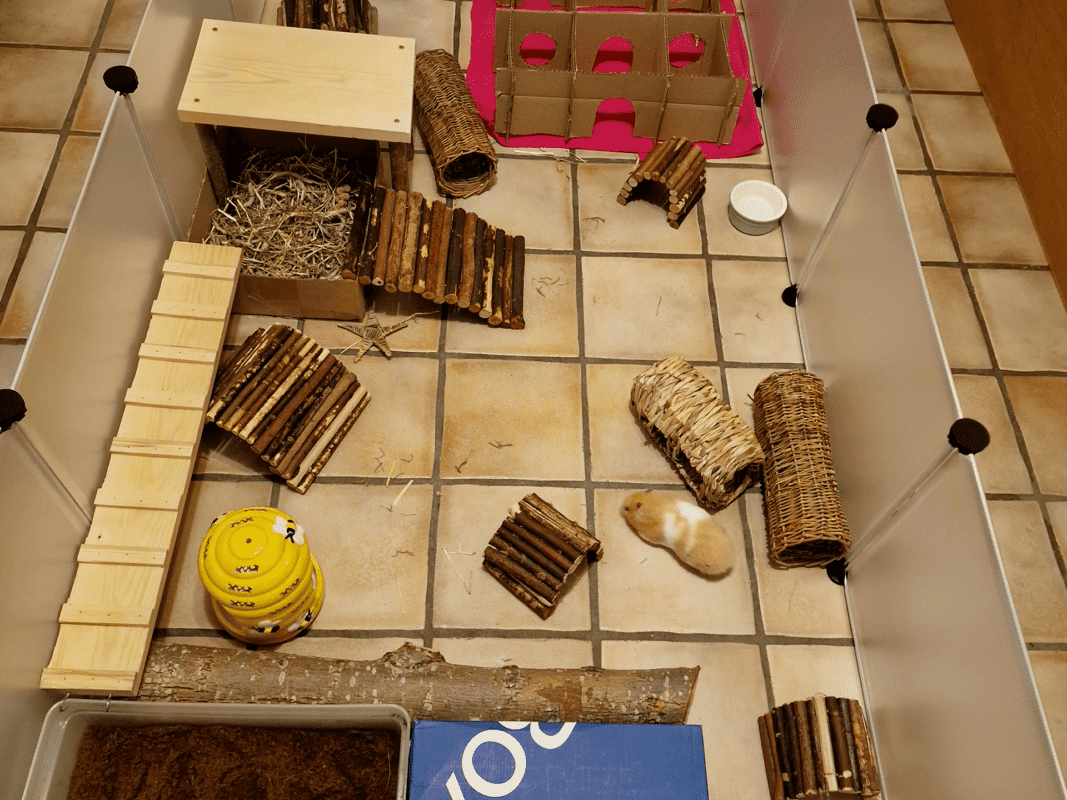
Play pen set up with lots of tunnels, hides, toys, dig boxes and a water bowl
It’s important that you always have a suitable pet carrier available for taking your hamster to the vet, or to use whilst you clean out their enclosure.
Cardboard boxes can quickly and easily be chewed through, leading to escapees.
Hard plastic carriers like this one are perfect for your hamster to use. To keep them relaxed and happy, place some of the bedding from their cage in the base of the carrier, along with a small amount of food scattered, and a little house or tunnel for them to hide in.
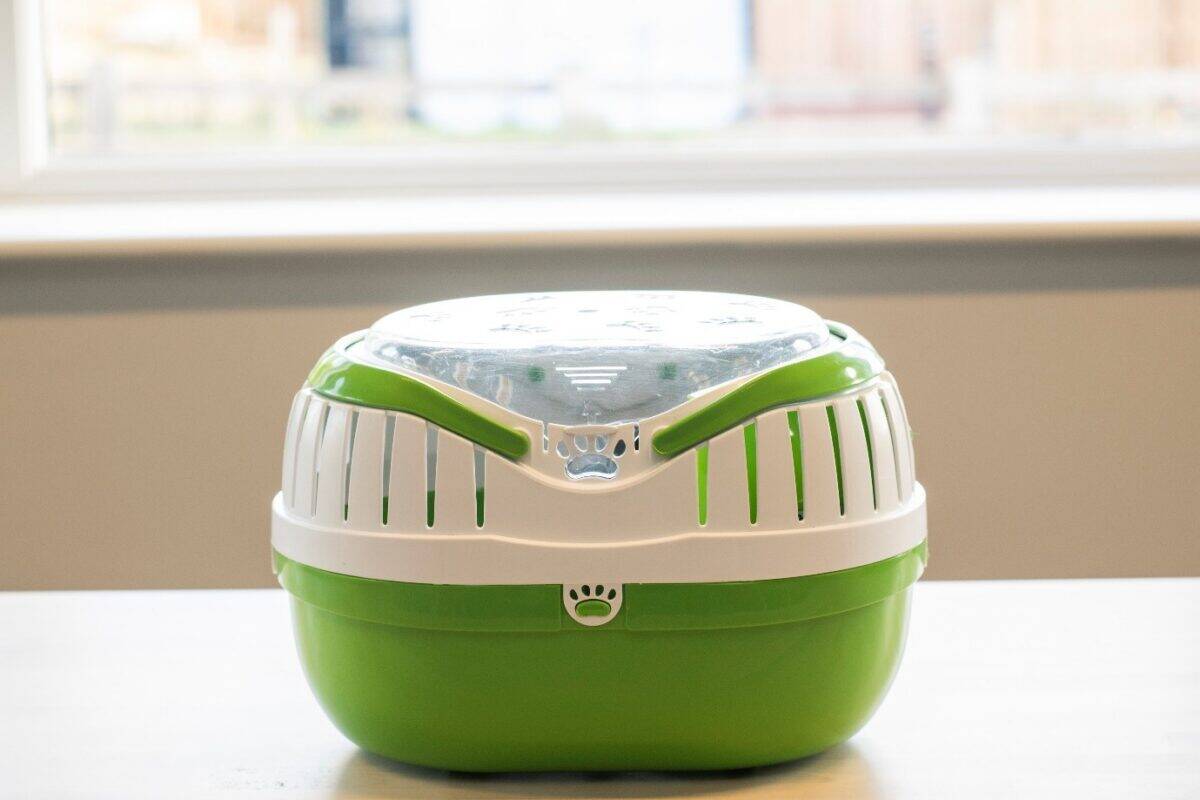
Pod style carrier with solid plastic bottom and see through ventilated plastic lid
Make sure you health check your hamster weekly and look out for any changes in their behaviour every day. They can be very good at hiding any health issues until they’re really suffering. If you have any concerns, act quickly and contact your hamster savvy vet.
Parasites, such as fur mites, can be fairly common in hamsters, particularly in Syrian hamsters. Incorrect bedding is one of the most common causes of this.
However, in some cases, your hamster may be suffering from hormonal changes or tumours, which may cause hair loss that appears to be symmetrical.
Consult your vet if your hamster is showing any of these signs of a parasite infestation:
Wet tail is often brought on by stress – like changes in their surroundings or the presence of another animal in your hamster’s environment. A build-up of bacteria in the cage can also cause wet tail, so regular cleaning is very important. Symptoms of wet tail include:
Wet tail can prove fatal within days, and unfortunately doesn’t respond well to treatment.
If you suspect your hamster has wet tail, take them to your vet as soon as possible.
Sadly, tumours are fairly common in elderly hamsters and can grow very quickly. Mammary tumours are the most prevalent and carry the highest chance of being cancerous.
When you handle your hamster, check for any unusual lumps and bumps on their body and abdomen. If in doubt, speak to a vet.
Pyometra is an infection in the uterus which is more common in older females. Signs can include pus or blood coming from the uterus.
With pyometra, it’s important to get your hamster seen by a vet as soon as possible, as it can be life threatening. They’ll then be able to determine whether your hamster is in season (they can produce a white discharge), or if it’s pyometra.
The ideal treatment for pyometra is a hysterectomy (spay) surgery, as treatment with medication isn’t usually successful.
It’s really important to find a vet in your area who has lots of experience with hamsters. Most vets see cats and dogs on a daily basis and will have an extensive knowledge of their needs, while other species such as hamsters will rarely be seen by most vets. So finding someone who has plenty of experience of seeing, diagnosing and treating these species is vital.
We cover a range of different topics on our website – and not just for your small furry friends, but cats and dogs, too!
Not only that, but we also offer phone appointments, workshops, training classes, webinars and courses.
Call 0300 303 9333 or email info@woodgreen.org.uk
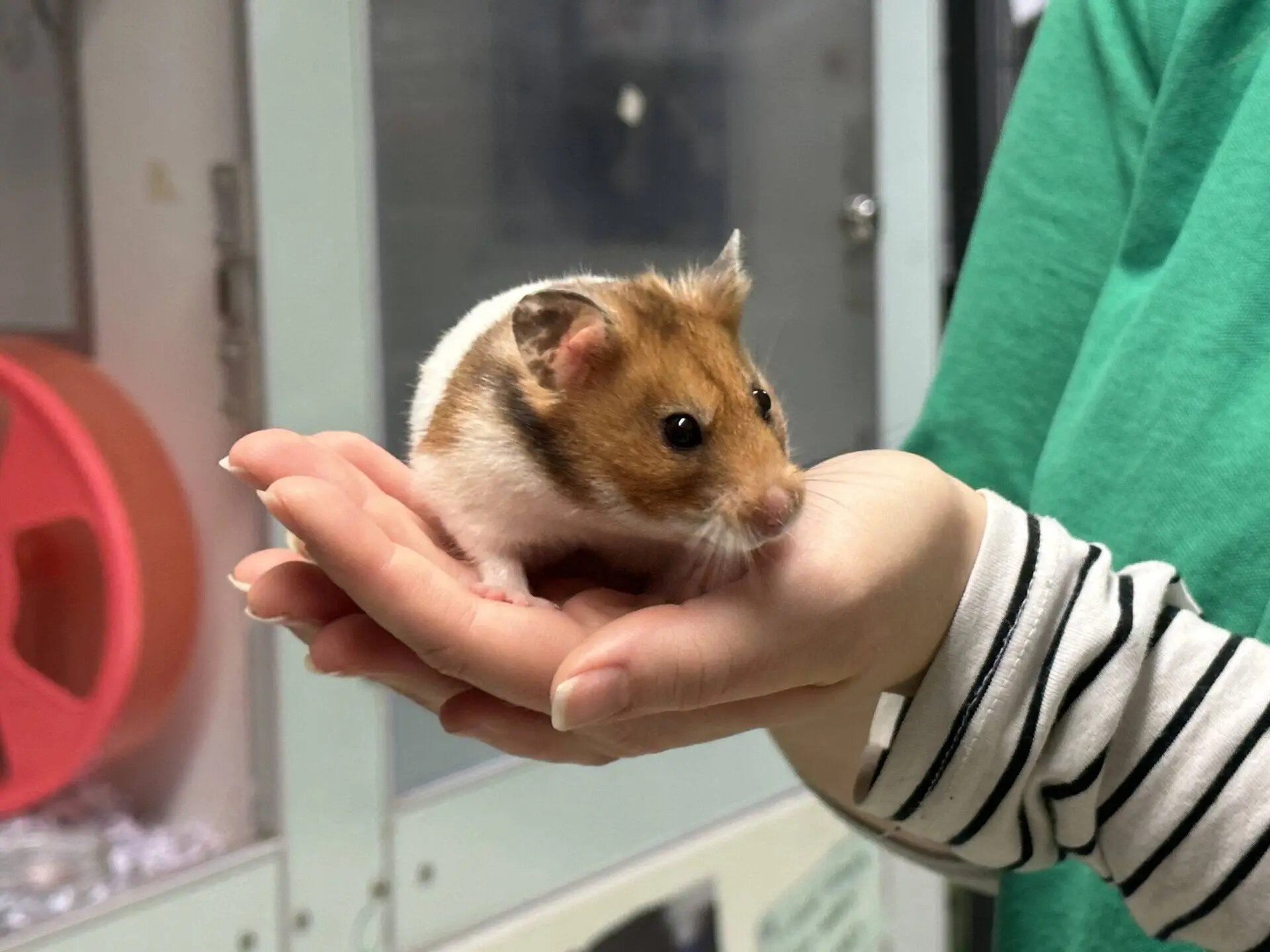
Hamsters are omnivores, which means they eat both meat and vegetables. Feeding your hamster an appropriate diet with good quality ingredients will provide the essential nutrients they need to thrive.
Read more about 'Hamster food: what to feed your hamster' Thinking about adopting a hamster from Woodgreen? Here’s everything you need to know before getting started.
Read more about 'Adopt a hamster'