PAGE
Adopt pet mice
Thinking about adopting mice from Woodgreen? Here’s everything you need to know before getting started.
Read more about 'Adopt pet mice'
You might already know that mice need company to thrive. But how many should you group together? And how can you mix them successfully? We have the answers!
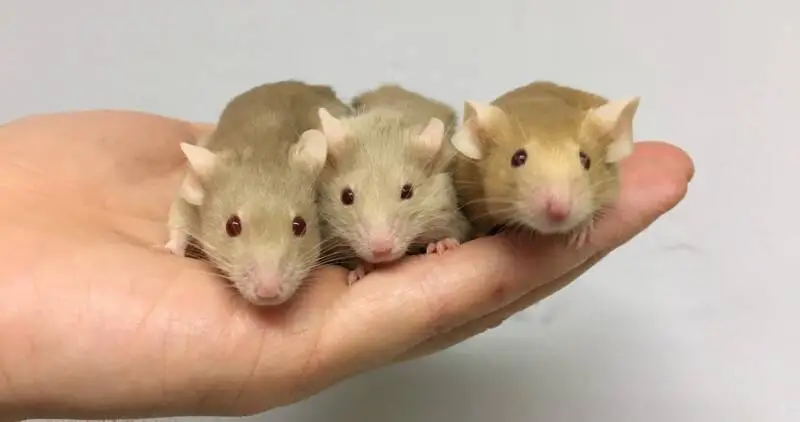
Mice are very sociable and enjoy the companionship of other mice. They’ll happily spend hours grooming one another and exploring their enclosure together. If you find yourself with a single mouse of any age, contact Woodgreen or your local rescue centre to help find your mouse a friend.
In the wild, mice live in large colonies and will spend lots of time exploring and sleeping together. It’s important that your pet mice are housed in trios or groups so they can do the same. Mice have complex hierarchies, so having more than two can help to prevent a mouse being lonely when one passes away.
Mice can breed from as early as five weeks old. They’ll have on average around 8-10 babies in one litter, but they’ve been known to have anywhere up to 20! Females can also get pregnant again within 24 hours of giving birth, so it’s really important to make sure any mice you are introducing to one another are the correct sex/neutered. This will avoid any accidental litters!
If you find yourself with a lone mouse, or you’d like to increase the size of your group, please contact Woodgreen about our onsite mixing service. We may be able to help you find a companion for your mouse either by mixing onsite, or giving you advice on mixing them at home.
There are a couple of different mixing methods you can try:
As the name suggests, this involves introducing the mice in a space that does not smell like any of them. You can use their normal enclosure (with all enrichment taken out – items which stimulate your mice like tunnels), or a small mouse cage to do the introductions, as long as the cage has been thoroughly cleaned.
To get ready for the mix, you’ll need to:
Once the space is set up ready, place the mice in at the same time and monitor them closely. Usually, they’ll just walk straight past each other and explore their new surroundings. It can take between one hour to two days for the mice to develop a bond. You should be able to tell if the mix is likely to work within the first hour. See below for the behaviours to look out for.
After the first couple of days, if they seem content and relaxed around one another with no squabbling or fighting, you can slowly start adding a few new open enrichment items every few days, such as flat hammocks, ropes and perches. Do not include enclosed hides until you have built the enrichment up to normal levels and the mice are settled, with no chasing or squabbling happening.
If you started the mix in a small mouse cage, once you have added some toys into their space as above, you can look to move them back into their normal enclosure. Make sure the enclosure is fully cleaned and set it up with fresh bedding, food scattered around and a water bottle or two.
Place a handful or two of clean bedding from the smaller mixing cage into their normal enclosure to help them settle. You can then gradually add in enrichment over a few days to get back up to normal levels before introducing enclosed hides.
This method involves introducing the mice in a smaller neutral space and gradually increasing the size and toys in the enclosure.
Using a plastic small animal carrier suitable for mice, place some bedding in the bottom of the carrier. Then scatter some of their food around and attach a water bottle or two. Avoid placing any hiding spaces or enrichment in at this stage. Place the mice in at the same time and monitor them closely.
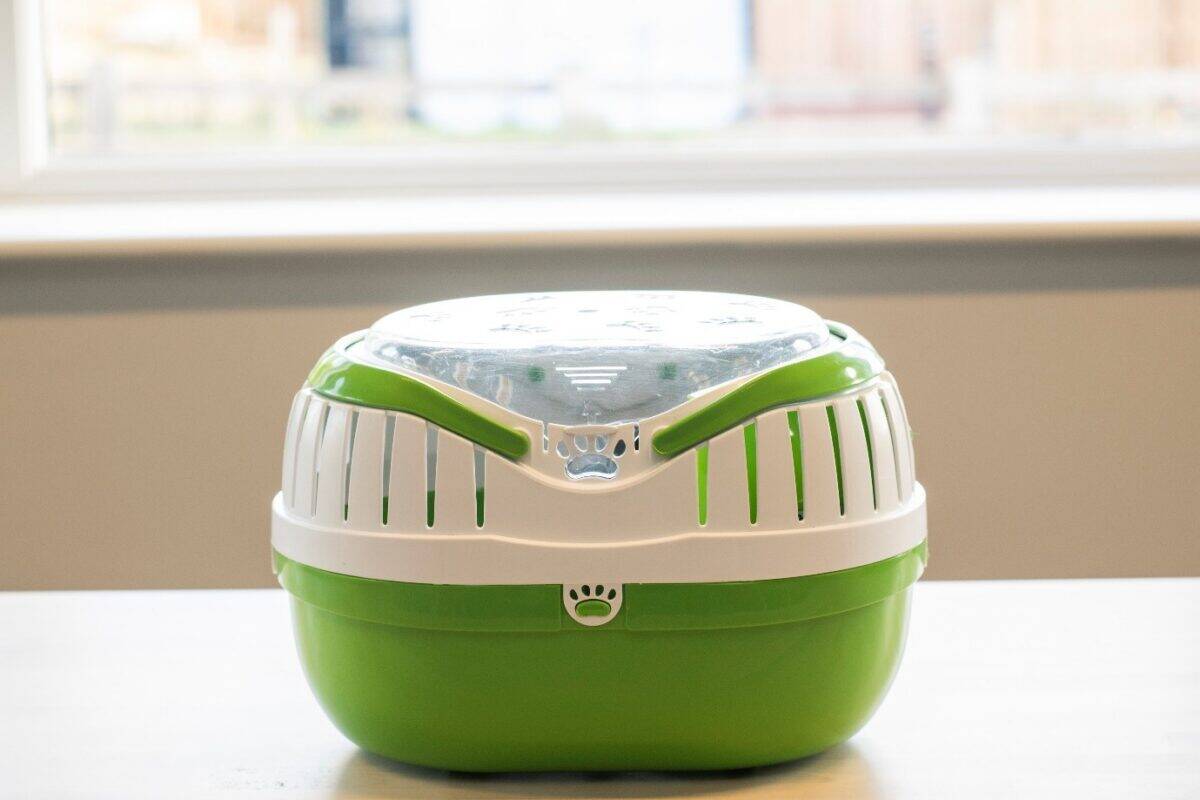
Pod style carrier with solid plastic bottom and see through ventilated plastic lid
Wait for them to settle and snuggle together before moving on to the next stage.
When they’re settled and snuggled up, you can then move them into a small mouse cage. Set it up the same as the carrier with bedding on the base (move over some from the carrier), with scattered food and a couple of water bottles. Now wait for them to settle and snuggle together again before moving on to the next stage.
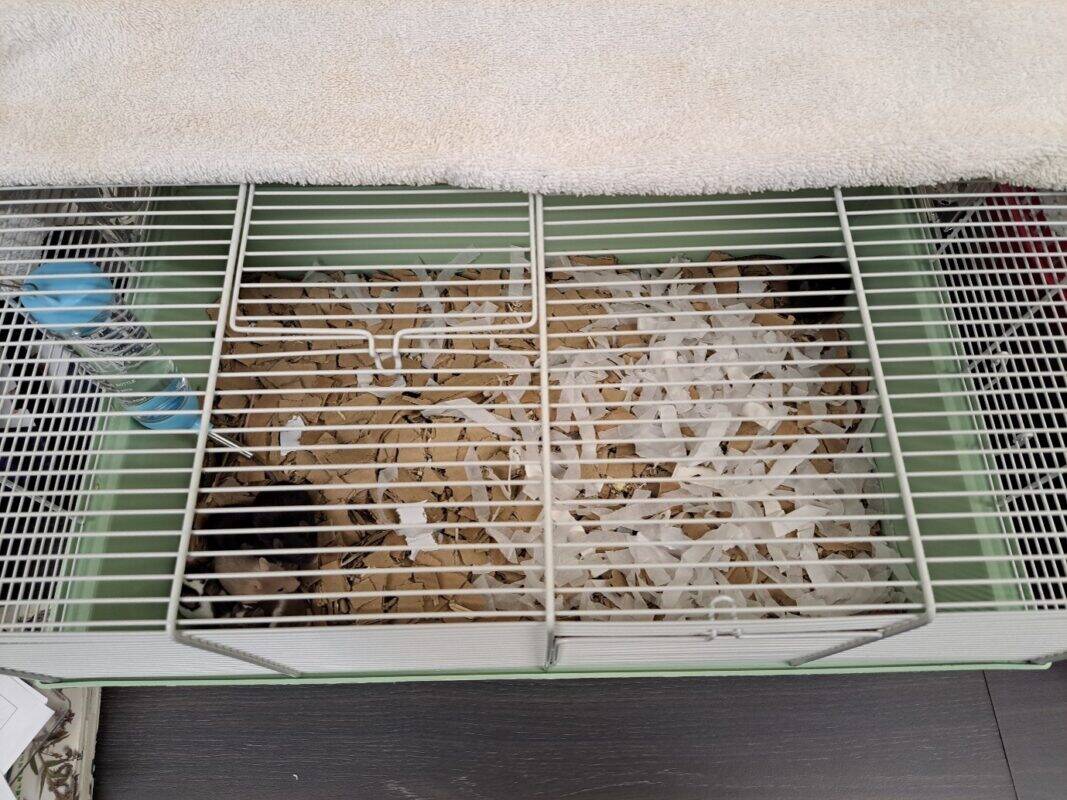
When they’re settled and snuggled together, you can then add a flat hammock into the cage to liven it up a bit! Once they’re settled and you’re not having any disagreements between the mice, you can the start to add more ‘open’ enrichment items into the cage such as a wheel, ropes and tunnels.
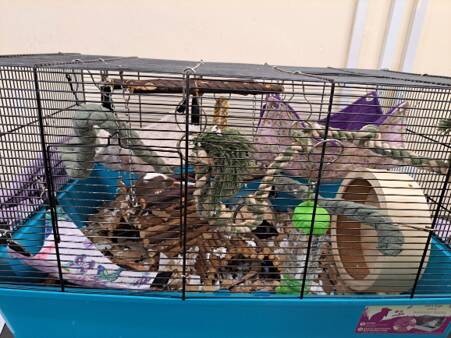
When the mice are relaxed and content around one another, you can then consider moving them into their main enclosure. Clean the space and set it up with just bedding (use a handful or two of clean bedding from their previous space). Add some food scattered around and attach a water bottle or two. You can then slowly add in open-ended hiding spaces and tunnels, before gradually building up the toys and enrichment in the cage back to normal levels.
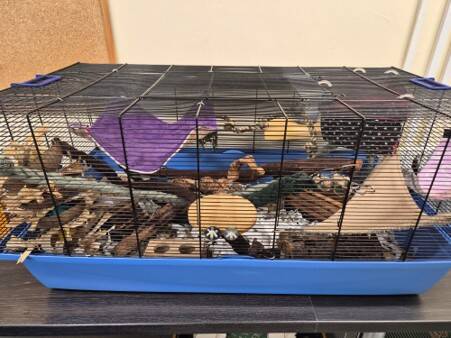
Even if the signs are encouraging, keep a close eye on the mice until they have completely settled.
If this kind of behaviour continues for more than an hour, separate the mice. Unfortunately, this particular mix is not likely to work.
Looking for more advice? We’ve got lots more mice advice on our website.
Thinking about adopting mice from Woodgreen? Here’s everything you need to know before getting started.
Read more about 'Adopt pet mice' The essential online course covering everything you need to know about keeping mice healthy and happy.
Read more about 'An introduction to mice – Online family course' Although mice are very small, they are very busy and energetic.
Read more about 'What do mice need in their cage: A guide to making them feel at home'