ADVICE
Your rabbits' health: what to look out for
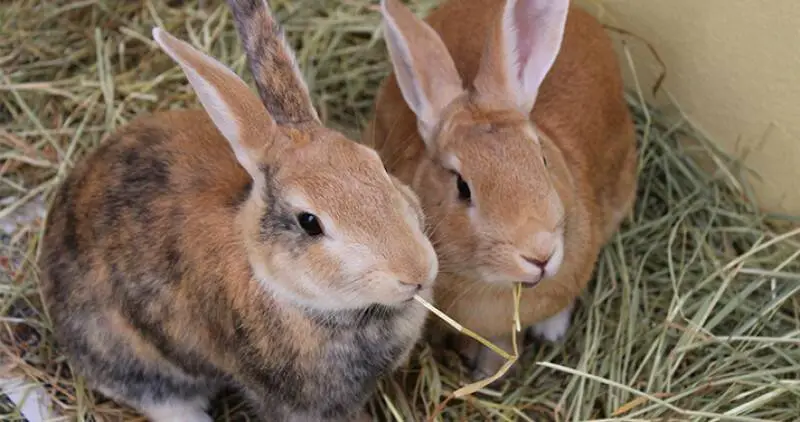
Looking for advice on how to keep your rabbits’ health in tip top shape? You’re in the right place!
Read more about 'Your rabbits’ health: what to look out for'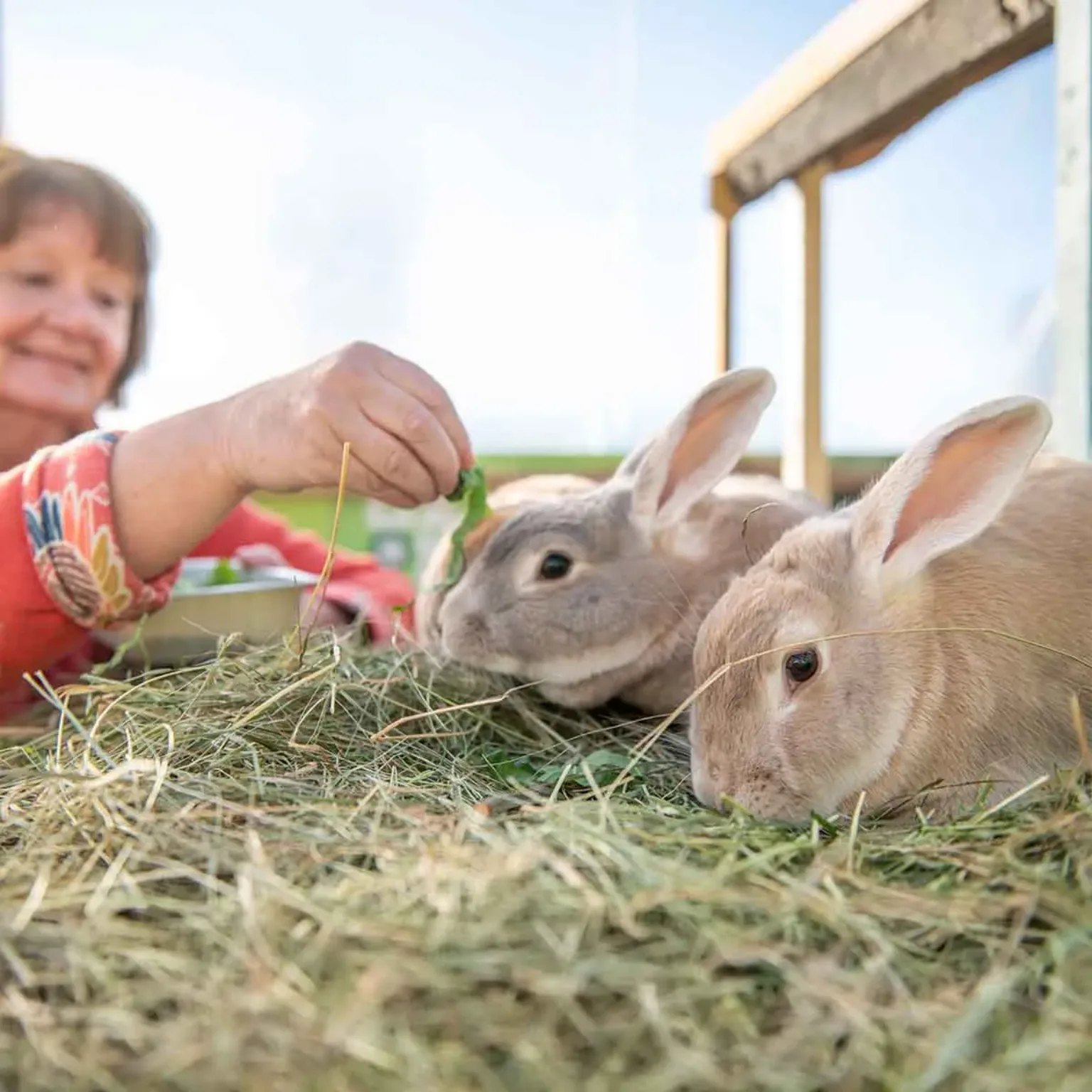
A pet rabbit that’s well cared for can live between eight and twelve years old, with some even reaching their teenage years. This means they’re a significant commitment for owners to take on – comparable to owning a cat or dog. If you’re thinking about getting a rabbit, our guide to what to think about before getting a rabbit is a great place for responsible rabbit owners to start.
Yes, some rabbit breeds do live longer than others, but research into breed-specific lifespans is still limited. Generally, giant rabbits have a shorter lifespan than smaller breeds – much like we see in dogs. Here is a rough guide to four common rabbit breeds:
The quality of care a rabbit receives plays a significant role in how long they live. Key factors include:
A Royal Veterinary College study found the most common causes of death for UK pet rabbits were flystrike and gut stasis (where the digestive system slows or stops). Dental disease is also common.
Because rabbits are prey animals, they instinctively hide signs of illness. By the time a problem is obvious, it may already be serious. Monitoring behaviour, appetite, and droppings daily is essential. More guidance is available on our rabbit health page.
As well as twice-yearly vet visits for vaccinations, it’s worth carrying out regular home health checks. Key signs to look out for include:
If anything seems off, contact your vet promptly. Rabbits can decline quickly, so early action can make a real difference.
Looking for advice on how to keep your rabbits’ health in tip top shape? You’re in the right place!
Read more about 'Your rabbits’ health: what to look out for' To help your rabbits live a long and healthy life, their diet should be as natural and varied as possible.
Read more about 'What do rabbits eat? Feeding your rabbits'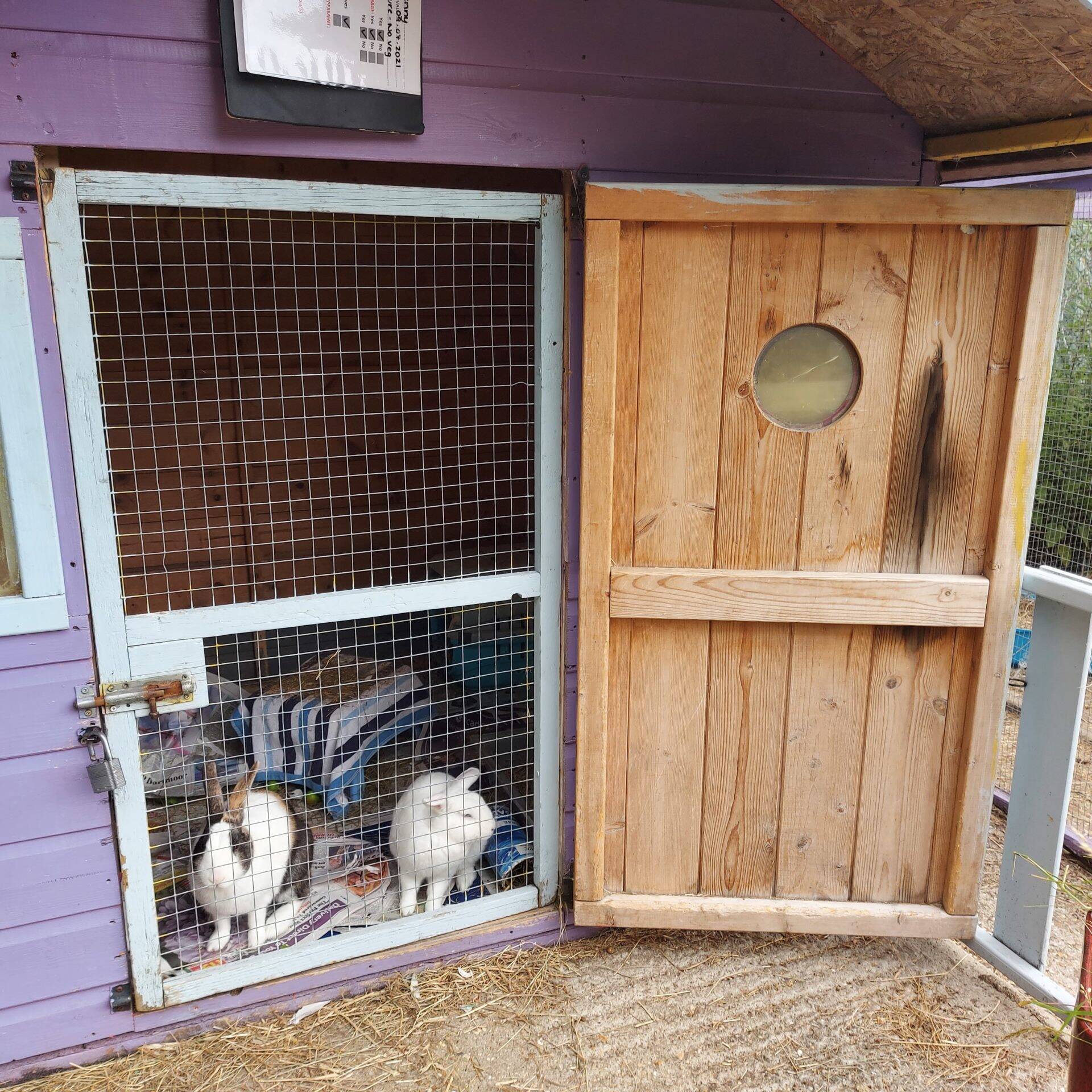
Rabbits are active animals – they love to run, dig, hop and jump. Providing them with spacious housing attached to a secure run will help keep them active, happy and healthy.
Read more about 'How to house your rabbits'