ADVICE
What to do if your cat goes missing
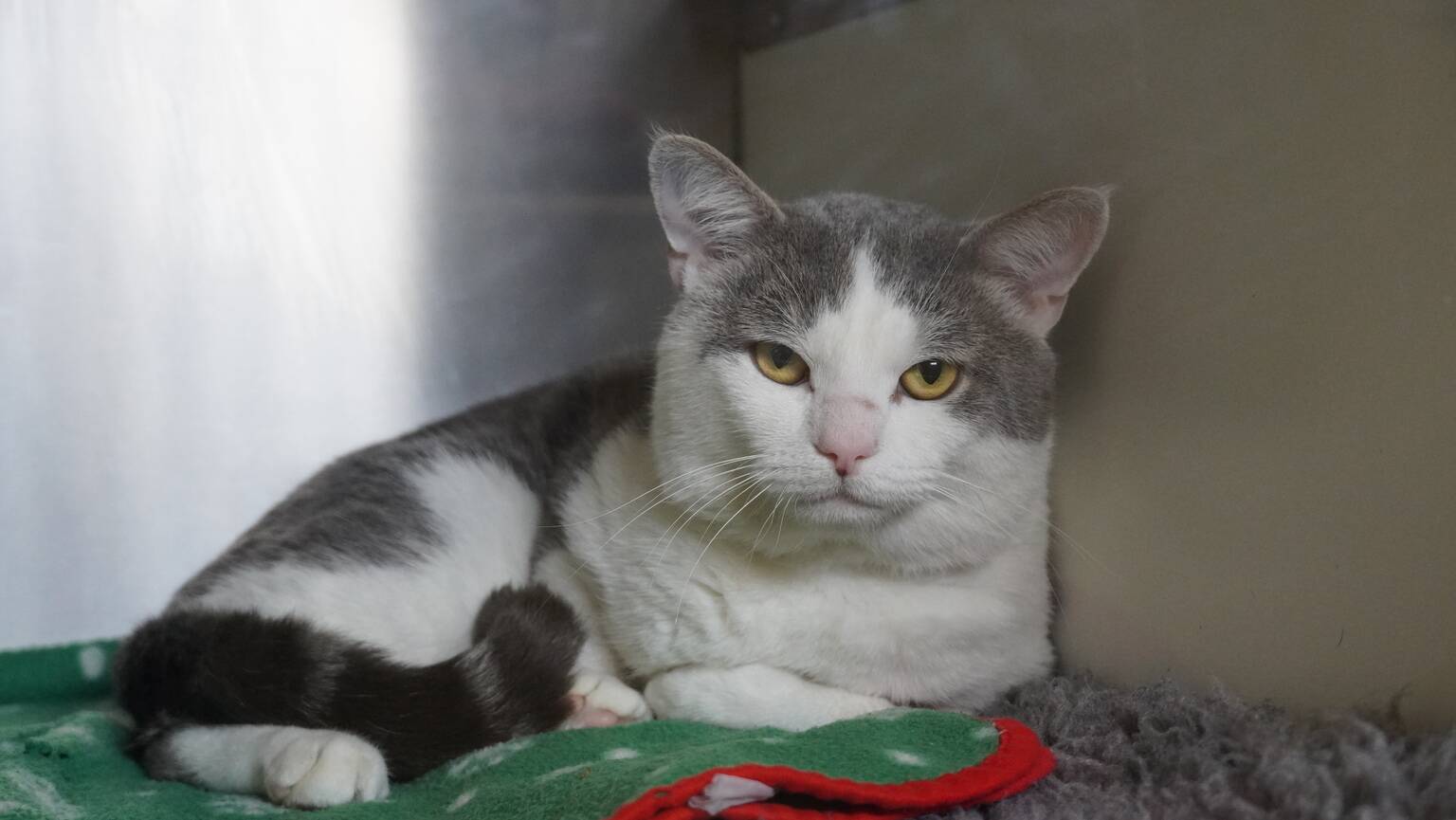
It can be a very worrying time if your cat goes missing. But don’t panic, here are five things you can do to help you find your cat
Read more about 'What to do if your cat goes missing'
It can be difficult to know what to do if you find a cat. They may have an owner who is really worried about them – and if they don’t, others can help.
Depending on the cat’s situation, these are the places that can help:
Not every cat that turns up in your garden is a stray. It could be an owned cat, a stray or a feral cat, and each needs a different response.
If a cat you haven’t seen before turns up in your garden it doesn’t always mean they’re a stray: they could be new to the neighbourhood, or their owners could be on holiday.
If the cat isn’t there all the time, it may be going back home. Most cats like to roam and some will wander over large areas, especially if they’re un-neutered Tom cats looking for a mate.
A stray domestic cat can be friendly, or nervous and timid. Stray cats tend to look ungroomed and skinny, but they may still be drawn to human company and environments.
Feral cats are usually expert hunters and are used to looking after themselves, so they often appear well-fed and groomed. They typically avoid humans because of their lack of socialisation and will probably run away from you.
If you think a cat is feral, please complete our ‘Giving up your cat’ form, and choose one of the ‘stray’ options as the reason to give up the pet. We have partnerships with organisations that can trap, neuter and then release the cats back into the area where they were caught. This will stop the colony from growing.
Unless you know they are a stray, don’t feed the cat just in case they have an owner, they may return back home on their own. Even if they look skinny and frail, this may be due to an underlying illness that the owner is aware of.
Feeding a stray cat does mean they are more likely to return to your home and you are essentially taking part responsibility for them. Make sure to speak to your local vets or rehoming centres if you find yourself in this situation and aren’t able to care for them long term
Not straight away. A cat that looks like a stray may still have an owner who is looking for them, so give them every chance to get home first. Before you think about keeping a cat you’ve found:
If no owner comes forward after you’ve tried all of these, and you can give the cat a safe, permanent home, you may be able to keep them. If you do:
If you can’t keep the cat, you can apply to rehome them with us.
It can be a very worrying time if your cat goes missing. But don’t panic, here are five things you can do to help you find your cat
Read more about 'What to do if your cat goes missing'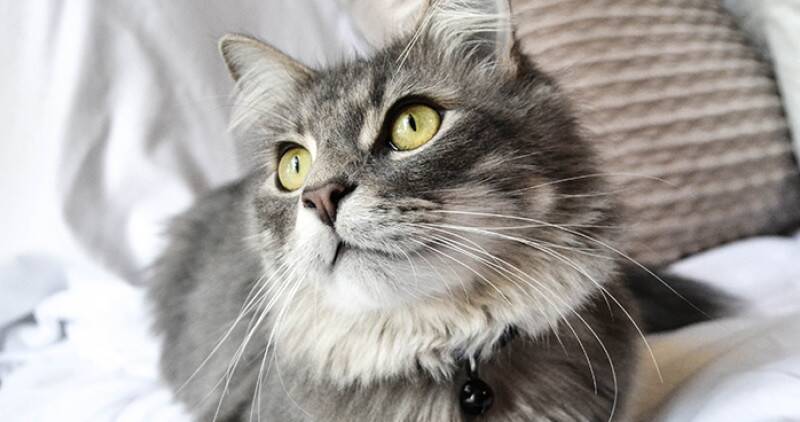
There are many reasons why it’s important to neuter your cat – it benefits you and them.
Read more about 'Neutering your cat: what you need to know'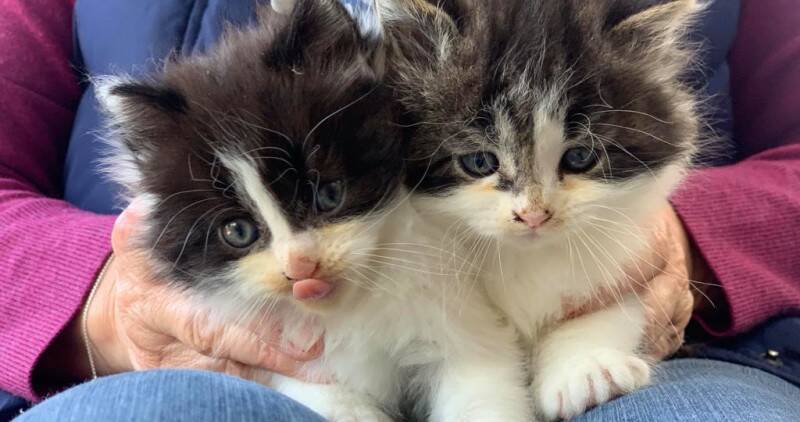
As we enter the peak breeding season for cats, it’s key for owners to identify whether their cat is pregnant or calling for a mate, and know what to do if they have an unexpected litter on the way.
Read more about 'How to tell if your cat is pregnant'