Three things you should know
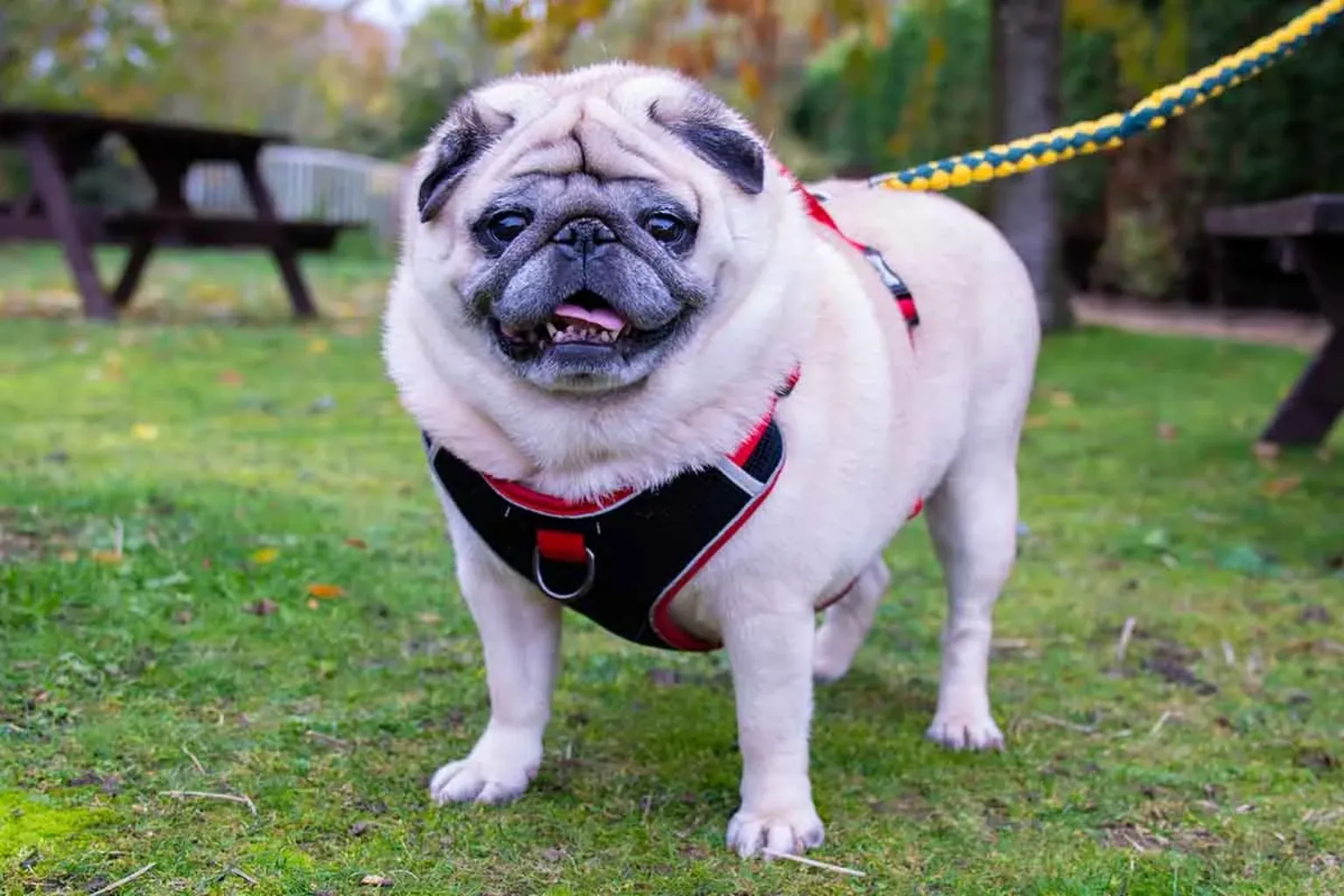
- Brachycephalic (flat-faced) dogs have been bred to have shortened skulls, which can cause serious breathing difficulties and other health problems.
- These breeds face significantly higher veterinary costs – with insurance premiums 30-100% higher than other dogs and surgical costs ranging from £2,000-£5,000.
- If you’re drawn to these breeds, consider healthier alternatives or adopt from rescue organisations where dogs receive health checks and support.
What does brachycephalic mean?
Brachycephalic means ‘short-headed’ – it describes dogs bred to have flattened faces and shortened noses. A brachycephalic skull has a width-to-length ratio of more than 60%, meaning the skull is almost as wide as it is long.
Which breeds are affected?
The most severely affected breeds include Pugs, French Bulldogs, English Bulldogs, Pekingese and Japanese Chins. However, moderately flat-faced breeds like Boston Terriers, Cavalier King Charles Spaniels, Shih Tzus and Boxers can also experience health problems. French Bulldogs are one of the UK’s most popular brachycephalic breed, which means many dogs are living with these challenges.
The health impact of flat faces
Although brachycephalic features may look endearing, they have serious medical consequences. Pugs are 54 times more likely to have breathing problems than other dogs. French Bulldogs face 14 times the risk of heatstroke, even in mild weather. These aren’t rare complications – research from the Royal Veterinary College shows that half of all flat-faced dogs struggle to breathe normally.
This breathing condition is called Brachycephalic Obstructive Airway Syndrome (BOAS). It’s caused by multiple issues: narrowed nostrils, an elongated soft palate that blocks the airway, collapsing voice box tissue, and a windpipe that’s too narrow. Dogs with BOAS experience chronic breathing difficulty, comparable to trying to breathe through a straw all day, every day.
Symptoms often appear by 12 months old and worsen over time. Many owners don’t realise there’s a problem until a vet points it out. Snoring, snorting and noisy breathing are so common in these breeds that 75% of owners consider them ‘normal’ – but they’re actually warning signs.
Beyond breathing difficulties
Flat-faced dogs also experience:
- Eye problems: Dogs with prominent eyes are 11 times more likely to suffer ulcers. Many Pugs and Shih Tzus can’t fully close their eyelids, leading to chronic irritation.
- Skin infections: Deep facial folds trap moisture and bacteria, requiring daily cleaning to prevent painful infections.
- Dental disease: 42 teeth in a shortened jaw causes severe crowding and gum disease.
- Sleep disorders: Research shows that 43% of brachycephalic dogs have disrupted sleep, dogs with severe disorders may rarely sleep well and be found falling asleep while standing up due to tiredness.
- Spinal problems: French Bulldogs are 2- 4.5 times more likely to develop serious back issues, with some requiring emergency surgery.
- Birthing difficulties: 86% of English Bulldogs and many French Bulldogs require caesarean sections due to their body shape.
Caring for a flat-faced dog
If you already have a brachycephalic dog, there are ways to help them live more comfortably:
- Exercise carefully: Keep walks short and gentle, especially in warm weather. Watch for heavy panting, blue gums or collapse. If it’s above 25°C, avoid outdoor exercise completely.
- Use a harness, never a collar: Collars put dangerous pressure on a brachycephalic dog’s already compromised airways. As such, the British Veterinary Association strongly recommends harnesses for these breeds.
- Keep them cool: Air conditioning, cooling mats and paddling pools can be lifesavers. These dogs struggle to regulate their temperature through normal panting.
- Clean skin folds daily: Use veterinary wipes to prevent infections in facial, tail and body folds.
- Watch their weight: Even small amounts of extra weight make breathing harder. Be sure to provide a balanced diet and appropriate exercise to keep your dog lean and healthy.
- Consider surgery: BOAS surgery can significantly improve quality of life. The PDSA and Blue Cross recommend this is done before the age of two, when dogs are fully grown but less likely to have secondary complications to the respiratory tract. Surgery costs £2,000-£5,000, depending on severity of the disease, potential complications, and local pricing.Many dogs show significant improvement after surgery, often reducing their degree of compromise by 1-2 grades on the BOAS grading scale.
BOAS grading: This is a standard three-minute exercise test that helps a vet to assess your dog’s respiratory health. A grading system is used to assess your dog’s health and level of risk.
Grade 0 = normal respiratory compromise
Grade 1 = mild respiratory compromise
Grade 2 = moderate respiratory compromise
Grade 3 = severe respiratory compromise
BOAS surgery has the potential, for example, to improve a grade 3 (severe compromise) ranking to a grade 1 ranking (mild compromise).
The financial reality
It can be expensive to keep brachycephalic breeds healthy. Insurance premiums for English and French Bulldogs start at around £50 per month – that’s between 30-100% higher than the median cost for dog insurance. Overall, these breeds are approximately four times more expensive to insure than others.
Annual management costs (including special products, routine vet visits and medications) range from £1,100 to £2,300. This doesn’t include emergency care or surgery. Surgery can come with significant costs; some referral centres may charge £2,000- £5,000 depending on local pricing and the severity/complexity of your dog’s condition. Many policies exclude pre-existing conditions, so if breathing problems develop, you may face the full cost alone.
Before getting a flat-faced dog
The British Veterinary Association, RSPCA, PDSA and Royal Veterinary College all agree: prospective owners should seriously reconsider buying these breeds. As the Royal Veterinary College states, we’re facing ‘an impending health crisis’ with flat-faced dogs.
If you’re certain you want to proceed, adoption is the kinder choice. Rescue centres and pet charities like Woodgreen often have many flat-faced dogs needing homes. You’ll receive full health information and ongoing support. Specialist rescues including Phoenix French Bulldog Rescue and French Bulldog Rescue GB also rehome these breeds responsibly.
If you’re buying a puppy, only consider breeders participating in the Kennel Club’s Respiratory Function Grading scheme. This assesses breathing quality and excludes severely affected dogs from breeding. Never buy from anyone who can’t provide health test results.
Healthier alternatives to consider
Many people are drawn to flat-faced dogs for their friendly temperament and manageable size. The good news is that these qualities exist in healthier breeds too. Recent research from the Royal Veterinary College found that when shown images side-by-side, UK dog lovers actually prefer less extreme, healthier-looking dogs.
Consider these alternatives:
Bichon Frise: Small, affectionate lap dogs with cheerful personalities. They measure around 9-11 inches tall and weigh 3.5-5 kilos. They’re apartment-friendly, low-shedding and can breathe normally, with a lifespan of 12-15 years.
Havanese: Known as ‘velcro dogs’ for their devotion to their families, typically 9-11 inches tall and weighing around 4-7 kilos. They’re playful, adaptable and hypoallergenic with a 14-16 year lifespan and no breathing difficulties.
Our Pet Explorer quiz can help you discover breeds that match your lifestyle, without brachycephalic health concerns.
Choosing a dog breed is a decision that affects the next 10-15 years of your life – and the whole life of your dog. By choosing breeds with healthier body shapes, you’re not just saving yourself future heartache and expense, you’re helping to reduce demand for dogs who struggle simply to breathe. For existing owners, your vet is your best ally in managing your dog’s health, so don’t hesitate to seek their advice early.