A pet's life
The Five Domains Model looks at five parts of a pet’s life: nutrition, environment, health, behaviour and mental state. Together, these help us understand and improve their overall welfare.

The Five Domains Model looks at five parts of a pet’s life: nutrition, environment, health, behaviour and mental state. Together, these help us understand and improve their overall welfare.
The first four parts all influence the fifth: how a pet feels and experiences life.
Good welfare isn’t just about meeting your pet’s basic needs. It’s about giving them good experiences and a life worth living.
Every pet owner wants their pet to be happy and healthy. But how can you tell if you’re getting it right?
The Five Domains Model was created to help with this. It’s a tool for looking at every part of your pet’s life, from what they eat to how they feel. Below, we explain each domain and what it means for you and your pet at home.
The Five Domains Model was first developed by scientists in 1994 and updated in 2020. It is widely used by vets and animal welfare experts to understand a pet’s welfare. It looks at their physical health, their surroundings and their opportunities to behave naturally. It also looks at how all of these affect the way they feel.
The first four domains all influence the fifth: how a pet feels and experiences life. Together, they help us look beyond simply preventing poor welfare. Instead, we can focus on giving pets positive experiences and a good quality of life.
In other words, good welfare isn’t just about making sure your pet isn’t hungry, unwell or uncomfortable. It’s about helping them enjoy life.
The five welfare needs are set out in the Animal Welfare Act 2006. Every pet owner has a legal responsibility to meet these basic needs. The Five Domains Model builds on this by looking beyond whether a pet’s basic needs are being met. It helps us understand how a pet’s experiences affect how they feel and whether they’re enjoying a good quality of life. You can find out more about the five welfare needs and your legal duty of care on the PDSA website.
This domain looks at whether a pet has the right type and amount of food and fresh water for their species. Poor nutrition can cause hunger, thirst, discomfort and illness. But it’s not just about what they eat. How food is given matters too.
Giving pets the opportunity to forage, search for food or work for their meals can be an enjoyable experience for them. You could try activities such as scatter feeding, snuffle mats and training sessions. These also let them use their natural skills and encourage a wider range of behaviours.
Read our advice on what to feed your dog, cat or rabbits. For mealtimes that last longer, make your own snuffle mat or a forage feeder for small pets.
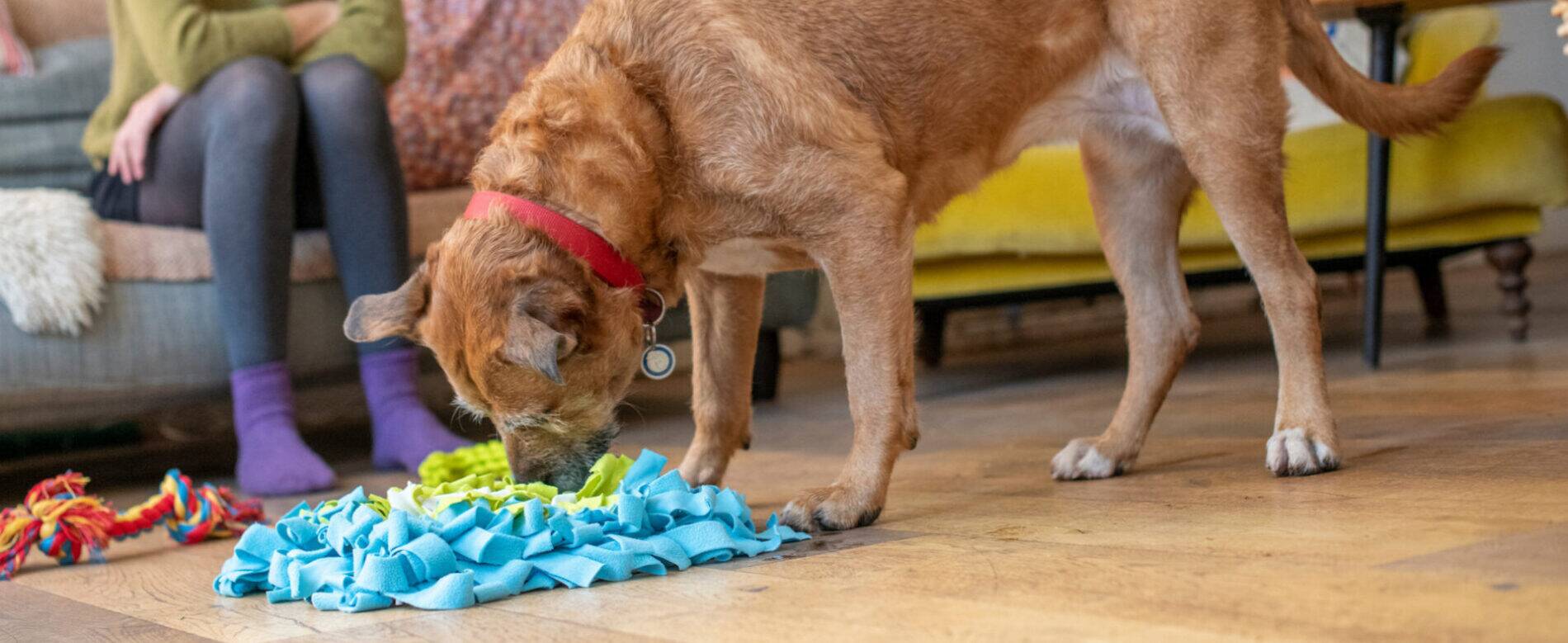
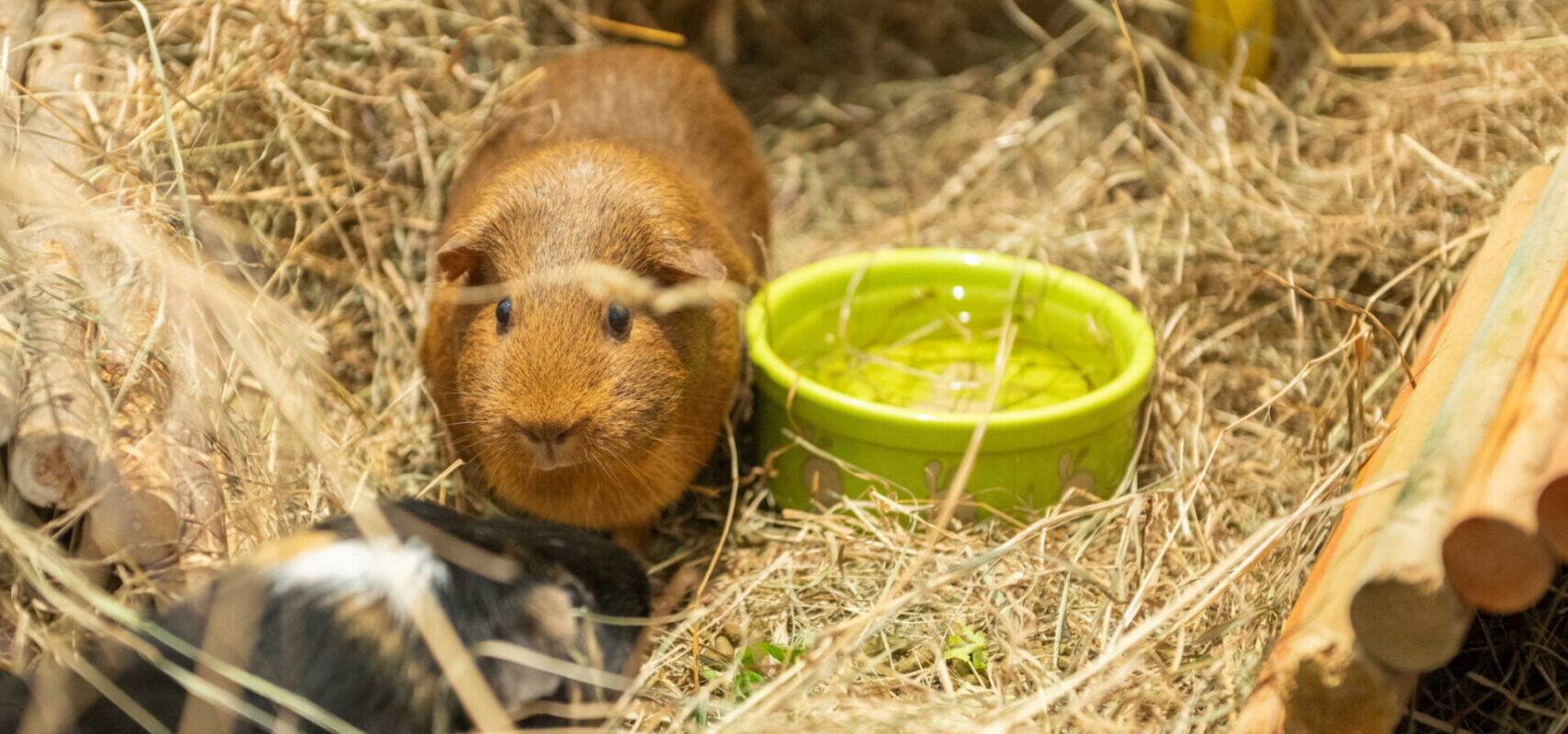
This domain looks at the spaces pets live in. It also looks at how these spaces affect their comfort, safety and freedom to behave naturally. Pets need the right temperature, enough space, comfortable bedding, appropriate light and shelter. But a good environment offers more than just the basics.
Your pet also needs somewhere comfortable to rest and a safe place to hide when they want space. They need things to explore, like chews for dogs, puzzles for cats and bedding for small pets. They also need the freedom to move away from anything they may find unpleasant. A pet’s home should be designed around their needs, not just what’s easiest for the owner.
For ideas, see how to create the perfect environment for your rabbits, keep your cat entertained or make an activity box for your dog.
This domain covers physical health, including illness, injury, pain and disability. To keep your pet healthy, it’s important to prevent disease, get the right veterinary care and recognise signs of pain.
Changes in behaviour can be an early sign that something’s not right. So getting to know your pet and noticing changes is an important part of caring for them.
Being physically healthy doesn’t always mean a pet has good welfare. They may still be frightened, frustrated or unable to behave in the ways they need to.
Find out how to health check your dog or cat at home. You can also read about your guinea pigs’ health and how to tell if your dog is in pain.
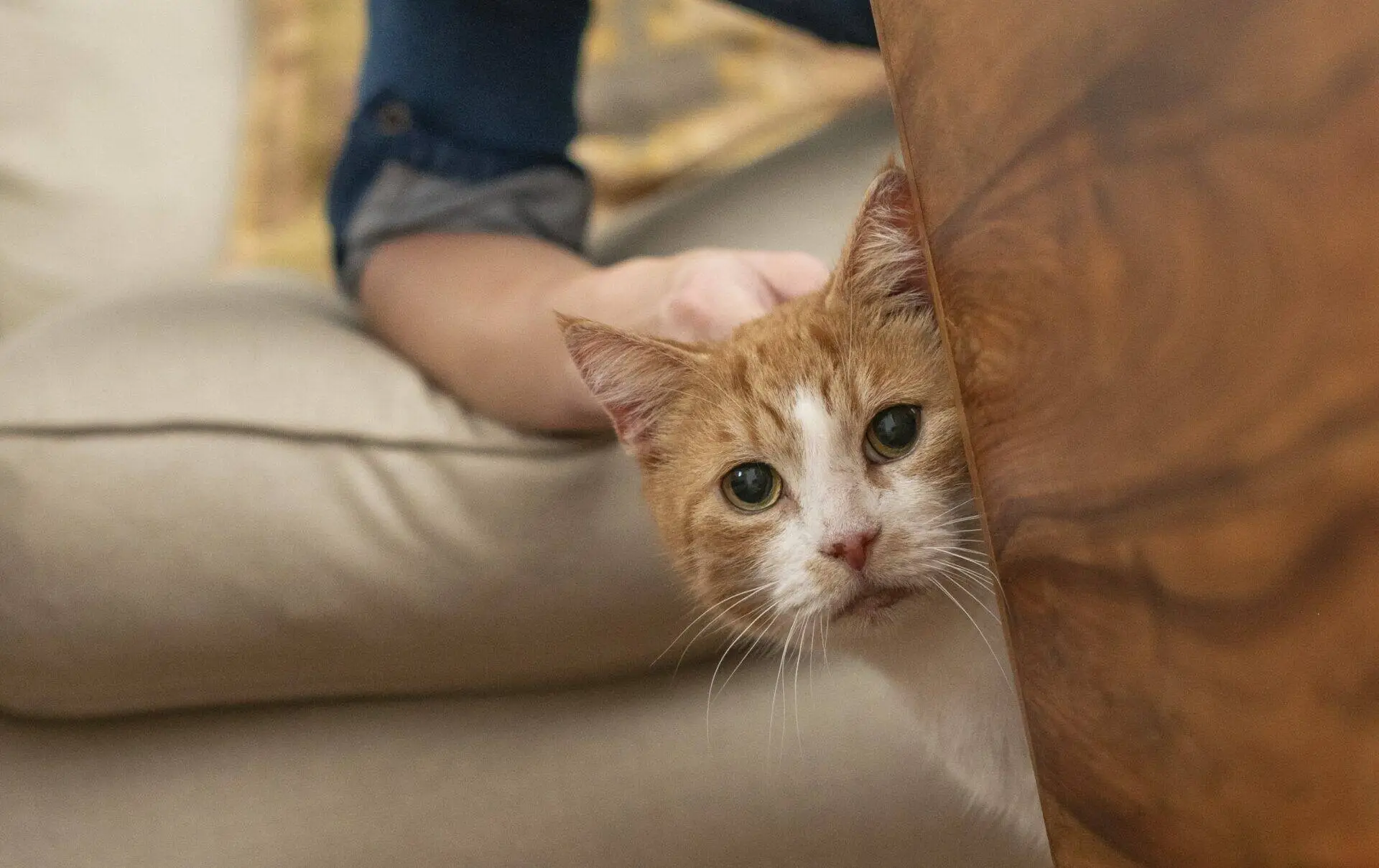
This domain looks at how pets interact with their surroundings, other animals and people. This includes how they interact with you, such as through kind and fear-free training methods. Pets need opportunities to do the things that matter to them. For dogs, this might include sniffing, exploring, chewing and playing. It might also mean meeting other dogs where appropriate and resting without being disturbed.
It’s also worth thinking about whether your pet can choose to take part in an activity or move away when they want to. This gives them some influence over what happens to them. Having this choice and control can make a real difference to their welfare.
Find out more about kind dog training methods, ACE free work and ways to stop your dog getting bored. If you have rabbits, read about why companionship is so important.
This domain looks at how your pet feels and experiences life as a result of the other four domains. Pets can experience negative feelings, such as fear, pain, anxiety and frustration. They can also have positive experiences, such as comfort, pleasure, interest, security and enjoyment. The aim is to reduce negative experiences. At the same time, we want to give pets the opportunity to feel safe, comfortable, engaged and happy.
Learn to read your pet’s body language with our guides to your dog’s communication ladder, understanding your cat and signs your cat is stressed.
A good starting point is an enriched and stimulating environment. This means giving dogs things to chew or smell, cats places to hide away and small pets things to investigate and climb.
Good welfare is about more than giving a pet what they need to survive. It means understanding what they need to thrive.
At Woodgreen, our care teams use the Five Domains Model to give every pet in our care a good quality of life. That includes the right diet, a comfortable place to rest and appropriate companionship and vet care. It also includes enrichment. This means interesting environments that encourage natural behaviours like sniffing and exploring. We also share practical advice to help owners do the same at home.
Want some support or not sure if your pet is getting everything they need? You can call our pet support line on 0300 303 9333.
The Five Domains Model was created by Professor David Mellor in 1994. It has been updated several times as the science of has developed. The latest version was published in 2020. It added how interactions with people can affect an animal’s welfare, either positively or negatively.
Swap one meal from a bowl for a puzzle feeder or a scatter feed. This lets your pet search for their food and use their natural foraging skills.
Make sure your pet has a comfortable, quiet space where they can rest undisturbed. They should be able to move away from visitors, noise or other pets when they want to.
Spend a few minutes watching your pet during the day. Notice what they enjoy, what they avoid and when they seem most relaxed.
Woodgreen Pets Charity uncovers true scale of a hidden pet welfare crisis across the UK, with new research revealing owners are routinely going without essentials such as food, heating and medical care to keep their pets.
Read more about 'The UK’s hidden pet welfare crisis: Millions of animals at risk as owners struggle in silence'
Find out how to rescue a dog from Woodgreen, meet the dogs looking for a home, and learn how our adoption process works before you apply.
Read more about 'Adopt a rescue dog'
With temperatures rising in the UK this week, experts at Woodgreen Pets Charity are warning owners of the five most common mistakes they could be unknowingly making, putting their beloved dogs at risk.
Read more about 'Five common heatwave mistakes from pet owners – and how to avoid them'