Guinea pigs are one of the most vocal small pets, and each sound has a different meaning.
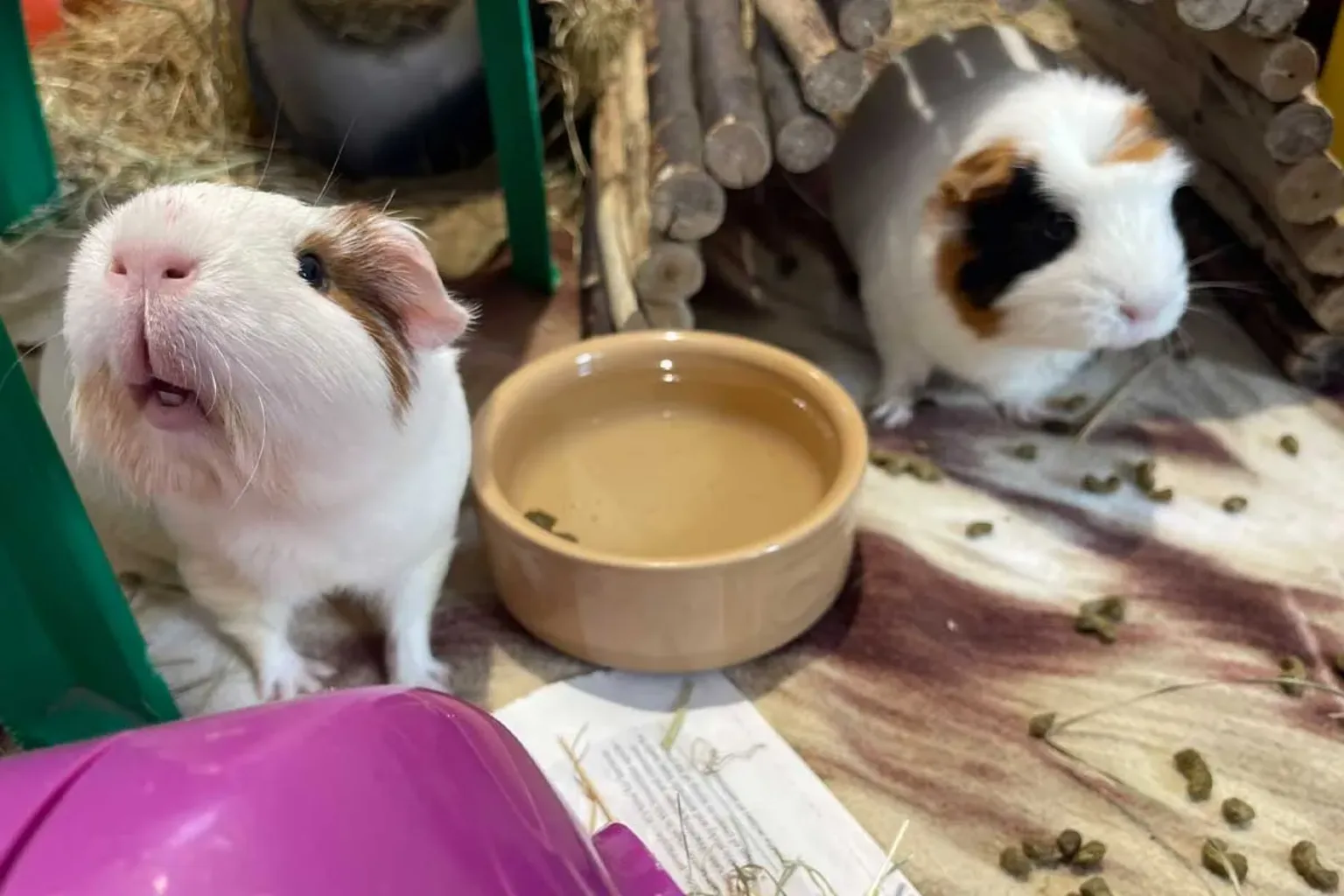
Guinea pig sounds: what your guinea pig’s noises mean
Guinea pigs make a wide range of sounds, such as wheeking, purring, rumbling, chutting and teeth chattering, to communicate with their owners and with each other.

Three things you should know
Most guinea pig noises are completely normal and simply show excitement, contentment or mild annoyance.
Noisy or laboured breathing is different from vocal sounds and can be a sign of illness, so it should never be ignored.
Our expert advice
Guinea pigs make a wide range of sounds to communicate with their owners and with each other. Learning what these noises mean can help you understand your guinea pig’s mood, and can also help you notice early signs that something is wrong.
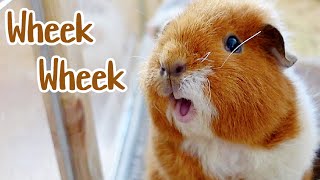
Why do guinea pigs squeak?
The high-pitched squeal known as wheeking is one of the most recognisable guinea pig sounds. Guinea pigs usually wheek when they hear something they associate with food, such as a fridge door or a rustling bag, or when they are excited about playtime. It is thought that wheeking developed as a way of communicating with humans, since it has rarely been recorded in wild populations.
A shorter, sharper squeal or shriek means something different. This usually signals fear, pain or distress, so check your guinea pig over and look for anything in their surroundings that may have startled them.
Why do guinea pigs purr?
Guinea pig purring is a low, steady sound, often heard while you are stroking or holding them. A soft, relaxed purr, along with a calm posture, usually means your guinea pig is content. A short, high-pitched purr with a tense body can mean the opposite, showing your guinea pig is unsettled or annoyed by something, such as being petted in a spot they dislike. Looking at their body language alongside the sound will help you tell the difference.
Why do guinea pigs vibrate?
Rumbling, sometimes called rumble strutting, is a low vibrating sound often paired with a side-to-side swaying walk. This is most commonly a mating behaviour: male guinea pigs rumble to attract females, and females may do the same to signal they are in season. Rumbling is also a dominance behaviour, and is commonly seen when introducing new guinea pigs to one another as they work out their place in their pair or group.
What other noises do guinea pigs make?
- Chutting: a soft, repeated sound made while a guinea pig is exploring or pottering about, and usually a sign of contentment.
- Teeth chattering: a warning display, either directed at other guinea pigs, or sometimes us. It is used as a warning that they are not happy about something and is a guinea pig version of saying ‘back off’!
What do these sounds mean altogether?
Context matters as much as the sound itself. The same noise can mean different things depending on your guinea pig’s posture, what else is happening around them, and whether they are alone or with a companion, especially when bonded. Watching your guinea pig’s body language alongside their sounds will give you a much clearer picture of how they are feeling.
An increase in noises like teeth chattering or rumble strutting, alongside behaviours such as head rearing or fluffed-up fur, can be a sign of tension between guinea pigs who are bonded. This shouldn’t be ignored. It’s worth booking a vet check to rule out any health issues, and speaking to our Behaviour and Training Support team for advice on what might be causing the behaviour.
Why does my guinea pig’s breathing sound weird?
Unlike vocal sounds, unusual breathing is not a form of communication and should always be taken seriously. Respiratory infections can affect guinea pigs, and signs include wheezing, clicking or crackling sounds when they breathe, sneezing, nasal discharge, laboured breathing or reduced appetite.
Contact your vet promptly if you notice any of these signs. Early treatment gives your guinea pig the best chance of a full recovery.
Why regular health checks matter for guinea pigs
Guinea pigs are prey animals and are skilled at hiding illness until they are seriously unwell. Regular health checks help you notice subtle changes early, alongside listening out for any unusual sounds.
Three things you can do today
Learn their sounds
Spend time listening to your guinea pig's noises during feeding, play and rest, so you get to know what is normal for them.
Watch their body language
Pair sounds with posture and behaviour to understand the full picture of how your guinea pig is feeling.
Book a check-up
If you notice wheezing, crackling or laboured breathing, contact your vet promptly rather than waiting to see if it improves.
Related content

ADVICE
Your guinea pigs' health: what to look out for
Health checking your guinea pigs is the best way to ensure they’re in tip top condition. Guinea pigs can be very good at hiding any health issues until they’re really suffering!
Read more about 'Your guinea pigs’ health: what to look out for'
ADVICE
Caring for guinea pigs as pets
Thinking about getting a guinea pig?
Read more about 'Caring for guinea pigs as pets'
ADVICE
How to safely handle your guinea pigs
Guinea pigs can be fantastic pets for the whole family, and it’s important that everyone knows how to safely handle them. Here we look at how to keep your guinea pigs’ safe and happy when interacting with them.
Read more about 'How to safely handle your guinea pigs'