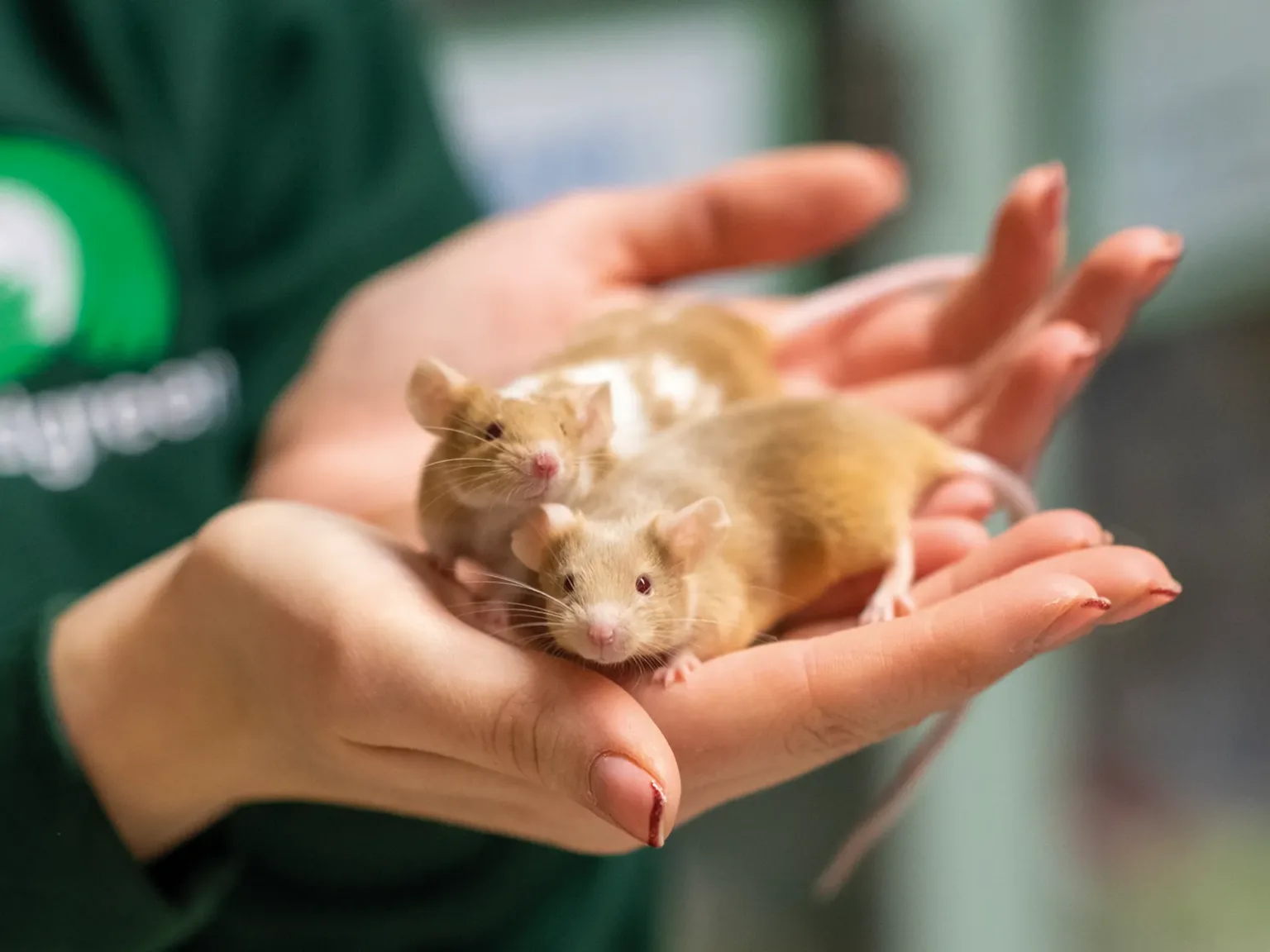
Two small, light brown and white mice rest in a person’s gently cupped hands. The person is wearing a dark green shirt, and the background is softly blurred.

Caring for mice as pets

Want to know more about caring for mice? Got questions and not sure where to start? Don’t get your tail in a spin – we’ve got you covered in this handy guide!

From accommodation to diet, you’ll learn how to look after mice in the best possible way. And you’ll have all the information you need to decide whether pet mice are right for you.

Mice are fun, busy pets who are great at climbing and love exploring their environment. They may be small, but you’d be surprised by how fascinating they are to watch!

If properly socialised, they can be very friendly and easy for the whole family to handle – the perfect little furry friend.


Contents

Pet mouse facts

  • Male name: Buck
  • Female name: Doe
  • Life expectancy: One to two years.
  • Companionship: Mice are highly social and have a complex hierarchy within their group, so should be housed as trios or groups as they would naturally live this way in the wild. Also, having more than two can help to prevent a mouse from being left alone if one passes away.
  • Accommodation: Mice need to be housed in a large cage filled with suitable enrichment to keep them interested and active.
  • Diet: These creatures are omnivores – they should be fed a well-balanced diet of mixed seeds, grains, pulses, and protein sources.
  • Health: Mice are generally quite healthy animals. Any poor health they suffer from is often linked with age – tumours, lumps and bumps are fairly common in older mice. Make sure you have a mouse savvy vet on hand in case your mice need veterinary attention.
  • Family friendly: Mice are not only very entertaining to watch, they can also become quite sociable with humans and easy to handle too! They generally have irregular sleeping patterns, meaning they’re likely to be awake when you’re home. And while mice are great for families, they’re better suited to older children because of their small, delicate size.

Back to contents

Accommodation

Although mice are very small, they’re super busy and energetic. They absolutely love to climb and explore their surroundings, forage for food and dig in their bedding. So the cage you choose will need lots of floor space for them to live their best life.
The ideal cage size for three or four mice

  • 80cm wide by 50cm deep by 35cm high
  • Bar spacing – 7-9mm (7mm is the safest option to prevent any escapees)

The ideal cage size for up to six mice

  • 100cm wide by 50cm deep by 35cm high
  • Bar spacing – 7-9mm (7mm is the safest option to prevent any escapees)
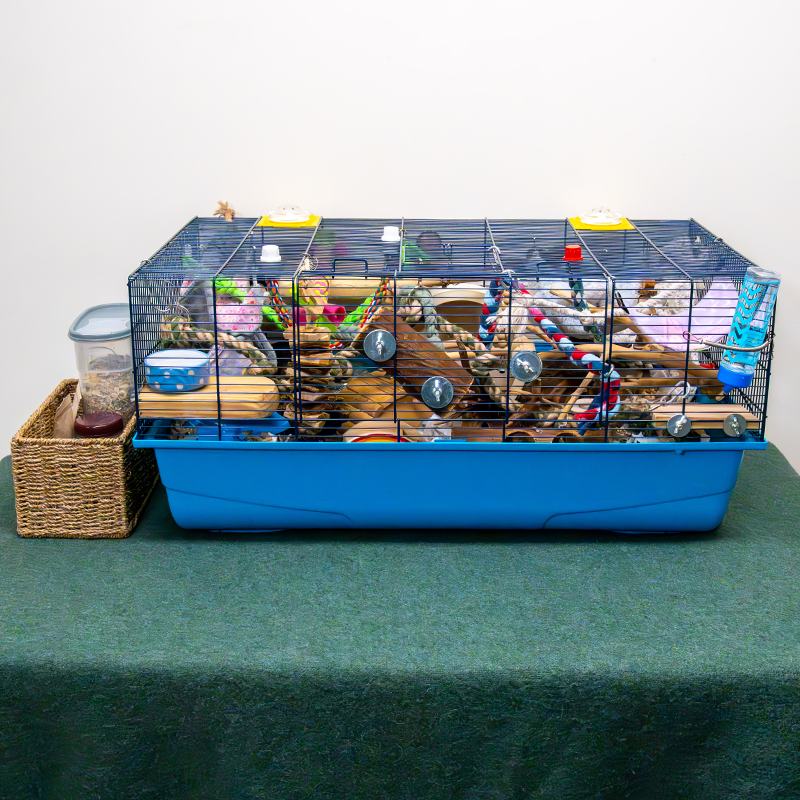
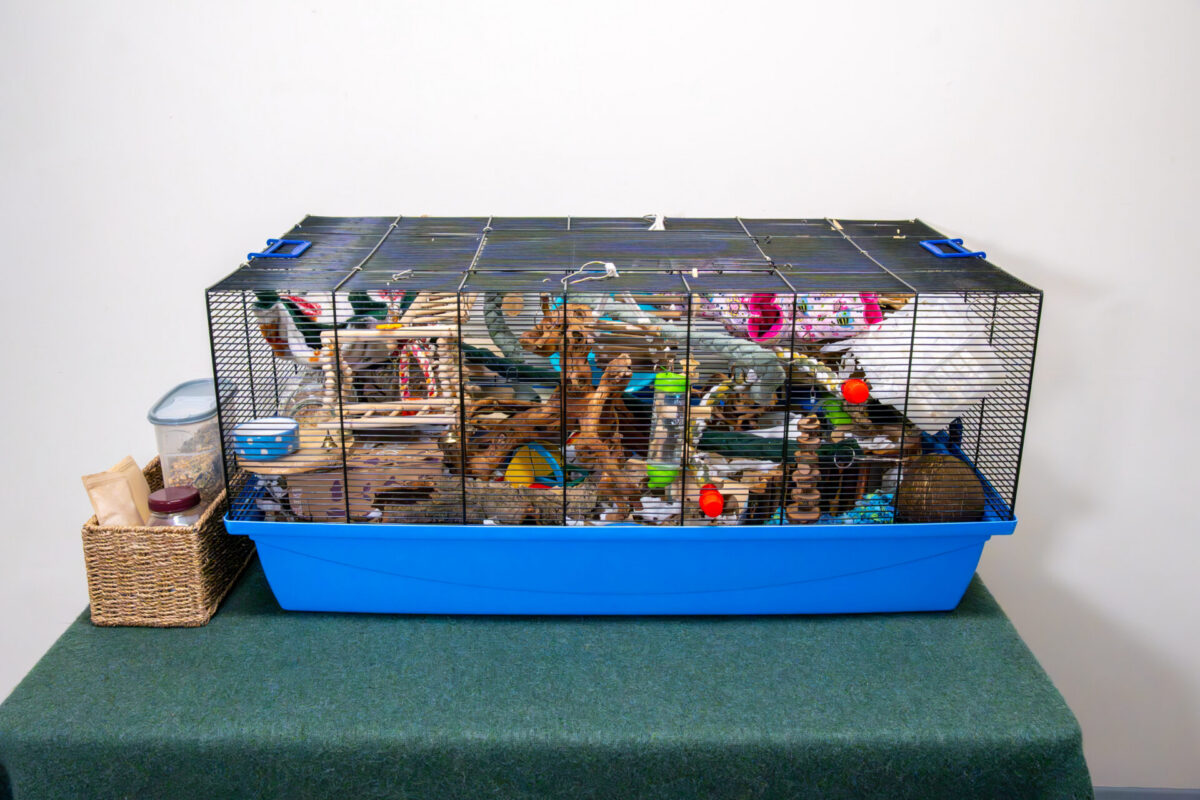
A large blue and black cage for mice filled with toys, ropes, and exercise wheels sits on a green tablecloth. Next to it is a woven basket holding supplies and a plastic container.
The ideal cage setup for pet mice, filled with toys, ropes, and exercise wheels

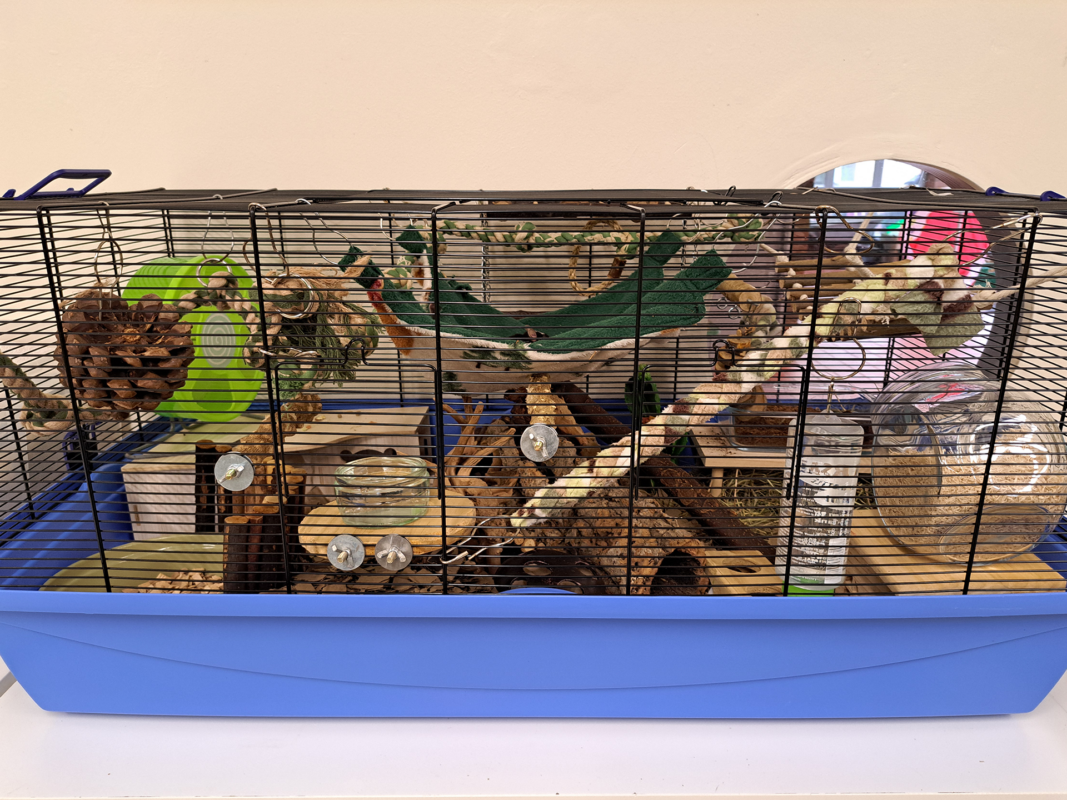
A blue and black wire small animal cage filled with various enrichment items like wooden sticks, tunnels, branches, a hammock, a water bottle, a food bowl, and a green exercise wheel, set against a plain wall.

Set up a comfortable home for your pet mice, with various enrichment items like wooden sticks, tunnels, branches, hammocks, ropes, a water bottle and water bowl and an exercise wheel.

Where to place your cage

When you’re choosing a location for your mouse cage, make sure it’s:

  • In a well-ventilated room to help prevent odours from building up.
  • Away from windows and draughts.
  • Away from direct/constant sunlight, although the room will need a natural daylight source.
  • Placed on a sturdy raised surface away from radiators, or ensure they’re switched off.
  • Safe from other pets such as cats and dogs.
  • Safe from young, unsupervised children.
  • Away from constant loud noise such as a TV or music system.
  • Within a location to ensure plenty of socialising with humans.

Back to contents

Enrichment

Mice need lots of toys and enrichment to stay happy and healthy – so make sure you provide these things in abundance. Whether it’s ropes for them to run across or items for climbing, you can get really creative with their environment – starting with our suggestions below:

Your mice will enjoy:
  • Plastic or card tunnels and tubes for running through.
  • Cardboard boxes such as shoe and cereal boxes.
  • Dig tray or box filled with organic compost or coco-coir.
  • Plastic houses and hides – these are much easier to keep clean and odour-free than wooden items.
  • Children’s toys such as mini dollhouses and early learning toys make great hiding and nesting spaces (avoid toys that have small gaps or windows which the mice could get stuck in).
  • 8″ solid upright wheel
  • Ropes and ladders, which can be purchased or homemade – even some dog tugger ropes are ideal!
  • Hammocks – these can be homemade or purchased. Find out how to make your own.
  • Apple or willow tree branches and twigs for climbing on.
A large blue and black wire cage with various colourful toys for mouse enrichment sits on a green surface. Next to the cage, there is a container of food and a woven basket filled with hamster supplies.

A large blue and black wire cage with various colourful toys for mouse enrichment.

Choosing bedding for pet mice

It’s important to use the correct bedding and substrate for your mice, otherwise it could have a negative effect on their health. Wood shavings or sawdust can be extremely harmful to your mouse’s skin and airway (see common illnesses for more detail), and can give you an allergic reaction too!

Substrate options

  • Shredded card material e.g. Ecobale, Pillow Wad Eco-Nest, Greenmile.
  • Hemp bedding such as Aubiose (non-fragranced).
  • Soft paper bedding e.g. Small Pet Select or Megazorb.
  • Aspen

Nesting/comfy bedding to place in hiding spaces

  • White, soft tissue paper bedding such as tea bag bedding.*

*Avoid cotton-wool type bedding – this can be very dangerous as it can get get tightly wrapped around their body, tail and legs.
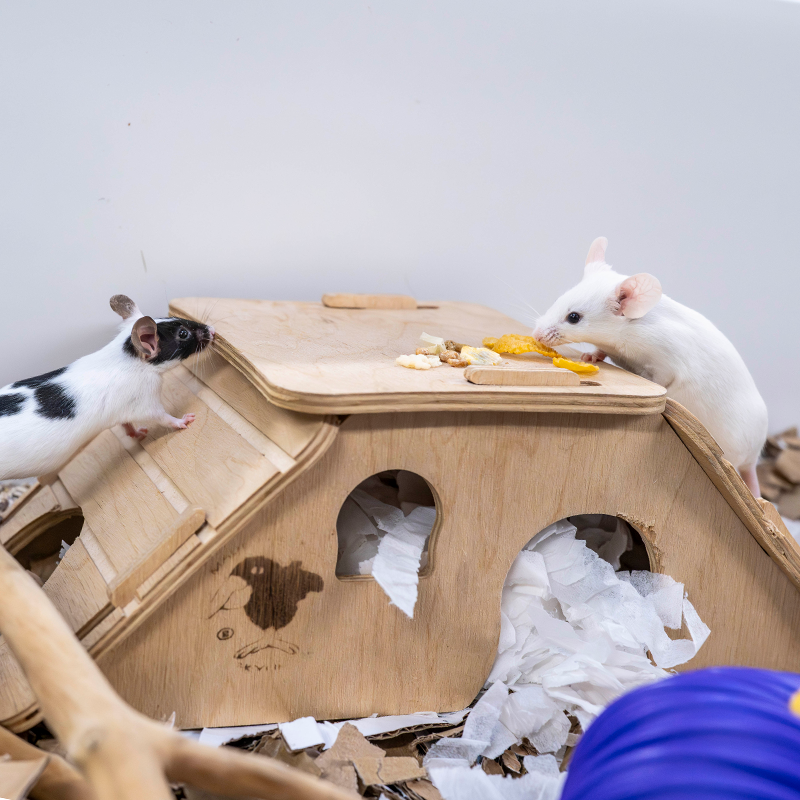
Two mice, one black and white and one white, are on a wooden structure inside a cage. They are eating food atop the structure, which has bedding for mice made of shredded paper and small tunnels underneath.

Two mice, one black and white and one white, are on a wooden structure inside a cage. They are eating food atop the structure, which has shredded card substrate and soft white tissue paper bedding for the mice

Cleaning

Like us humans, mice need a clean environment to live comfortably and safely. Keeping your mouse cage clean isn’t just about making it look nice, it’s also key to preventing serious health conditions such as respiratory problems.

Daily – spot clean

  1. Pick up poo and wet/ dirty bedding and substrate.
  2. Replace dirty bedding and substrate.
  3. Remove any fresh food (e.g. veg) they haven’t eaten from the previous day.
  4. Change their water.
  5. Check their wheel and wipe it clean with pet friendly disinfectant if needed.

Fortnightly – refresh clean

This may need to be done more often depending on the number of mice you have in the cage:

  1. Place mice in a secure plastic carrier with plenty of bedding from their cage. Move the carrier to a safe, quiet space away from where you’re cleaning.
  2. Remove toys, enrichment, bowls, and bottles and clean them with pet-friendly disinfectant.
  3. For any hammocks or ropes, clean used in your washing machine with non-bio detergent at 60°C.
  4. Remove a large handful of clean substrate from the cage and put to one side for later.
  5. Fully sweep out their cage and wipe down with pet-friendly disinfectant.
  6. Set up their enclosure with fresh substrate and bedding and place different toys in the cage for interest*
  7. Grab the handful of clean substrate which you originally put aside and spread it around their cage. This makes the cage smell like them to help them settle quickly, prevent squabbling and encourage them not to over-scent mark the clean cage, making it smell quickly again.

* Place any large and heavy items into the cage first, before the substrate.

This will help to prevent them moving or falling and potentially harming your mice, if placed on top.
Back to contents

Mouse companionship

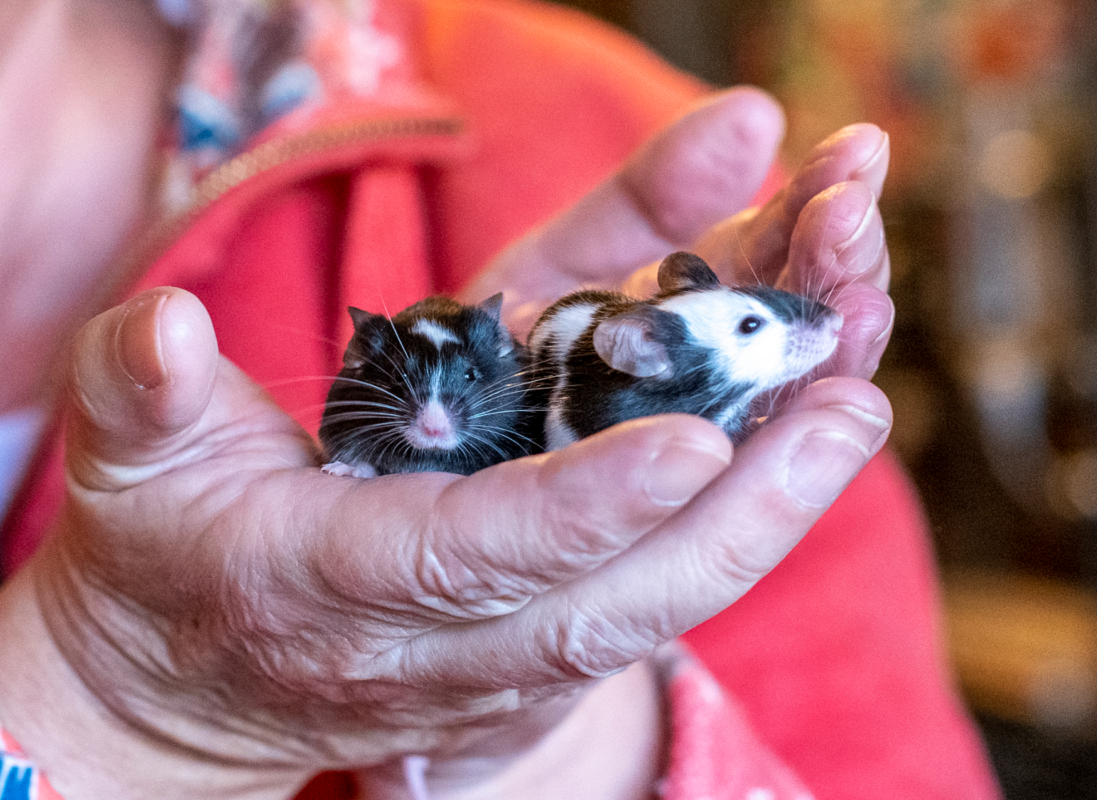
Two small mice, one black with a white spot and one white with black spots, sit in a person's cupped hands, highlighting mouse companionship. The person wears a coral-coloured jacket against a softly blurred background.

Mice are very sociable and enjoy the companionship of other mice. They’ll spend hours grooming one another and exploring their enclosure together. If you find yourself with a lone mouse of any age, contact Woodgreen or your local rescue centre to help find your mouse some companions.

How many mice?

Mice live happy lives with a little help from their friends. In the wild, they live in large colonies and spend lots of time exploring and sleeping together. It’s important that pet mice are housed in trios or groups so they can do the same. Having more than two can help to prevent a mouse from being left alone if one passes away.

Suitable combinations

  • Three or more does.
  • Three or more neutered bucks. After neutering, males can be introduced to one another. If they continue squabbling and fighting, it’s best to separate and introduce to some females.
  • Neutered buck/s with does

Back to contents

Introducing your mice to each other

If you find yourself with a lone mouse, or you’d like to increase the size of your group, please contact Woodgreen, as we may be able to help! We have an onsite mixing service where we can help you find a companion for your mouse either by mixing onsite or by giving you advice to enable you to mix them at home.

How to introduce them

To increase the chances of your mice hitting it off, always introduce them to each other in neutral territory. This could be a cage that has been thoroughly cleaned and contains neither mouse’s scent, as this reduces the chance of potential fighting.

Start any mixes early in the morning, so you have plenty of time to monitor their initial interactions.


There are a couple of different mixing methods you can try (learn more about each off these methods):
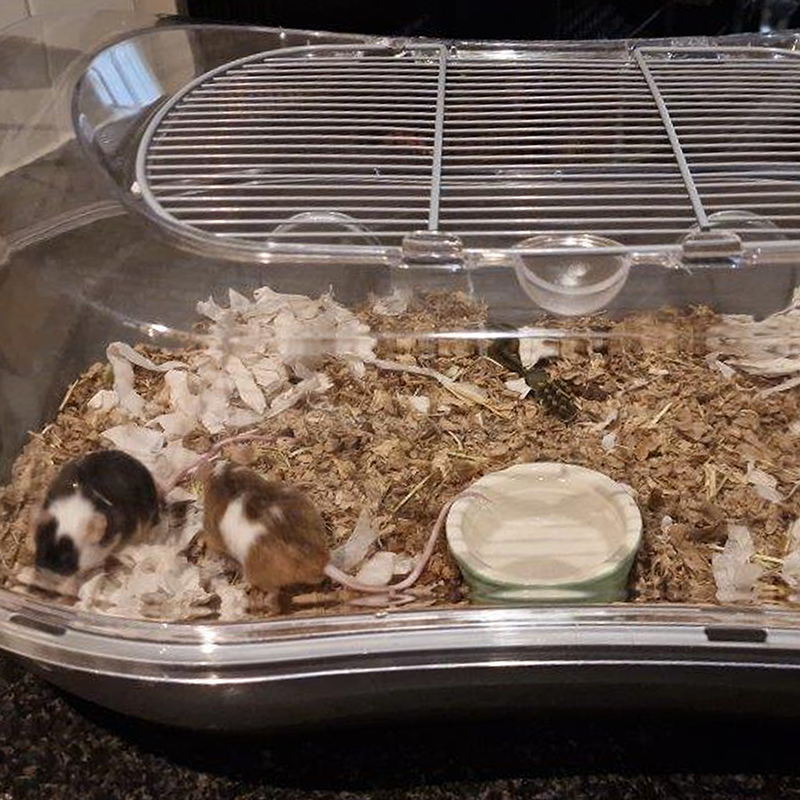
Two small mice with brown and white markings are inside a plastic enclosure with bedding, shredded paper, and a small water dish. The enclosure has a clear lid and metal bars on top.

Neutral space method

A green and white plastic pet carrier with a transparent lid sits on a light-coloured surface in front of a window with a blurred outdoor background.

Carrier or Small Space method

Feeding your mice

Mice are omnivores, so they need both protein and vegetables in their diet. There are limited good quality diets available for mice, but you can find a great mouse mix available from ratrations.co.uk. A less ideal alternative is a good rat or gerbil mix instead. Whatever you choose, make sure it has a selection of grains, seeds, pulses and a protein source such as dried meal worms.

Some owners choose to make their own food to make sure their mice get everything they need. See ‘Housemade mouse food recipe’ for a simple homemade mouse food recipe we use at Woodgreen.

How much to feed your mice

Feed your mice around 5g of dried food each per day (around one teaspoon each). Mice are foragers – they love to dig and search for food and tasty treats. So try scattering their daily allowance around their cage and hiding treats in toys or interesting items. You can also make your own toys to hide some of their food in, like this tube enrichment feeder.

Healthy treats (to be fed in moderation)

There’s always room for treats – but quality and quantity is key to keeping your mice in good shape. Avoid colourful chew sticks, mineral and salt blocks as these can in some cases be harmful. Instead, stick to healthy, natural food options, adding a variety of treats to their weekly diet:

  • Cooked or raw pasta such as macaroni and orzo. Or, break up larger pasta into smaller pieces.
  • Small pieces of fresh chopped fruit and vegetables such as strawberries, broccoli, curly kale, grapes.
  • Small amount of boiled egg.
  • Pulses.
  • Wholegrain low sugar cereal (less than 5% sugars) such as oat cheerios.
  • Fresh mealworms – one or two at a time, unless your dry food already has these included.
  • Apple wood or other fruit tree wood – to gnaw on.
  • Dog biscuits such as small whimzees broken into smaller pieces.
  • Millet seed spray for birds.

Find out what to feed your pet mice and what foods to avoid.

Water

Daily fresh water is extremely important. Although many mice prefer to drink from a bowl, bottles are also suitable and can be provided in addition. But take note that these can be tricky to keep clean, and often leak. Make sure your mice can easily reach the spout by having it close to the base of the cage, or place toys underneath that they can easily climb on to reach it.

Back to contents

Homemade mouse food recipe

If you’d like to have a go at making a healthy mix for your pet mice, below is a basic (and brilliant) recipe we use at Woodgreen. Once you’ve made your mix, store it in a suitable container with an airtight lid. Note down the date you made the mix, and aim to use it within three months.
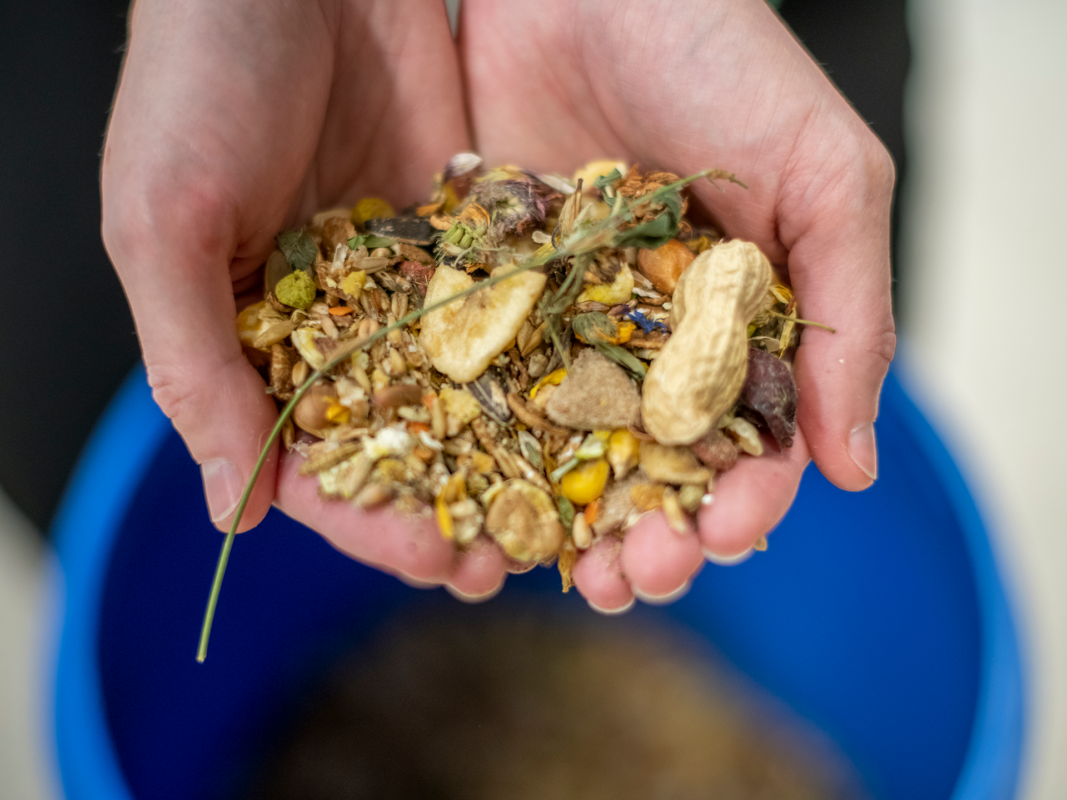
A close-up of two hands holding a mix of dried seeds, nuts, and plant pieces above a blue container. The mixture includes peanuts, maize kernels, and various grains.

You will need:

  • 9 scoops of base mix
  • 5 scoops of processed grains
  • 3 scoops of protein source
  • 2 scoops of dried herbs and vegetables
  • 1 scoop of healthy seeds

Base mix

A mixture of the following:

  • Mr Johnson’s Special ‘No Added Pellets’ Rabbit Food
  • Allen & Page Green Pea Mix for rabbits
  • Extra Select Premium Large Pea Rabbit Food
  • Dodson and Horrell Conditioning Mix

Processed grains

A mixture of at least three of the following:

  • Low sugar (less than 5% sugar) breakfast cereal e.g. Lidl/ Sainsburys Cornflakes, Aldi Wheat Biscuits, Morrisons Puffed Wheat, Oat Cheerios, Tesco/ Asda Rice Snaps, Nestle Bitesized Shredded Wheat
  • Dried egg noodles
  • Dried pasta (small pieces like macaroni or spaghetti broken up)
  • Wholegrain rice
  • Plain rice crackers
  • Plain popcorn (no added sugar, salt, oils etc)

Protein source

A mixture of the following:

  • Fish based dog kibble (no meat/animal derivatives and at least 20-25% protein)
  • Dried insects/shrimp/fish
  • Roasted soya beans
  • Lentils
  • Mealworms (only small amounts due to fat content)

Dried herbs and vegetables

  • Pets at Home Dried Vegetable Mix
  • Pets at Home Crunchy Dried Beetroot and Parsnip Mix
  • Naturals Rosewood Herbs Plus
  • Burgess Wildflower Forage
  • Burgess Luscious Leaves Forage

Healthy seeds

A mixture of the following:

  • Conditioning bird food mix
  • Wild bird seed mix
  • Parrot seed mix
  • Sunflower seeds (only small amounts due to fat content)
  • Peanuts (only small amounts due to fat content)
  • Pumpkin seeds
  • Linseed
  • Hempseed
  • Millet seed

Back to contents

Handling your mice

If you follow our advice, your mice will become very friendly and easy to handle. They’ll even enjoy coming out of their cage for an hour or more each day! But as much as you’ll want to get to know your new mice straight away, avoid handling them for a day or two to allow them to settle in.

How to pick your mice up

Mice can feel very threatened at the sight of a hand suddenly hovering above them while they’re resting. Ideally, handle them during their active periods, and…

  • Ensure they’re alert and aware of your movements. Quietly talking to them can make them aware that you are there.
  • Cup your hands under them and gently lift them towards your body, letting them sit on your hands.
  • Alternatively, place a tube/tunnel in front of the mice for them to walk into and be lifted carefully out, letting them walk out onto your hand in their own time.

Never try to pick mice up by their tail – this is very painful and can result in damage or even loss of the tail.

Free roam time

With the right things in place, your mice will love their cage environment. But they will also enjoy having extra space to run around and explore each day.

To do this safely, either:

  • Place them in a dry, empty bath (with the plug in) and lay some towels across the bottom.
  • Or, use a pop-up fabric or Correx play pen.

Place lots of toys and hiding spaces in the chosen space for them to explore. You could also sit in there (carefully!) with them. This is a great way of them getting used to you and will also provide a safe place for handling.

Never allow predators in the room whilst you are giving your mice free roam time and always supervise young children with them.

Back to contents

Transporting your mice

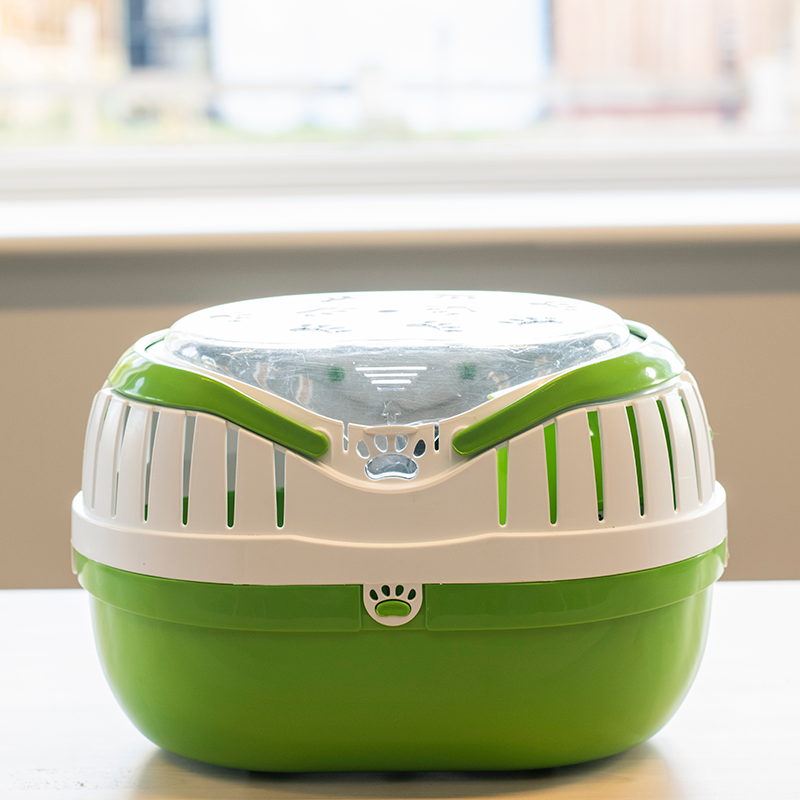
It’s vital that you always have a suitable pet carrier available in case you need to take your mice to the vet, or to use whilst you clean out their enclosure. Cardboard boxes are a big no-no, as they can quickly and easily be chewed through – leading to escapees.

Hard plastic carriers like this one are perfect for your mice to use. To keep them relaxed and happy, place some of the bedding from their cage in the base of the carrier. Also include a small amount of food scattered, and a little house or tunnel for them to hide in.
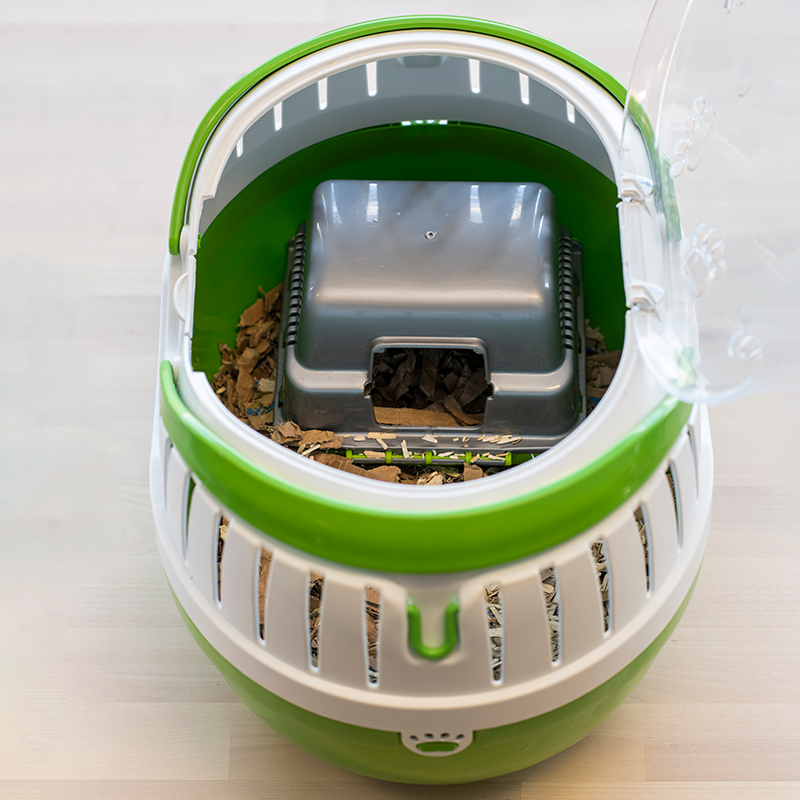
A top-down view of a green and white carrier for mice with a transparent lid, containing bedding material and a small plastic hideaway box inside.

Health checking your mice

To help keep your mice in tip-top condition, make sure you health check them weekly. Look out for changes in their behaviour every day too – they can be very good at hiding any health issues until they’re really suffering. If you have any concerns, act quickly and contact your mouse savvy vet.

Watch our video on how to health check them and what to look out for here.

Finding a vet

While it’s our aim to make you an expert in mice by the end of this guide, there’s a chance you’ll still need the expertise of a vet at some point. So make sure you find one reasonably local to you who has heaps of experience with caring for these furry creatures. Many will see cats and dogs all the time, but species such as mice will rarely be seen by most vets. These top tips can help:

  • Look for an Exotics Veterinary Practice – they may have more experience and be cheaper in the long term than other vets.
  • Talk to friends and family who own or have owned mice or rats to see if there are any vets in particular they recommend.
  • Talk to veterinary practices to find out if there are any mouse or rat savvy vets within the practice. Don’t be afraid to ask them how many they see on a weekly basis to help you decide whether they’re the right vet for you.

Back to contents

Common illnesses

Tumours

Unfortunately, mammary and intestinal tumours are fairly common in elderly mice. They can grow very quickly and will most likely be cancerous.

When you handle your mouse, always check for any unusual lumps and bumps on their body and abdomen.

Parasites and fur loss

Parasites, such as fur mites, can also be common in mice. Incorrect bedding is one of the most common causes of this, as well as stress. Signs they might have parasites include:

  • Hair loss
  • Red, irritated skin
  • Severe dandruff
  • Head tilt/ear scratching
  • Small scratches all over their body – in particular around the neck – developing into open wounds
  • Scabs on their ears and nose.

If your mice are showing any of these symptoms, take them to your vet.
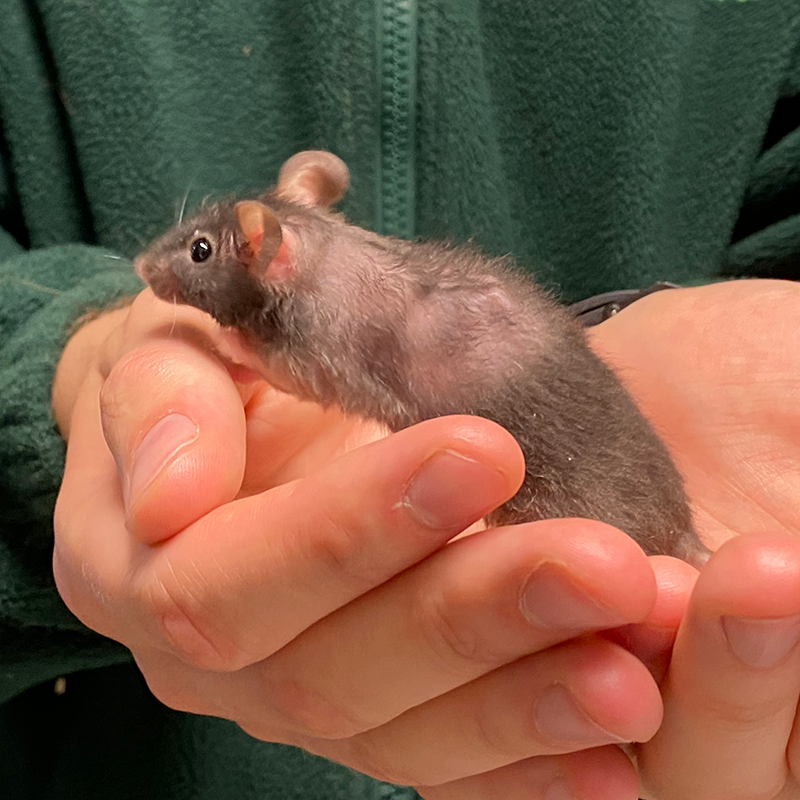
A person gently holds a mouse with fur loss, its small black and grey body showing patches of missing fur, in their hands. The person wears a dark green jumper.

A mouse with fur loss.

Breathing problems

Sadly, respiratory infections can be a common illness in mice too. These are caused by bacteria in the respiratory tract, which makes them unwell. Pre-existing respiratory conditions in mice can also be worsened by stress, poor ventilation, dusty bedding, changes in temperature, predators in the home, bullying by other mice and old age.

Along with medical support from your vet, there are lots of things you can do to help prevent and manage this illness. These include choosing suitable bedding, cleaning the cage to a high standard, washing any hammocks and bars of the cage, and having a cage that is well-ventilated.

Find out more about pet mouse health and care

Back to contents

Looking for more expert pet advice?

We cover a range of different topics on our website – and not just for your small furry friends, but cats and dogs, too!

Not only that, but we also offer phone appointments, workshops, training classes, webinars and courses.

Call 0300 303 9333 or email info@woodgreen.org.uk

How helpful was this?

Thanks for your rating

Rated this article 3 stars or less? Tell us what we could do to make it more helpful.

0
(0)
Let's do it