The initial adoption fee or buying cost is usually the cheapest part of owning a hamster, rabbits or rats. Their enclosure, food, bedding and vet care all adds up over their lifetime.
How much do hamsters, rabbits and rats cost
Three things you should know
All hamster species should live alone, whereas rabbits need to live with at least one companion of their own kind, and rats need to live as part of a trio or small group. Owning multiples affects the total cost.
Even small pets can run up significant vet bills, so it's worth budgeting a monthly amount, or looking into insurance, before bringing them home.
Our expert advice
Hamsters, rabbits and rats are often seen as low-cost, low-commitment pets, but the true cost of keeping them well goes far beyond the price of adopting or buying. Housing, food, bedding and veterinary care add up differently for each species, so it helps to budget properly before bringing one home.
The cost of keeping hamsters
Adopting or buying a hamster is very inexpensive; it’s typically the smallest part of the overall bill. The bigger costs come from setting them up properly and keeping them well for their short lifetime.
Cost breakdown for hamsters
- Initial set-up costs – £150+
- Ongoing monthly costs (bedding, food, enrichment) – around £25
Accommodation costs
Current welfare guidance recommends housing all species of hamster in an enclosure of at least 100cm wide by 50cm deep by 50cm high, along with deep bedding, an appropriately sized wheel, several hiding spaces, tunnels, seed and grass sprays. This is considerably larger than many cages sold as hamster “starter kits”, so it’s worth budgeting more than you might expect for a suitable setup, rather than assuming the cheapest cage on the shelf will do. Our handy hamster habitat guide is full of ideas on how to create the perfect environment for your tiny, furry friend.
Diet costs
A hamster’s diet is inexpensive to keep up. A good-quality hamster mix, along with occasional fresh vegetables, will only cost a few pounds a month. Bedding only needs topping up regularly rather than replacing in full each time. Find out what to feed your hamster to keep them happy and healthy.
Other costs
It’s worth setting some money aside for vet visits, since even routine check-ups add up over a hamster’s short lifespan of around two to three years. Hamsters are a solitary species and should always be housed alone. It used to be thought that some species of hamsters could live in pairs or groups, but it is now considered better welfare to house them separately to prevent fighting.
The cost of keeping rabbits
Rabbits cost considerably more to keep well than many people expect. Most of these costs apply per pair rather than for each individual rabbit. This is because rabbits are highly social animals and shouldn’t live alone.
Cost breakdown for rabbits
- Initial set-up costs – £900+
- Ongoing monthly costs – around £80 for a pair (includes vaccinations, bedding, food and toys).
Accommodation costs
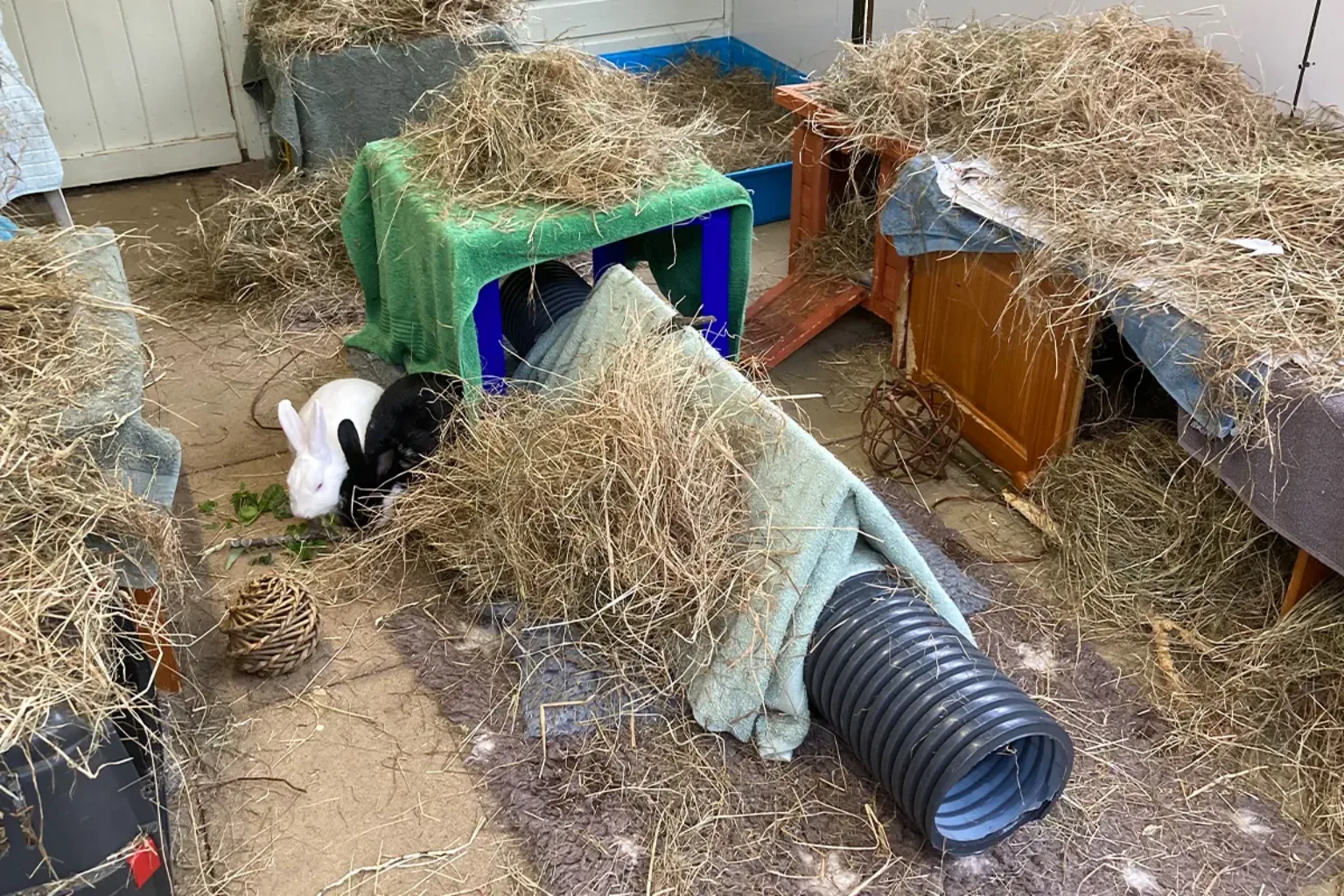
PDSA estimates the minimum setup cost, before adopting or buying the rabbits themselves, at around £900 to £1,000 for a pair of rabbits. This covers a suitably sized hutch which is at least 6ft x 2ft in size, attached to a secure run at least 3m x 2m in size, as well as bedding and enrichment. However, for a good quality, large predator-proof enclosure, you can expect to pay around £1500 or more.
Diet costs
Rabbits need constant access to hay, alongside a small amount of nuggets and fresh, rabbit-safe plants and vegetables each day. Hay makes up the majority of a healthy diet, and buying it in bulk usually works out cheaper than smaller bags over time. Find out what to feed your rabbits to keep them happy and healthy.
Other costs
Rabbits need two annual vaccinations against myxomatosis and rabbit haemorrhagic disease, along with neutering, to stay healthy and to live together safely. Once these routine health costs are added to food and bedding, ongoing monthly costs add up to roughly £70 to £80 for a pair. The PDSA estimates a pair of rabbits costs at least £7,700 to £11,000 over a typical lifetime of 7 to 10 years.
The cost of keeping rats
Rats are inexpensive to adopt or buy, but like rabbits, they’re social animals that need to live in groups, so it’s best to plan costs per group rather than per rat.
Cost breakdown for rats
- Initial set-up costs – £150+
- Ongoing monthly costs – around £35 for a trio (includes substrate, food and toys).
Accommodation costs
A large, secure cage with narrow bar spacing and solid floor is essential. Along with hammocks, perches, ropes and tubes for enrichment. This is one of the bigger upfront costs, since a cage suitable for a group of rats needs to be considerably larger than many rodent cages sold in shops. Find out more about how to make your rats feel at home.
Diet costs
Rats are omnivores and need a good-quality, complete dry mix alongside occasional fresh vegetables and a small amount of protein. Monthly food costs are modest, though it’s worth budgeting for enrichment items and bedding on top of this. Find out what pet rats eat to stay happy and healthy.
Other costs
The estimate for the lifetime cost of keeping a pair of rats at up to £3,000 in total, covering housing, bedding, enrichment and diet. This figure doesn’t include veterinary treatment for illness or injury, which is worth budgeting for separately. Pet insurance for rats can be difficult to find and expensive where it is available. Rats have a short lifespan of around two to three years, so these costs are concentrated into a relatively short period.
Should you budget for insurance?
Pet insurance for small pets is more limited than for cats and dogs, and some insurers don’t cover certain species at all. Vet treatment for a hamster, rabbit or rat can still be expensive regardless of their size, since they often need specialist small animal or exotic vet care. It’s worth asking your vet which insurers cover your pet, and setting aside a savings buffer for any costs insurance doesn’t cover.
Rehoming vs buying: what the adoption fee really covers
Rehoming a small pet from a charity such as Woodgreen usually works out cheaper overall than buying one, since the adoption fee typically includes neutering and vaccinations (depending on the species). These are all costs you would otherwise have to cover separately.
Related content
ADVICE
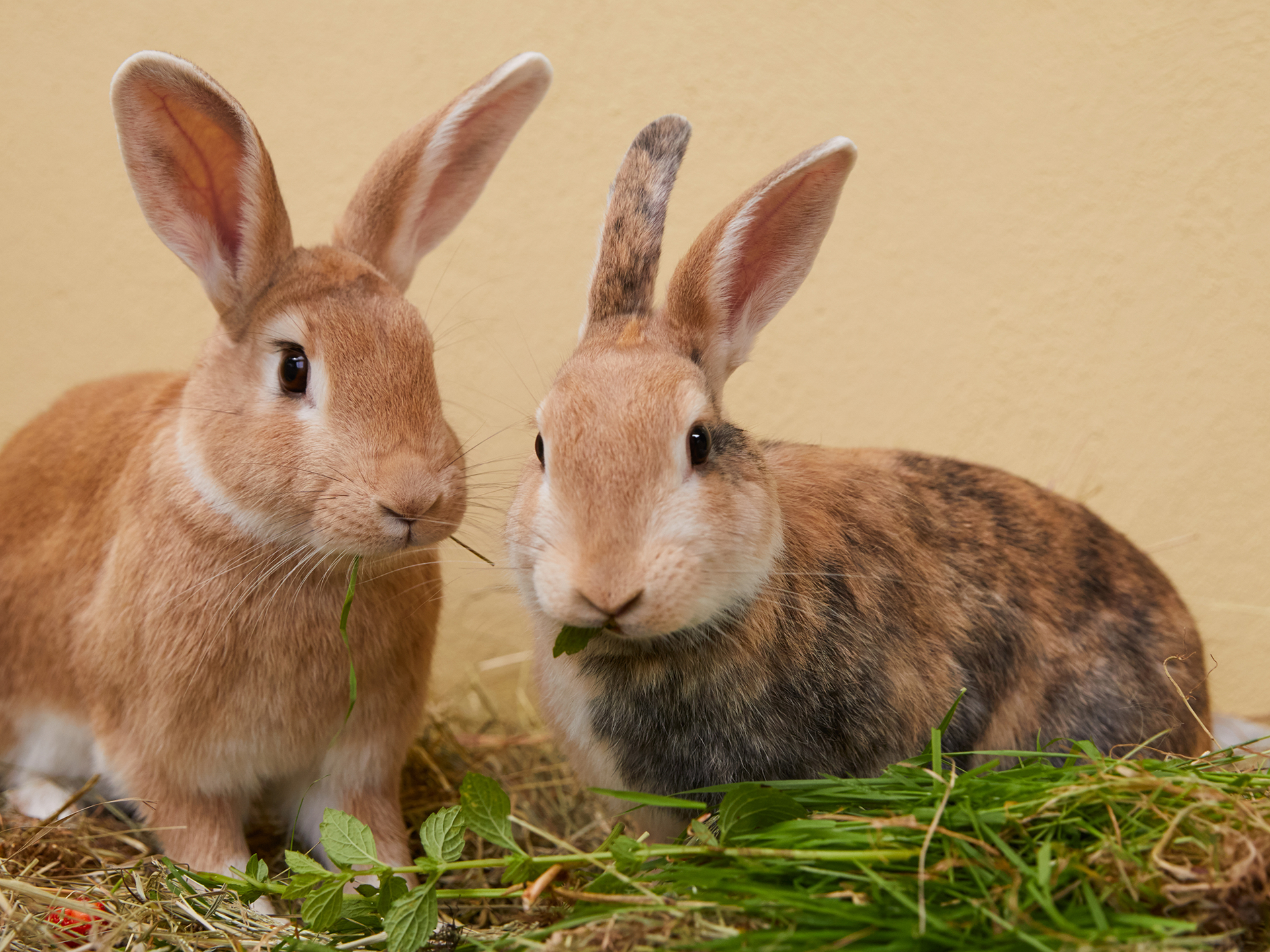
Caring for rabbits as pets
If you’re a rabbit owner, or you’re thinking about getting rabbits, we’re here to help – every step and hop along the way.
Read more about 'Caring for rabbits as pets'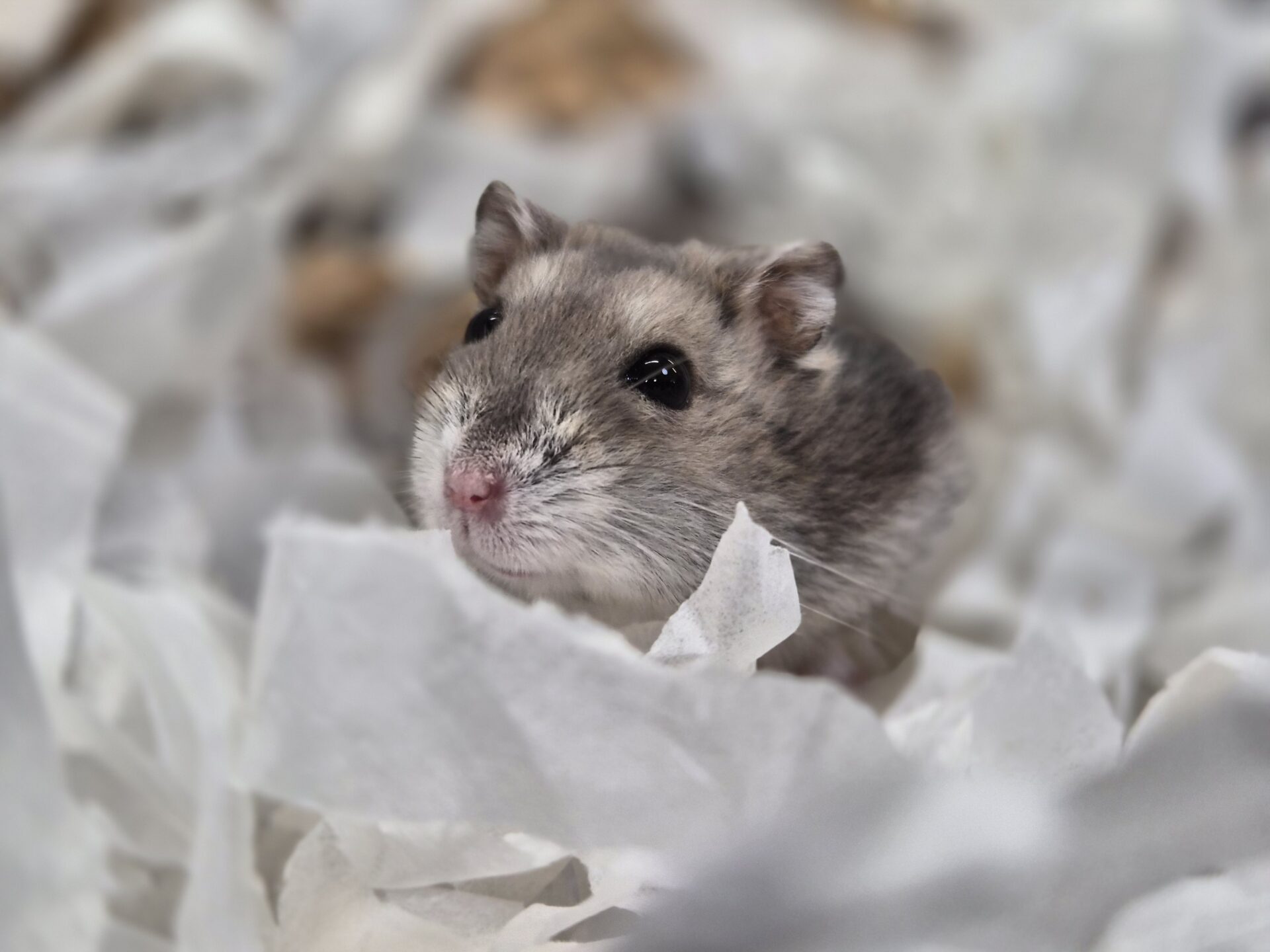
ADVICE
Caring for hamsters as pets
So, you’re thinking about getting a hamster?
Read more about 'Caring for hamsters as pets'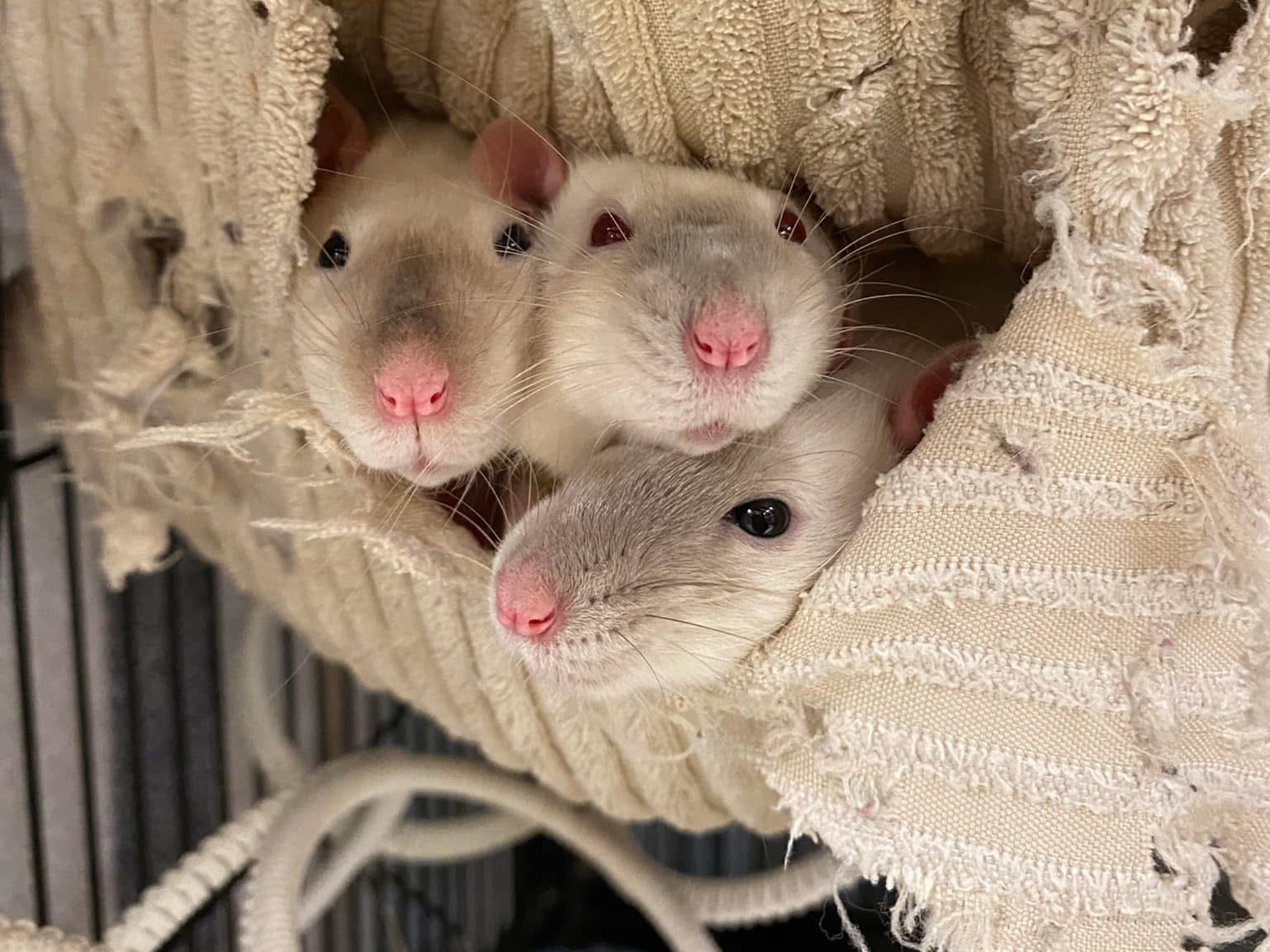
ADVICE
Caring for rats as pets
So, you’re thinking about getting some pet rats?
Read more about 'Caring for rats as pets'