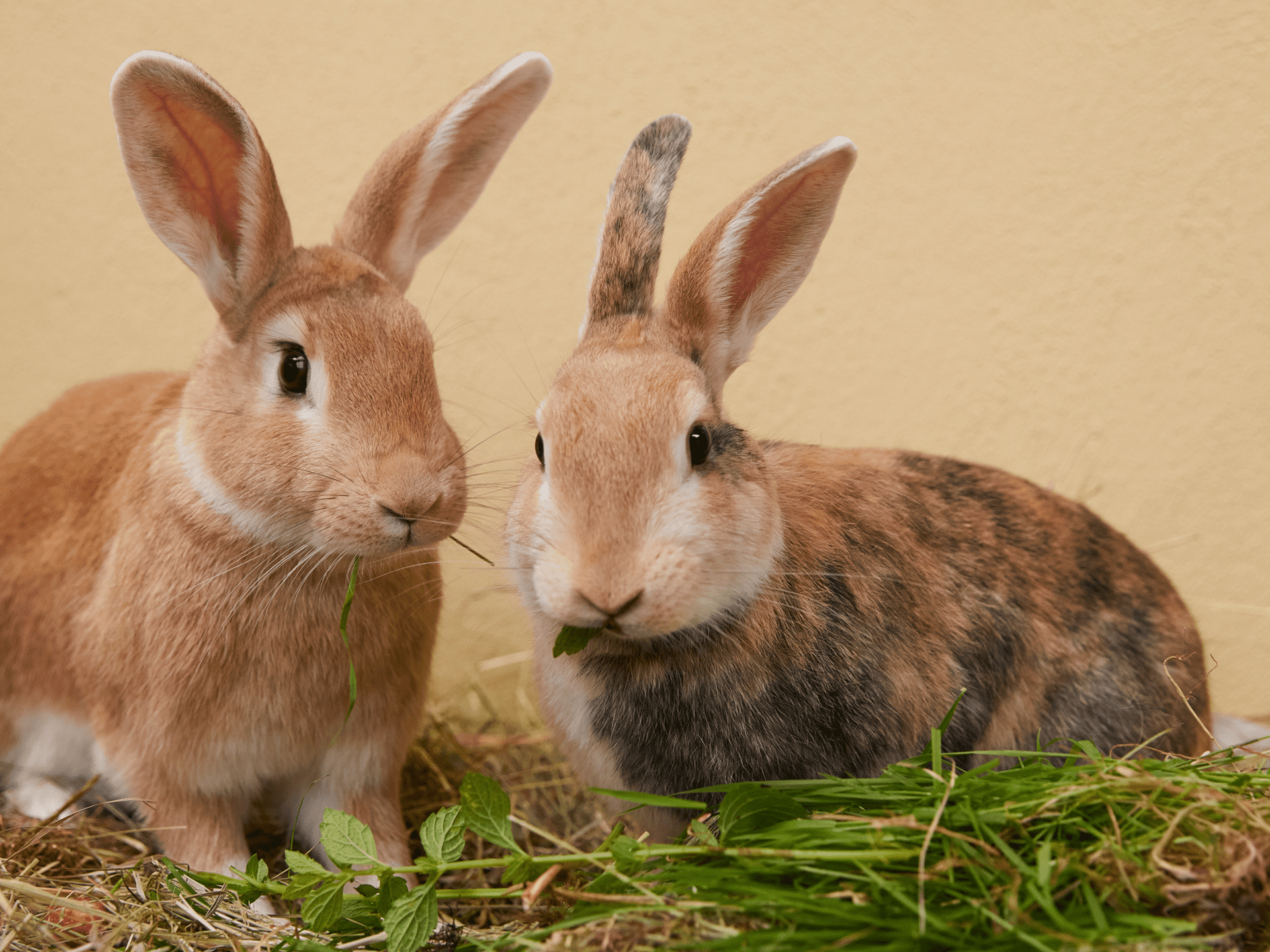
ADVICE
Caring for rabbits as pets
If you’re a rabbit owner, or you’re thinking about getting rabbits, we’re here to help – every step and hop along the way.
Read more about 'Caring for rabbits as pets'Thinking about bringing a new pet into your life is exciting, but it can also feel a little overwhelming. With so many different small pets to choose from, it’s not always clear which one will be the right fit for you and your family.
There are a few important things to think about before making that decision. Small pets are often seen as ‘easy’ to care for, needing less space, time and sometimes thought of as good first pets for children.
We’ve learned a lot more about the different small pet species and their needs – far more than we knew five years ago, and a lot of these statements could not be further from the truth!
Below you’ll find a few key things to consider to help you compare different small pets and find the right match for your home.
Think about what you want to get from your pets. Each small pet species is different in terms of how ‘handleable’ they are, how much time you’ll need to dedicate to them, whether they need time to exercise out of their main enclosure and ongoing costs of caring for them.
Consider the points below and decide what feels right for you. It’s also worth being open to other species you may not have thought about!
Despite their size, small pets can be quite costly – more than many people expect. When you factor in things like vaccinations (for rabbits), food, bedding and toys, the monthly cost for each species can look like this (not including veterinary fees for illness/injury):
Use the information below to help you compare the different small pet species and find which ones might be right for you.
If you’d like to talk through any of these species in more detail before deciding, please get in touch – we’re always happy to help.
8–12 years+
£700+
Around £80 for a pair (includes vaccinations, bedding, food and toys)
Need two vaccinations a year. Common health issues include dental disease, ear problems, gut stasis and mites.
Learn more about ideal accommodation for rabbits.
Must live in neutered pairs or groups to feel safe and happy.
Generally dislike being picked up and may kick and scratch if tried. Can find loud noises and sudden movements scary. Will enjoy a head rub and hand feeding with all four paws firmly on the ground.
6–8 years+
Outdoors £300+ Indoors £100+
Around £50 for a pair (includes bedding, food and toys)
Common health issues include dental disease, cystic ovaries in females, cystitis and bladder/kidney stones. Males will need their penis checking regularly and can develop impaction in their bottom as they get older.
153cm x 61cm single tier hutch or indoor cage plus a 183cm x 122cm predator-proof run
183cm x 61cm single tier hutch or indoor cage plus a 183cm x 122cm predator-proof run
Learn more about ideal accommodation for guinea pigs.
Must live with other guinea pigs:
Fully grown/older guinea pigs can be more relaxed about being handled. Will enjoy chin scratches and being hand fed.
2–3 years
£150+
Around £35 for a trio (includes bedding, food and toys)
Common health conditions include breathing issues, lumps, heart problems, kidney function decline in old age and parasites.
Minimum cage size of:
Minimum cage size of:
Learn more about ideal accommodation for pet rats.
Need to live in groups of three or more – same sex or if mixed sexes either males/females should be neutered.
Often enjoy being handled if they’ve been used to it from a young age. Can make great family pets. Affectionate and enjoy free roam time.
1–2 years
£130+
Around £35 for a trio (includes bedding, food and toys)
Common health problems include breathing issues, tumours and parasites.
Minimum cage size of:
Minimum cage size of:
Learn more about ideal accommodation for mice.
Must live in groups of three or more:
Enjoyed if handled from a young age and can make great family pets. Fun to watch and interact with.
1.5–3 years
£150+
Around £25 (includes bedding, food and toys)
Common health problems include wet tail, pyometra, tumours, diabetes, Cushings and parasites.
Learn more about ideal accommodation for a pet hamster.
Must live in groups of three or more:
Enjoyed if handled from a young age and can make great family pets. Fun to watch and interact with.
If you’re a rabbit owner, or you’re thinking about getting rabbits, we’re here to help – every step and hop along the way.
Read more about 'Caring for rabbits as pets'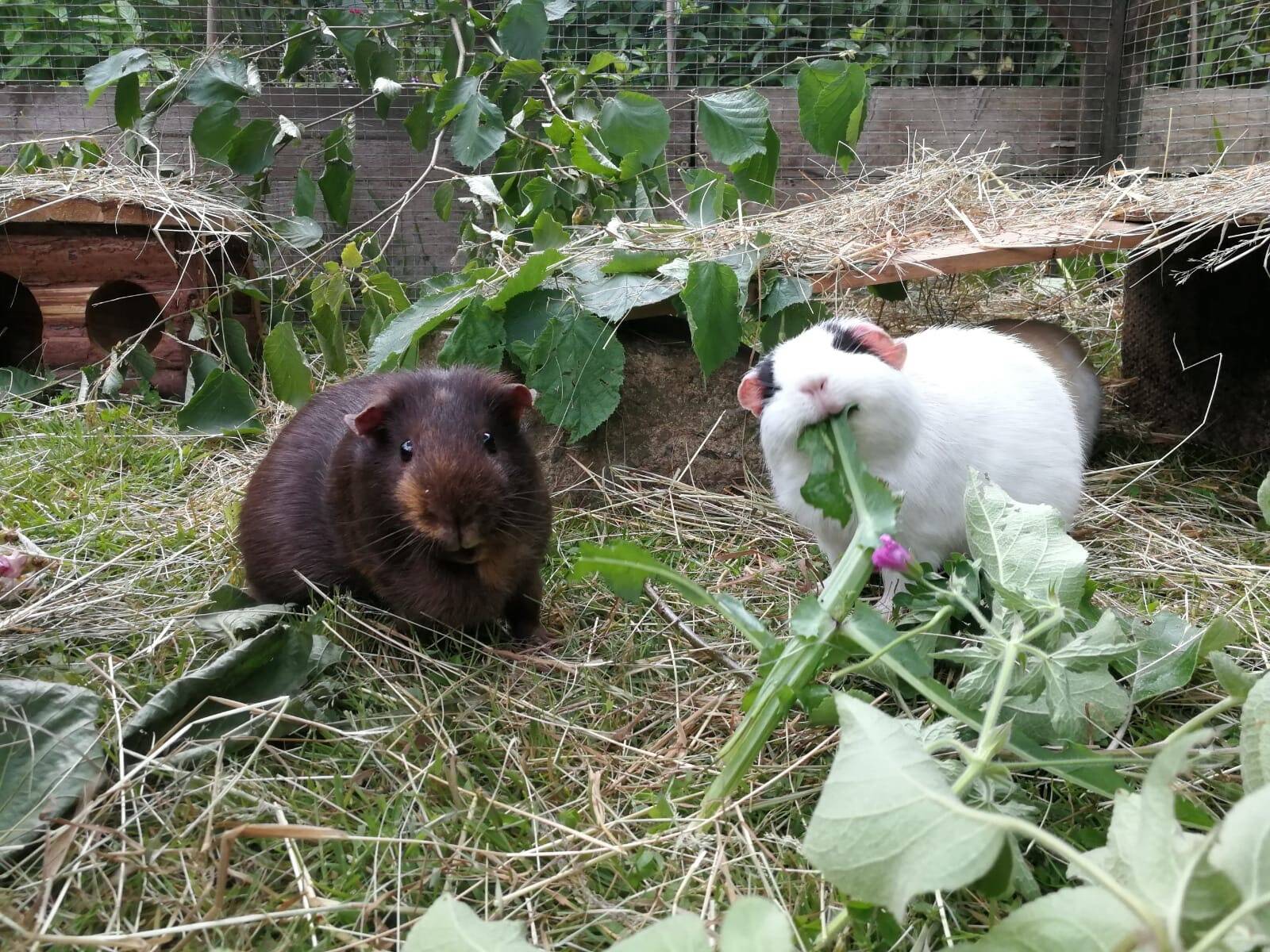
Thinking about getting a guinea pig?
Read more about 'Caring for guinea pigs as pets'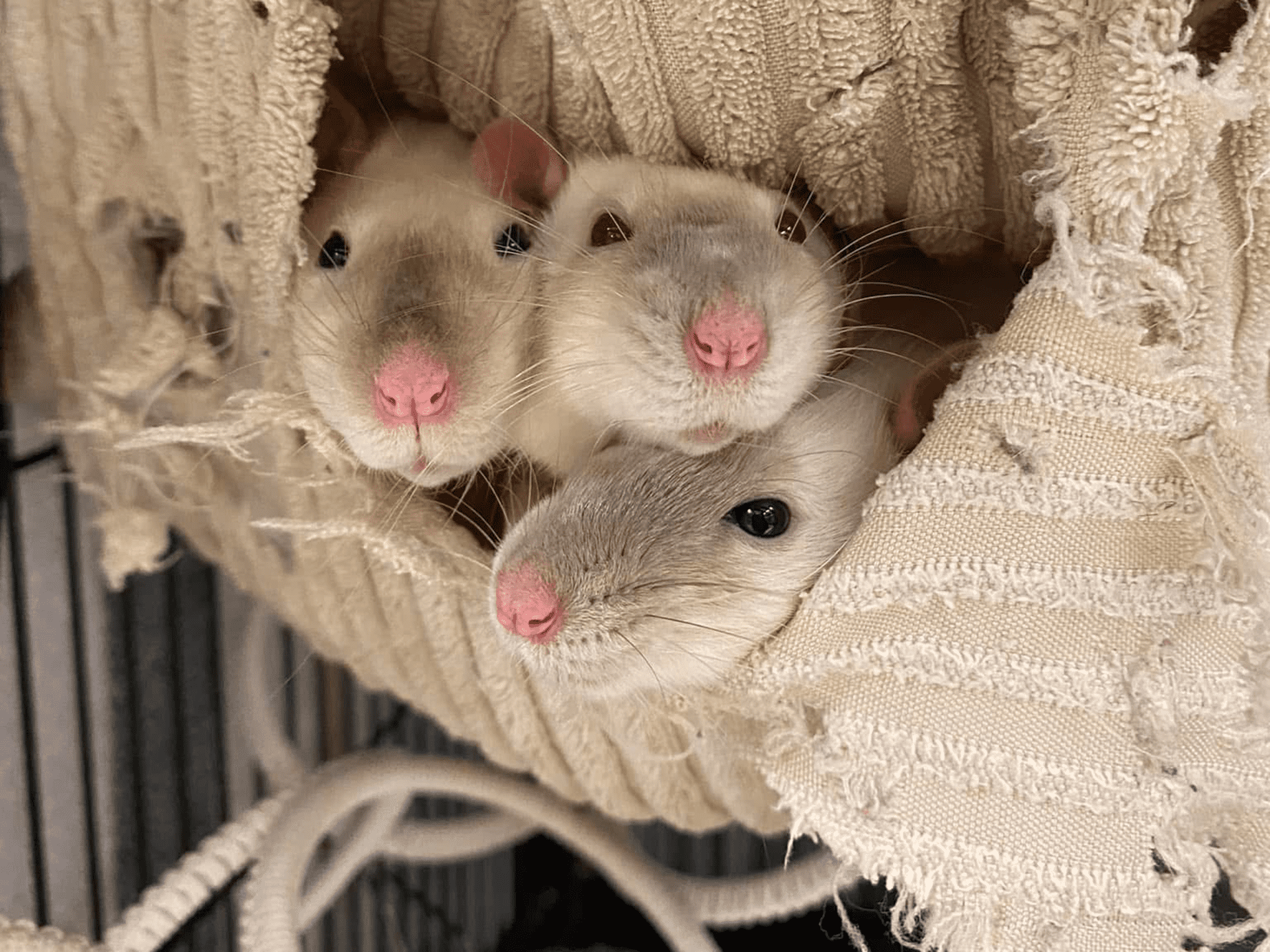
So, you’re thinking about getting some pet rats?
Read more about 'Caring for rats as pets'